Can You Speak Over the Telephone. Как вести беседу по телефону - [29]
With an effort the Duchess recovered her pose. “I will take the call. Hang up the extension.” She picked up the telephone near her. Only a close observer would have noticed that her hands were trembling.
Duchess: The Duchess of Croydon speaking.
Correspondent: Ma’am, we’ve a flash from Associated Press and there’s just been a follow-up… Pardon me. (There was a rustle of paper, then the voice resuming.) Sorry, ma’am. I’ll read this to you. “ London (AP) — Parliamentary sources here to-day name the Duke of Croydon, noted British government trouble shooter[145], as Britain’s next ambassador to Washington. Initial reaction is favourable. An official announcement is expected soon.” There’s more, ma’am. I won’t bother you with it. Why we called was to see if your husband has a statement, then with your permission we’d like to send a photographer to the hotel. Ma’am, are you still there?
Duchess: Yes. At the moment my husband has no statement, nor will he have unless and until the appointment is officially confirmed. The same applies to photography.
Correspondent (the voice sounded disappointed): We’ll run what we have[146], of course, in the next edition.
Duchess: That is your privilege.
Correspondent: Meanwhile, if there’s an official announcement we’d like to be in touch.
Duchess: Should that occur, I’m sure my husband will be glad to meet the press.
Correspondent: Then we may telephone again?
Duchess: Please do.
After lunch, as Poirot was settling himself in his square-backed armchair with his coffee at his elbow, the telephone rang.
Mrs Oliver: Monsieur Poirot?
Mr Poirot: C’est moi[147].
Mrs Oliver: Well, what are you doing? What have you done?
Mr Poirot: I am sitting in this chair. Thinking.
Mrs Oliver: Is that all?
Mr Poirot: It is the important thing. Whether I shall have success in it or not I do not know.
Mrs Oliver: But you must find that girl. She’s probably been kidnapped.
Mr Poirot: It would certainly seem so. And I have a letter here which came by the midday post from her father, urging me to come and see him and tell him what progress I have made.
Mrs Oliver: Well, what progress have you made?
Mr Poirot: At the moment none.
Mrs Oliver: Really, Monsieur Poirot, you really must take a grip on yourself[148].
Mr Poirot: You, too!
Mrs Oliver: What do you mean, me, too?
Mr Poirot: Urging me on.
Mrs Oliver: Why don’t you go down to that place in Chelsea where I was hit on the head?
Mr Poirot: And get myself hit on the head also?
Mrs Oliver: I simply don’t understand you. I gave you a clue by finding the girl in the cafe. You said so.
Mr Poirot: I know, I know.
Mrs Oliver: And then you go and lose her!
Mr Poirot: I know, I know.
Mrs Oliver: What about that woman who threw herself out of a window? Haven’t you got anything out of that?
Mr Poirot: I have made inquiries, yes.
Mrs Oliver: Well?
Mr Poirot: Nothing. The woman is one of many. They are attractive when young, they have affairs, they are passionate, they have still more affairs, they get less attractive, they are unhappy and drink too much, they think they have cancer or some fatal disease and so at last in despair and loneliness they throw themselves out of a window!
Mrs Oliver: You said her death was important — that it meant something.
Mr Poirot: It ought to have done.
Mrs Oliver: Really! (At a loss for further comment, Mrs Oliver rang off.)
Mr Clark: Mrs Henderson?
Mrs Henderson: Yes.
Mr Clark: Ma’am, my name is Ray Clark. I’m a friend of Mutt’s and Jiggs Casey’s. Jiggs gave me your phone number and told me to call when I got to town. I just missed Mutt in Washington.
Mrs Henderson: Oh, that’s too bad. Mutt got in late Monday, but he had to go right out to the base. I’m afraid he’ll be there through the weekend, too.
Mr Clark: Any way I can reach him?
Mrs Henderson (laughing): If you find out, please tell me. I don’t even know where it is.
Mr Clark: You mean you’ve never seen it?
Mrs Henderson: Well, he did show me the general direction once when we were driving over to White Sands, so at least I know my husband’s not in Alaska.
Mr Clark: Service wives have it rough[149].
Mrs Henderson: You’re not in the service? (Mrs Henderson’s voice became guarded.)
Mr Clark: Oh, sure. (Clark lied.) That’s how I know how it is. Or, rather, my wife does. They keep me travelling all the time.
Mrs Henderson: Oh. (She sounded relieved.) Well, tell me where you are stopping, and if he does get home, I’ll have him call you.
Mr Clark: Sorry. (He lied again.) I’ve got to fly to L. A. this afternoon. Just tell him Ray called. And thanks anyway, Mrs Henderson.
Gretchen[150]: Rudy?
Rudolph: Yes.
Gretchen: I called Jean at your house and she told me where you are. I hope I’m not disturbing you.
Rudolph: No, no. I’m just dawdling idly[151] in that well-known holiday spot, Dallas les Bains. Where are you anyway?
Gretchen: Los Angeles. I wouldn’t have called you, but I’m out of my mind.

В книге рассказывается история главного героя, который сталкивается с различными проблемами и препятствиями на протяжении всего своего путешествия. По пути он встречает множество второстепенных персонажей, которые играют важные роли в истории. Благодаря опыту главного героя книга исследует такие темы, как любовь, потеря, надежда и стойкость. По мере того, как главный герой преодолевает свои трудности, он усваивает ценные уроки жизни и растет как личность.
В книге рассказывается история главного героя, который сталкивается с различными проблемами и препятствиями на протяжении всего своего путешествия. По пути он встречает множество второстепенных персонажей, которые играют важные роли в истории. Благодаря опыту главного героя книга исследует такие темы, как любовь, потеря, надежда и стойкость. По мере того, как главный герой преодолевает свои трудности, он усваивает ценные уроки жизни и растет как личность.
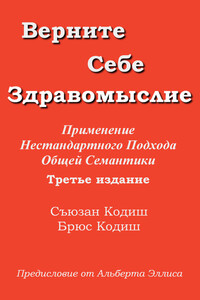
«Верните Себе Здравомыслие» – это книга, которая объясняет базовые положения общей семантики более простым, кратким и доступным языком в сравнении с 900-страничной формулировкой Альфреда Коржибски – Science and Sanity, а также даёт множество полезных и простых рекомендаций для практики и применения принципов Общей Семантики в повседневной жизни. Рекомендована к прочтению всем интересующимся данной дисциплиной, а также тем, кто желает приобрести новые навыки решения жизненных проблем. Третье издание.

Данная публикация посвящена трудному и запутанному вопросу по дешифровке таинственного памятника древней письменности — глиняного диска, покрытого с обеих сторон надписью из штампованных фигурок, расположенных по спирали. Диск был найден в 1908 г. на Крите при раскопках на месте древнего Феста. Было предпринято большое количество «чтений» этого памятника, но ни одно из них до сих пор не принято в науке, хотя литература по этому вопросу необозрима.Для специалистов по истории древнего мира, по дешифровке древних письменностей и для всех интересующихся проблемами дешифровки памятников письменности.

В книге рассказывается история главного героя, который сталкивается с различными проблемами и препятствиями на протяжении всего своего путешествия. По пути он встречает множество второстепенных персонажей, которые играют важные роли в истории. Благодаря опыту главного героя книга исследует такие темы, как любовь, потеря, надежда и стойкость. По мере того, как главный герой преодолевает свои трудности, он усваивает ценные уроки жизни и растет как личность.

В книге рассказывается история главного героя, который сталкивается с различными проблемами и препятствиями на протяжении всего своего путешествия. По пути он встречает множество второстепенных персонажей, которые играют важные роли в истории. Благодаря опыту главного героя книга исследует такие темы, как любовь, потеря, надежда и стойкость. По мере того, как главный герой преодолевает свои трудности, он усваивает ценные уроки жизни и растет как личность.