Can You Speak Over the Telephone. Как вести беседу по телефону - [31]
The girl herself doesn’t deny it. What do you think of that?
Poirot: Extremely interesting.
Sims: We only want one thing more — evidence of how the poison came into her possession. That oughtn’t to be difficult.
Poirot: But so far you haven’t been successful?
Sims: I’ve barely started. The inquest was only this morning.
Poirot: What happened at it?
Sims: Adjourned for a week.
Poirot: And the young lady — Katrina?
Sims: I’m detaining her on suspicion. Don’t want to run any risks. She might have some funny[159] friends in the country who’d try to get her out of it.
Poirot: No, I don’t think she has any friends.
Sims: Really? What makes you say that, Mr Poirot?
Poirot: It’s just an idea of mine. There were no other “items” as you call them?
Sims: Nothing that’s strictly relevant. Miss B. seems to have been monkeying a bit with her shares lately — must have dropped quite a tidy sum. It’s rather a funny business, one way and another, but I don’t see how it affects the main issue — not at present that is.
Poirot: No, perhaps you are right. Well, my best thanks to you. It was most amiable of you to ring me up.
Sims: Not at all. I’m a man of my word. I could see you were interested. Who knows you may be able to give me a helping hand before the end.
Poirot: That would give me a great pleasure. It might help you, for instance, if I could lay my hand on a friend of the girl Katrina.
Sims: I thought you said she hadn’t any friends?
Poirot: I was wrong. She has one. (Before the Inspector could ask a further question, Poirot had rung off.)
Washington. — Because medical costs are rising so fast, more and more people are diagnosing their own illnesses or, worse still, those of their friends. The government would do well to make a study of how these nonprofessional diagnoses are affecting the nation’s health picture.
The other day I had a cold. It was just like the ones you see on television. I was sneezing, coughing and looking mournfully at my wife. I called my secretary at the office and said I wouldn’t be in because I felt lousy.
“You must have one of those “eight-hour things” that’s going all around town,” she said. “You’ll feel perfectly well tomorrow.”
Eight hours seemed to be a reasonable time to have a cold, and I was looking forward to staying in bed, particularly since the Yankees and Red Sox were playing a crucial game to get into the American League playoffs.
My sister called, and I told her I had one of those “eight-hour things that’s been going all around.”
“Are you sure it’s only an “eight-hour thing”?” she asked. “It could be the “24-hour bug”[160] Harold had last week. Do you have any fever?”
“A little — maybe 100.”
“That’s the “24-hour bug” for sure. Drink lots of fluids and take aspirin, and you’ll be able to shake it off.”
I really hadn’t counted on staying in bed for 24 hours, but it’s stupid to fight a bug. My other sister called up 10 minutes later. “Edith says you’ve got a 24-hour bug.”
“I don’t know if it’s a bug or just a cold.”
“Is your nose red from blowing it?”
“Yah, sure it is. Why do you ask?”
“Then you don’t have a “24-hour bug.” You have a “48-hour virus”.”
“My secretary said all I had was an “eight-hour thing.” How come you moved it up to 48 hours?”
“The “eight-hour thing” is entirely different. You feel funny but your nose doesn’t get red when you blow it. The “24-hour bug” has all the symptoms of the “eight-hour” one, except that you cough a lot. The “48-hour virus” makes you sneeze, cough and perspire while you’re sleeping. You have to stay in bed for two days.”
“But I can’t stay in bed for two days.”
“Look,” my sister said. “If you don’t want medical advice, don’t ask me.”
I think I might have been all right except that my secretary told Healy I was home with the flu.

Книга известного историка литературы, доктора филологических наук Бориса Соколова, автора бестселлеров «Расшифрованный Достоевский» и «Расшифрованный Гоголь», рассказывает о главных тайнах легендарного романа Бориса Пастернака «Доктор Живаго», включенного в российскую школьную программу. Автор дает ответы на многие вопросы, неизменно возникающие при чтении этой великой книги, ставшей едва ли не самым знаменитым романом XX столетия. Кто стал прототипом основных героев романа? Как отразились в «Докторе Живаго» любовные истории и другие факты биографии самого Бориса Пастернака? Как преломились в романе взаимоотношения Пастернака со Сталиным и как на его страницы попал маршал Тухачевский? Как великий русский поэт получил за этот роман Нобелевскую премию по литературе и почему вынужден был от нее отказаться? Почему роман не понравился властям и как была организована травля его автора? Как трансформировалось в образах героев «Доктора Живаго» отношение Пастернака к Советской власти и Октябрьской революции 1917 года, его увлечение идеями анархизма?
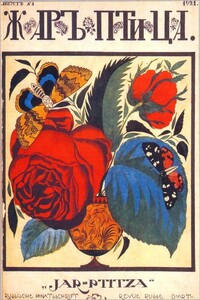
Статья Марка Алданова к столетнему юбилею Ф.М. Достоевского.

Эта книга – о роли писателей русского Монпарнаса в формировании эстетики, стиля и кода транснационального модернизма 1920–1930-х годов. Монпарнас рассматривается здесь не только как знаковый локус французской столицы, но, в первую очередь, как метафора «постапокалиптической» европейской литературы, возникшей из опыта Первой мировой войны, революционных потрясений и массовых миграций. Творчество молодых авторов русской диаспоры, как и западных писателей «потерянного поколения», стало откликом на эстетический, философский и экзистенциальный кризис, ощущение охватившей западную цивилизацию энтропии, распространение тоталитарных дискурсов, «кинематографизацию» массовой культуры, новые социальные практики современного мегаполиса.
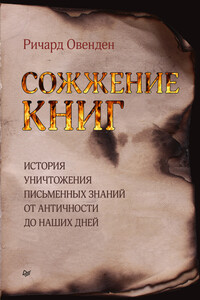
На протяжении всей своей истории люди не только создавали книги, но и уничтожали их. Полная история уничтожения письменных знаний от Античности до наших дней – в глубоком исследовании британского литературоведа и библиотекаря Ричарда Овендена.
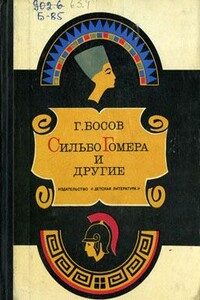
Книга о тайнах и загадках археологии, этнографии, антропологии, лингвистики состоит из двух частей: «По следам грабителей могил» (повесть о криминальной археологии) и «Сильбо Гомера и другие» (о загадочном языке свиста у некоторых народов мира).
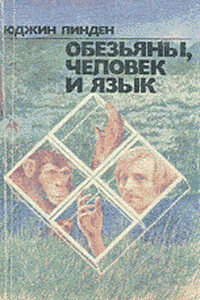
Американский популяризатор науки описывает один из наиболее интересных экспериментов в современной этологии и лингвистике – преодоление извечного барьера в общении человека с животными. Наряду с поразительными фактами обучения шимпанзе знаково-понятийному языку глухонемых автор излагает взгляды крупных лингвистов на природу языка и историю его развития.Кинга рассчитана на широкий круг читателей, но особенно она будет интересна специалистам, занимающимся проблемами коммуникации и языка.