Can You Speak Over the Telephone. Как вести беседу по телефону - [28]
The telephone went in the hall. “I expect that’s Sarah[140] now,” my mother said; and my father said: “If it’s anyone for me, say I’m out and ‘ll call them back in fifteen minutes.” “Deborah[141],” said the voice of my elder sister, when I lifted the receiver, “whatever time d’you get back these days?”
Deborah: Thursday is sometimes a bit hectic. Why?
Sarah: I’m giving a party tomorrow to celebrate — just a couple of dozen people — eight o’clock. Any hopes?
Deborah: Well… thanks. Did Erica suggest me?
Sarah: Of course not, you ape. D’you think I take notice of her suggestions anyhow?
Deborah: What is it, a dance?
Sarah: In a three-roomed flat? But of course. With the band of the Grenadier Guards.
Deborah: Seriously. Shall I know anybody?
Sarah: Well, there’s me and Arabella. Fruits of the same womb. You’ll recognise me by the red rose. Well?
Deborah: Thanks. Thank you, darling. I’d adore to come. What sort of clothes?
Sarah: Moderately smart. I’m sick of these sordid affairs where everyone comes looking as if they’ve washed up with the local sewage.
Deborah: Lovely. What time did you say?
Sarah: Eight or thereabouts. Don’t eat because we’ll eat.
Leigh[142]: Look, are you free this coming Saturday? I’m a member of the Seven Arts Club and we have a film show every Sunday evening. It’d be interesting this week -
Deborah: Sorry. I’m already booked up.
Leigh: Oh. Pity.
Deborah: Yes. Thanks all the same.
Leigh: That’s, a pity because it’s a Picasso film — it’s an old one, made ten years or more ago, but I’ve never seen it. People who’ve seen it rave about it,
Deborah: Oh… Yes, I have heard of it.
Leigh: We wouldn’t need to get there till nine. What hopes?
Deborah: No hopes… Sorry again. I must ring off now, as I left a kettle on.
Leigh: О. K… Deborah?
Deborah: Yes?
Leigh: When is your next free Sunday?
Deborah: Well… I’m not absolutely sure. Perhaps next month.
Leigh: As long as that? Anyway, I’ll ring again.
Deborah: Yes, all right. Goodbye.
Leigh: Bye.
Willie: Yes?
Jack: (from the reception desk): Captain Abbot?
Willie: Yes.
Jack: We believe there is a young lady in your room.
Willie: I believe there is. What of it?
Jack: You have a single room for the occupancy of one individual.
Willie: All right. Give me a double room. What’s the number?
Jack: I’m sorry, every room is occupied. We’re booked until November
Willie: Let’s you and I pretend this is a double room, Jack. Put it on my bill.
Jack: I’m afraid I can’t do that. Room 777 is definitely a single room for a single occupancy. I’m afraid the young lady will have to leave.
Willie: The young lady isn’t living here, Jack. She isn’t occupying anything. She’s visiting me. Anyway, she’s my wife.
Jack: Do you have a marriage certificate, Captain?
(After a pause.)
Willie: She left it home. We’ll show it to you tomorrow. I’ll have it sent down by special delivery.
Jack: Captain, young ladies are against the rules of the establishment.
Willie: Since when?
Jack: We are under new management now. We are creating a different image of a well-known respectable hotel. If the lady is not out of there in five minutes, Captain, I’m coming up.
Willie: All right, Jack.
Mr Hendricks: Amity Police, Patrolman Hendricks. Can I help you?
Mr Foote: This is Jack Foote, over on Old Mill Road. I want to report a missing person. Or at least I think she’s missing.
Mr Hendricks: Say again, sir?
Mr Foote: One of my house guests went for a swim at about one this morning. She hasn’t come back yet. Her date found her clothes on the beach.
Mr Hendricks: What was the person’s name?
Mr Foote: Christine Watkins.
Mr Hendricks: Age?
Mr Foote: I don’t know. Just a second. Say around twenty-five. Her date says that’s about right.
Mr Hendricks: Height and weight?
Mr Foote: Wait a minute. (There was a pause.) We think probably about five-seven[143], between one-twenty and one-thirty[144].
Mr Hendricks: Color of hair and eyes?
Mr Foote: Listen Officer, why do you need all this? If the woman is drowned, she’s probably going to be the only one you have — at least tonight, right? You don’t average more than one drowning around here each night, do you?
Mr Hendricks: Who said she drowned, Mr Foote? May be she went for a walk.
Mr Foote: Stark naked at one in the morning? Have you had any reports about a woman walking around naked?
Mr Hendricks: No, Mr Foote, not yet. But once the summer season starts, you never know what to expect. Color of hair and eyes?
Mr Foote: Her hair is… oh, dirty blond, I guess. Sandy, I don’t know what color her eyes are. I’ll have to ask her date. No, he says he doesn’t know either. Let’s say hazel.
Mr Hendricks: Okay, Mr Foote. We’ll get on it. As soon as we find out anything, we’ll contact you.
There was a heavy silence in the elegant, spacious room. It was broken abruptly by the jangle of the telephone. They faced each other, neither attempting to answer. The muscles of the Duke’s face jerked spasmodically. The bell sounded again, then stopped. Through intervening doors they heard the voice of the secretary indistinctly, answering on an extension. A moment later the secretary knocked and came in diffidently. He glanced towards the Duke. “Your Grace, it’s one of the local newspapers. They say that they have had” — he hesitated at an unfamiliar term — “a flash bulletin which appears to concern you.”

Книга известного историка литературы, доктора филологических наук Бориса Соколова, автора бестселлеров «Расшифрованный Достоевский» и «Расшифрованный Гоголь», рассказывает о главных тайнах легендарного романа Бориса Пастернака «Доктор Живаго», включенного в российскую школьную программу. Автор дает ответы на многие вопросы, неизменно возникающие при чтении этой великой книги, ставшей едва ли не самым знаменитым романом XX столетия. Кто стал прототипом основных героев романа? Как отразились в «Докторе Живаго» любовные истории и другие факты биографии самого Бориса Пастернака? Как преломились в романе взаимоотношения Пастернака со Сталиным и как на его страницы попал маршал Тухачевский? Как великий русский поэт получил за этот роман Нобелевскую премию по литературе и почему вынужден был от нее отказаться? Почему роман не понравился властям и как была организована травля его автора? Как трансформировалось в образах героев «Доктора Живаго» отношение Пастернака к Советской власти и Октябрьской революции 1917 года, его увлечение идеями анархизма?
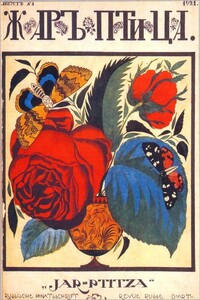
Статья Марка Алданова к столетнему юбилею Ф.М. Достоевского.

Эта книга – о роли писателей русского Монпарнаса в формировании эстетики, стиля и кода транснационального модернизма 1920–1930-х годов. Монпарнас рассматривается здесь не только как знаковый локус французской столицы, но, в первую очередь, как метафора «постапокалиптической» европейской литературы, возникшей из опыта Первой мировой войны, революционных потрясений и массовых миграций. Творчество молодых авторов русской диаспоры, как и западных писателей «потерянного поколения», стало откликом на эстетический, философский и экзистенциальный кризис, ощущение охватившей западную цивилизацию энтропии, распространение тоталитарных дискурсов, «кинематографизацию» массовой культуры, новые социальные практики современного мегаполиса.
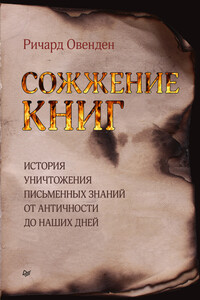
На протяжении всей своей истории люди не только создавали книги, но и уничтожали их. Полная история уничтожения письменных знаний от Античности до наших дней – в глубоком исследовании британского литературоведа и библиотекаря Ричарда Овендена.
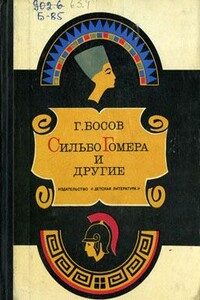
Книга о тайнах и загадках археологии, этнографии, антропологии, лингвистики состоит из двух частей: «По следам грабителей могил» (повесть о криминальной археологии) и «Сильбо Гомера и другие» (о загадочном языке свиста у некоторых народов мира).

Американский популяризатор науки описывает один из наиболее интересных экспериментов в современной этологии и лингвистике – преодоление извечного барьера в общении человека с животными. Наряду с поразительными фактами обучения шимпанзе знаково-понятийному языку глухонемых автор излагает взгляды крупных лингвистов на природу языка и историю его развития.Кинга рассчитана на широкий круг читателей, но особенно она будет интересна специалистам, занимающимся проблемами коммуникации и языка.