Английский для умных - [34]
22) He can’t have done this task yesterday
23) They can’t be playing in the yard now, it’s late
Глава 11
Упражнение 1
1) You should have done this before
2) She might not have been at home, she would have answered the phone
3) You should have bought a fire alarm, the fire would not have started then
4) You should have warned me about this in advance
5) They might have discussed this yesterday
6) You should have called me yesterday
7) You should have gone by bike, you wouldn’t have got stuck in a traffic jam
8) I wouldn’t have been able to so this without your help
9) Our neighbors might have gone away, I didn’t hear from them for a long time
10) I might have left my phone in a café
11) They might not have known about the meeting yesterday
12) You should have dressed up warmer, you would not have caught a cold
13) She might have done this job yesterday
Глава 12
Упражнение 1
1) You can’t come into this room
2) You don’t have to come to this conference
3) You can’t leave the table until you finish eating
4) You don’t have to do this today
5) You can’t just leave like that
6) I didn’t have to wake up early yesterday
7) You can’t act like that
8) I wasn’t allowed to read this letter / I can’t have read this letter
9) You weren’t allowed to park here
10) I can’t be late for this meeting
11) You can’t eat it, you are allergic
12) You shouldn’t have done this
13) I cant’ walk without a hat
14) You didn’t have to shout like that
15) You can’t enter this room
16) I cant forget about this
17) You can’t tell anybody about this
18) You weren’t allowed to miss yesterday’s lecture
19) I can’t be late for this meeting
20) I didn’t have to buy bread yesterday, we have enough bread
21) You can’t refuse this offer
22) You can’t speak on your mobile here
23) It was raining yesterday, and I didn’t have to water the flowers
Глава 13
Упражнение 1
1) You should call Petrov one more time. If you had gone through to him, he would have come one hour earlier and we would not have waited
2) Could you swim when you were 10?
3) Your friend should have gone to the doctor. If he had gone through the treatment course, he would be healthy already
4) We weren’t able to come to the meeting on time because our train was delayed
5) He might have tried to prove her that he was right, but he wasn’t able to
6) My grandmother could speak five languages
7) She is only three, but she can read already
8) The delegation can come any minute
9) We have a lot of work to do tomorrow. You can’t be late
10) Your sun must be studying for five hours in a row. You should make him go for a walk. He might have a headache if he keeps working without rest
11) The museum is free. You do not have to pay to get in
12) If he had been told, he would have been here already and contacted you
13) He mihgt have not known about the meeting. He would have come
14) You should not have raised this question at the meeting
15) You should work more on your pronounciation.
16) We mustn’t forget to close all the windows before we go out
17) We can’t miss this train, otherwise we will be late
18) She might have been at this concert, but I didn’t see her
19) I should not have eaten so many sweets at that party
20) He shouldn’t be home at this time. He must be at work
21) You shouldn’t have told her about this. It would have been better to keep quiet.
22) He must not have time to read this book or he couldn’t find it
23) He wanted to warn you that you might wait for a couple of days before he will be able to see you. You should think carefully about what you are going to talk about
24) I’m sorry, I should not have got angry and shouted like that
25) You have to meet all the colleagues. It is important to make a good first impression
26) Professor felt sorry that he didn’t asked who had recommended him. It might have been someone from his colleagues
27) She had to come half an hour ago. She can’t have forgotten about this concert, it’s not like her at all
28) Our vacation could not have been better
29) He could read when he was five
30) He was able to do this task faster than everyone else
31) He could play the horn and the guitar
32) She was able to write an essay better than everyone else
33) I could have gone to Oxford, but I chose Harvard
34) He could swim faster than everybody else in his class
35) She could have moved to another country, but she did not do this
36) They could have bought a house here, but they did not do that
37) He was able to persuade him to stay
38) You could have called me to make me stay
39) She wasn’t able to find the right size in the shop
40) They could have helped me instead of just sit here
41) I would not have been able to manage without you
42) They didn’t have the map, but they managed to find the way anyway
43) She could have got on the train that came earlier
44) He can’t have seen you
45) It was so dark that he couldn’t see anything
46) You could have broken your neck, jumping from such height
47) I could make more money as an accountant, but its too boring for me
48) I must wake up earlier in the morning
49) I had to speak with her yesterday
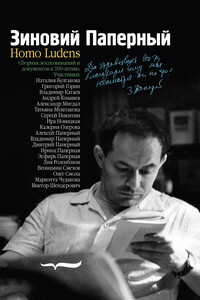
Сборник посвящен Зиновию Паперному (1919–1996), известному литературоведу, автору популярных книг о В. Маяковском, А. Чехове, М. Светлове. Литературной Москве 1950-70-х годов он был известен скорее как автор пародий, сатирических стихов и песен, распространяемых в самиздате. Уникальное чувство юмора делало Паперного желанным гостем дружеских застолий, где его точные и язвительные остроты создавали атмосферу свободомыслия. Это же чувство юмора в конце концов привело к конфликту с властью, он был исключен из партии, и ему грозило увольнение с работы, к счастью, не состоявшееся – эта история подробно рассказана в комментариях его сына.

В монографии рассматриваются рецепции буддизма в русской литературе конца XIX – начала XX в. – отражение в ней буддийских идей, мотивов, реминисценций. Выбор писателей и поэтов для данного анализа определен тем, насколько ярко выражены эти рецепции в их творчестве, связаны с его общей канвой, художественными концепциями, миропониманием. В данном ракурсе анализируется творчество Л. Н. Толстого, И. А. Бунина, К. Д. Бальмонта, Д. С. Мамина-Сибиряка, И. Ф. Анненского, М. А. Волошина, В. Хлебникова. Книга адресована историкам и философам культуры, религиоведам, культурологам, филологам.
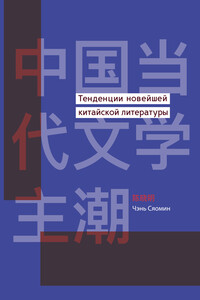
В книге подробно анализируется процесс становления новейшей китайской литературы, а также развития ее направлений и жанров – от «ста школ» и «культурной революции» до неореализма и феминистского творчества. Значительное внимание Чэнь Сяомин уделяет проблемам периодизации, связи литературы и исторического процесса, а также рассуждениям о сути самого термина «новейшая литература» и разграничении между ней и литературой «современной». Эти и другие вопросы рассматриваются автором на примере наиболее выдающихся произведений, авторов и школ второй половины XX века.
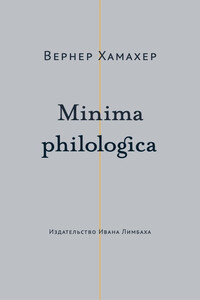
Вернер Хамахер (1948–2017) – один из известнейших философов и филологов Германии, основатель Института сравнительного литературоведения в Университете имени Гете во Франкфурте-на-Майне. Его часто относят к кругу таких мыслителей, как Жак Деррида, Жан-Люк Нанси и Джорджо Агамбен. Вернер Хамахер – самый значимый постструктуралистский философ, когда-либо писавший по-немецки. Кроме того, он – формообразующий автор в американской и немецкой германистике и философии культуры; ему принадлежат широко известные и проницательные комментарии к текстам Вальтера Беньямина и влиятельные работы о Канте, Гегеле, Клейсте, Целане и других.

Ирина Левонтина – известный ученый-лингвист, ведущий научный сотрудник Института русского языка им. В. В. Виноградова РАН, автор словарей и блестящих статей, популяризатор лингвистики, специалист по судебной лингвистической экспертизе, колумнист газеты «Троицкий вариант – Наука». А еще она вот уже 20 лет пишет веселые и яркие эссе о переменах в русском языке, о новых словах и необычных грамматических конструкциях, о речи представителей разных поколений и социальных слоев, о проговорках политиков и рекламных «перлах».

Эта книга – не очередной учебник английского языка, а подробное руководство, которое доступным языком объясняет начинающему, как выучить английский язык. Вы узнаете, как все подходы к изучению языка можно выразить в одной формуле, что такое трудный и легкий способы учить язык, почему ваш английский не может быть «нулевым» и многое другое. Специально для книги автор создал сайт-приложение Langformula.ru с обзорами обучающих программ, словарем с 3000 английских слов и другими полезными материалами.