Английский для умных - [33]
8) They can’t have agreed on everything without me
9) She can’t have really agreed to it
10) He can’t have finished everything yesterday
11) This building can’t be closed
12) They can’t have been late for their plane yesterday
13) They can’t have come on time yesterday
14) It can’t be the truth
Глава 9
Упражнение 1
1) When I was a child, I could run faster than anybody
2) She wasn’t able to explain her point of view
3) I haven’t been able to slept well recently
4) She can’t be in the office now, she doesn’t answer the phone
5) She can’t have been in the office yesterday, she was ill
6) When I broke my leg, I couldn’t walk well
7) She can’t have liked yesterday’s concert
8) He can’t be busy now
9) They can’t have worked abroad last year
10) The movie theatre can’t be open now
11) She can’t like this meal
12) I wasn’t able to come to their party
13) I wasn’t able to watch this film till the end
14) He wasn’t able to pass his exam from the first attempt / from the first time
15) He can’t have pass his exam, he isn’t preparing
16) You can’t have seen yesterday, she wasn’t in the city
17) I haven’t been able to find time to finish this work over the last several days
18) I haven’t been able to come to the lesson recently because of my illness
19) I haven’t been able to find my watch all day
20) Because of my illness I haven’t been able to eat anything greasy this week
21) I haven’t been able to go on the internet because my internet went off
22) My dog has lost its appetite and hasn’t been able to eat for the last several days
23) He can’t have been hungry yesterday
24) He can’t have been at that meeting, he was on a business trip
Упражнение 2
1) He can’t be busy now
2) He can’t play the piano
3) He can’t have come to the meeting yesterday
4) I haven’t been able to go to the gym recently because of my illness
5) We can’t go to this part of the building
6) She won’t be able to help you
7) He broke his leg and wasn’t able to walk for a long time
8) She can’t be at home, she doesn’t answer the phone
9) We haven’t been able to keep the sales up to a usual level this month
10) He wasn’t able to explain what was the essence of the problem
11) They can’t have been invited to the party yesterday
12) We haven’t been able to contact them for a long time
13) We forgot the key so we weren’t able to enter the building
14) She can’t have been at school yesterday, I would have meet her
15) It can’t be mister Johns
16) He won’t be able to fix this computer
17) She couldn’t sing well and she wasn’t admitted to the choir
18) We can’t be late
19) I haven’t been able to finish my report recently
20) The concert can’t have been cancelled yesterday
21) He can’t have come to the meeting yesterday
22) I haven’t been able to focus on my studies this semester
23) They can’t have agreed on everything without me
24) He wasn’t able to pass his exam
25) She can’t have really agreed to that
26) He can’t have finished everything yesterday
27) I haven’t been able to get my things out of the laundry this week
28) He wasn’t able to persuade them that he was right
29) This building can’t be closed
30) They can’t have been late for their plane yesterday
31) They can’t have come on time yesterday
32) I haven’t been able to find the necessary type of tea recently
33) She couldn’t swim before she was five
34) He won’t be able to come to this meeting tomorrow
35) It can’t be the truth
Глава 10
Упражнение 1
1) I must finish all my things to do by the evening/ have to?
2) I had to meet my sister at the airport yesterday
3) He must be in the office now
4) He must have been ill and didn’t come
5) She must be at home, there is a light
6) She had to finish everything yesterday
7) She must have not known about this meeting yesterday
8) They must be at work now
9) This plane must have been delayed yesterday
10) I had to wake up early last weekend
11) I have to tell my colleagues about this/I must tell my colleagues about this?
12) You must watch this film/ you have to watch this film?
13) It must be our new director
14) He must have been appointed yesterday
15) He must be studying now
16) I have to read these books / I must?
17) I had to answer all the questions
18) They must have prepared for the test well
19) She must have forgotten about this
20) You have to call me/ you must call me
21) I had to solve this issue
Упражнение 2
1) They must be working abroad
2) They can’t be working abroad
3) They must have worked abroad
4) They might have worked abroad
5) They can’t have worked abroad
6) They must be at work
7) He must have been at work
8) He might have been at work
9) He might be at work
10) He can’t be at work
11) It could have been worse
12) May I come in?
13) Children may take books at the library
14) I might have left this umbrella on a bus
15) He might be writing an article now
16) He was upset yesterday, he might have got a bad mark
17) They must have sold this problem yesterday
18) We had to cancel our meeting yesterday
19) He must be reading now
20) John can’t have woken up at sic o’clock this morning
21) It can’t be Kate/ it can’t have been Kate (если в прошлом)

В монографии рассматриваются рецепции буддизма в русской литературе конца XIX – начала XX в. – отражение в ней буддийских идей, мотивов, реминисценций. Выбор писателей и поэтов для данного анализа определен тем, насколько ярко выражены эти рецепции в их творчестве, связаны с его общей канвой, художественными концепциями, миропониманием. В данном ракурсе анализируется творчество Л. Н. Толстого, И. А. Бунина, К. Д. Бальмонта, Д. С. Мамина-Сибиряка, И. Ф. Анненского, М. А. Волошина, В. Хлебникова. Книга адресована историкам и философам культуры, религиоведам, культурологам, филологам.

В книге подробно анализируется процесс становления новейшей китайской литературы, а также развития ее направлений и жанров – от «ста школ» и «культурной революции» до неореализма и феминистского творчества. Значительное внимание Чэнь Сяомин уделяет проблемам периодизации, связи литературы и исторического процесса, а также рассуждениям о сути самого термина «новейшая литература» и разграничении между ней и литературой «современной». Эти и другие вопросы рассматриваются автором на примере наиболее выдающихся произведений, авторов и школ второй половины XX века.

Вернер Хамахер (1948–2017) – один из известнейших философов и филологов Германии, основатель Института сравнительного литературоведения в Университете имени Гете во Франкфурте-на-Майне. Его часто относят к кругу таких мыслителей, как Жак Деррида, Жан-Люк Нанси и Джорджо Агамбен. Вернер Хамахер – самый значимый постструктуралистский философ, когда-либо писавший по-немецки. Кроме того, он – формообразующий автор в американской и немецкой германистике и философии культуры; ему принадлежат широко известные и проницательные комментарии к текстам Вальтера Беньямина и влиятельные работы о Канте, Гегеле, Клейсте, Целане и других.

Ирина Левонтина – известный ученый-лингвист, ведущий научный сотрудник Института русского языка им. В. В. Виноградова РАН, автор словарей и блестящих статей, популяризатор лингвистики, специалист по судебной лингвистической экспертизе, колумнист газеты «Троицкий вариант – Наука». А еще она вот уже 20 лет пишет веселые и яркие эссе о переменах в русском языке, о новых словах и необычных грамматических конструкциях, о речи представителей разных поколений и социальных слоев, о проговорках политиков и рекламных «перлах».

Эта книга – не очередной учебник английского языка, а подробное руководство, которое доступным языком объясняет начинающему, как выучить английский язык. Вы узнаете, как все подходы к изучению языка можно выразить в одной формуле, что такое трудный и легкий способы учить язык, почему ваш английский не может быть «нулевым» и многое другое. Специально для книги автор создал сайт-приложение Langformula.ru с обзорами обучающих программ, словарем с 3000 английских слов и другими полезными материалами.
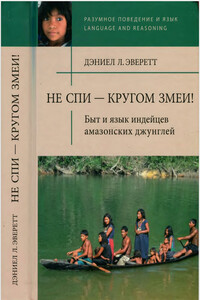
«Не спи — кругом змеи! Быт и язык индейцев амазонских джунглей» (2008) — рассказ Дэниела Эверетта о его жизни среди индейцев народности пираха в джунглях Амазонии. Молодой лингвист и миссионер отправился в Бразилию со всей семьей, чтобы перевести на язык пираха Библию и обратить индейцев в христианство. Пираха не отмечают смену дня и ночи и не знают частной собственности, в их языке нет числительных, устоявшихся цветообозначений, понятий «право» и «лево» и сложных предложений. Общение с пираха, интерес к их образу жизни, культуре и языку полностью изменили представления Эверетта о науке и религии.