The Last Confession of Thomas Hawkins - [89]
>
And so the day came for my trial – Thursday 26th February. I took Eliot’s advice and called at dawn for the prison barber. He grumbled when he saw the thick black stubble that covered my scalp and face – I had not been shaved since my arrest. It took him a half-hour and three passes with the blade before he was done, and he charged double the usual fee for his trouble. Once he had left I dressed in my sober black waistcoat and breeches. I had no mirror and could only guess at my appearance. Judging from the way the clothes hung from my frame, I supposed I must be an alarming sight, gaunt and haggard. My eyes felt raw from lack of sleep. Well, there was nothing to be done – and indeed it would appear odd if I bounded bright-eyed into court.
My hands began to tremble as I wound my cravat and so I paused and sat down upon the bed. I had never felt so alone as in this hour. All my life I had sought the company of others, happy in a large, boisterous crowd. Now there was only silence and a cold cell. My friends were gone or unable to help. My family were many miles away. My sister had written several letters and I had wept over them all, knowing that she if no one else would always believe in my innocence. But how I’d shamed her! How would she ever find a husband now, with such an infamous brother? My dear sister Jane – always so good to me. And here was her reward. I closed my eyes and imagined myself home, walking the old coastal path, the sea sparkling beneath an endless sky. A taste of salt and clean air on my tongue.
Someone began to play the fiddle in a neighbouring cell and voices filled the air, new words set to an old ballad.
Tom Hawkins was a parson’s son
With evil in his heart
A deed most wicked he has done
And so he’ll ride the cart.
He stabbed Jo Burden with his blade
The blood is on his hands
A noose old Hooper he has made
The gentleman will hang.
The key rattled in the lock and Mr Rewse stepped into the cell, a set of iron chains slung over his shoulder. He had let me live unfettered these past weeks, but now I must be chained again for all the world to see. I rose and let him fix the manacles to my wrists. This is a play, I told myself. Act the part you have been given and you will be spared. They led me through the ward, my fellow prisoners shouting and joking to one another as I passed. I had not tried to win friends in Newgate, keeping to my cell as much as possible. I had not repented, nor had I fallen in with the lower sorts who drank and whored their way to the gallows. Worst of all, I had continued to protest my innocence, which infuriated the good and the wicked alike. So there was no fellow-feeling as I walked through the gaol. They sang my ballad again to send me on my way, while the turnkeys chuckled to themselves.
I comforted myself with the knowledge that Budge was still endeavouring to secure my release. He had written again, briefly, to say that his mistress would prefer the matter to be resolved at trial and hoped that I would be set free without her aid. I wished that too, in the way one might wish one could fly or pluck gold coins from the air. Wishing would not make it so.
We took a passage beneath the street, connecting the prison to the Old Bailey. My chains clinked as we walked, the sound echoing through the tunnel. Eliot stood waiting for us at the other end.
‘You look ill, sir.’
‘You would have me skipping like a spring lamb, I suppose?’
‘The King’s Council has called Kitty to testify.’
I stared at him in horror. He seemed to draw some comfort from my reaction – proof that I was at least decent enough to care for Kitty’s reputation. ‘She wishes to speak in your defence. You may call her as a witness.’
I shook my head. God knows what she would be prepared to say in order to save me. Eliot sighed, as if he had expected my response. He seemed so dejected that on impulse I clasped his hands. ‘Thank you, sir, for all you have done.’
He gave an exasperated laugh, as if to say – you have let me do nothing.
‘You are a good man, Mr Eliot. And an excellent lawyer.’
‘Aye…’ He glanced towards the courtroom, where the judge and jury waited. ‘But what sort of a man are you, Hawkins? I fear I cannot tell.’
>
And so we entered the court and the world knows what happened next. I will not write of it here. To place myself in that room again, the sweat pouring down my back, mouth dry, barely able to breathe with fear… and all about me the rows of spectators, half of them old acquaintances, all craning to get the best view as if this were the theatre and not my life. James Fleet was there, tucked quietly in the shadows, to be sure I behaved.
And on the front row, Charles Howard, face set throughout in grim, glowering concentration. When at last it was over and the verdict came down, he rose and picked up his hat, pushing past his neighbours to reach the aisle. I passed not two feet from him as the guards led me in chains back to prison. He smiled, teeth bared, but it was his eyes that I remembered, alone in my cell. Those terrible eyes, gleaming in cold triumph.
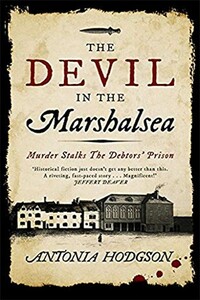
WINNER OF THE CWA HISTORICAL DAGGER AWARD 2014.Longlisted for the John Creasey Dagger Award for best debut crime novel of 2014.London, 1727 – and Tom Hawkins is about to fall from his heaven of card games, brothels, and coffeehouses to the hell of a debtors' prison. The Marshalsea is a savage world of its own, with simple rules: those with family or friends who can lend them a little money may survive in relative comfort. Those with none will starve in squalor and disease. And those who try to escape will suffer a gruesome fate at the hands of the gaol's rutheless governor and his cronies.The trouble is, Tom Hawkins has never been good at following rules – even simple ones.
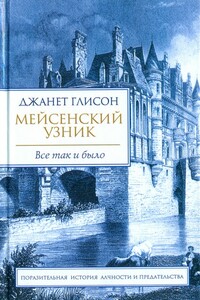
Безжалостный король Август Сильный заточил в своем замке юного аптекаря Иоганна Фридриха Бёттгера. Тот должен открыть тайну получения золота из свинца, а неуспех будет стоить ему жизни. Бёттгер не сумел осуществить мечту алхимиков, зато получил рецепт фарфора — экзотической и загадочной субстанции, называемой «белым золотом». И ради того чтобы его раздобыть многие современники готовы лгать, красть и даже убивать…
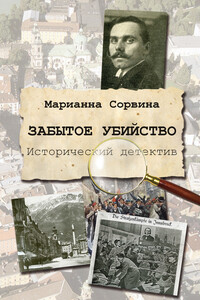
В основе исторического детектива – реальные события, произошедшие в Инсбруке в ноябре 1904 года. Всего один день и одна жертва! Но случившееся там получило широкий резонанс. Мы вглядываемся в эту трагедию из дня нынешнего и понимаем, что мир тогда вступал в совершенно иную эпоху – в драматичный и жертвенный XX век, в войнах которого погибли миллионы. Инсбрукские события, по мнению автора, стали «симптомом всего, что произошло позднее и продолжает происходить до сих пор». Вот почему «Чёрная пятница Инсбрука», столь детально описанная, вызывает у читателя неподдельный интерес и размышления о судьбах мира.

1920-е годы, Англия. Знаменитый лондонский писатель с женой-американкой, следуя на отдых, волею случая оказываются в типично английской глубинке. Их появление совпадает с загадочным и зловещим происшествием. Маленький уютный городок взбудоражен гибелью при весьма туманных обстоятельствах старшей дочери самого богатого и влиятельного человека в графстве, хозяина поместья Ланарк-Грэй-Холл. Слухи приписывают «авторство» преступления ужасному чудовищу из старинной легенды. Но вместо того, чтобы поскорее бежать подальше от опасных мест, приезжие «туристы» решают остаться.
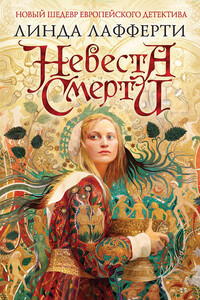
Судьба молодой чешки Маркеты была предопределена с самого ее рождения. Дочь цирюльника, а также владельца бани, она должна была, как и ее мать, стать банщицей – помогать посетителям мыться и позволять им всевозможные вольности. Но однажды ее судьба круто изменилась…В городок, где жила Маркета, привезли на лечение внебрачного сына императора Рудольфа II, дона Юлия, подверженного страшным приступам безумия. Ему требовались лечебные кровопускания, которые и должен был производить местный цирюльник – отец Маркеты.
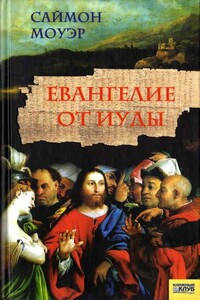
Неподалеку от Иерусалима во время археологических раскопок обнаружен бесценный свиток — «Евангелие от Иуды». Расшифровка текста поручена католическому священнику Лео Ньюману. Лео переживает кризис веры в Бога. Он понимает: если свиток будет признан аутентичным, это пошатнет основы христианства и скажется на судьбах миллионов верующих… Священник задается вопросом: что важнее — спокойствие незнания или Истина?Действие романа то забегает вперед, повествуя о жизни Лео после своеобразного воскрешения, то возвращается в фашистский Рим 1943 года.
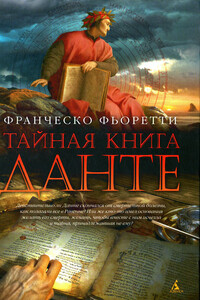
Впервые на русском языке «Тайная книга Данте», роман Франческо Фьоретти, представителя нового поколения в итальянской литературе, одного из наследников Умберто Эко.Действительно ли Данте скончался от смертельной болезни, как полагали все в Равенне? Или же кто-то имел основания желать его смерти, желать, чтобы вместе с ним исчезла и тайна, принадлежавшая не ему? Мучимые сомнениями, дочь поэта Антония, бывший тамплиер по имени Бернар и врач Джованни, приехавший из Лукки, чтобы повидаться с поэтом, начинают двойное расследование.