Очерки истории Сюника. IX–XV вв. - [96]
It is reprehensible occurence, when some people, whatever intentions they have, wish and attempt to soak up the history of the others, using as a pretext contemporary borderlines of the present day administrative — political maps. The history of Siunik represents one of the brightest pages of the all — Armenian history, and nobody has any right to falsify it's glorious, merited past by the anty-scholar, unfounded,theories.
On the pages of this book we have analyzed historical problems of the feudal houses of Siunik, political events during the period of it's kingdom; mutual struggle of the Armenian and Georgian peoples, and also creation and destruction of the Orbelian principality. The political fall ot Siunik had taken place for the reason of Seljuk Turks', Tatar-Mongols' and Eastern warlike tribes' invasions.
Manuscript sources and particularly lapidary inscriptions testify that in the 12–13-th centuries feudal relations were most developed precisely in Siunik, where due to the political circumstances, under the general leadership of Zakharians, numerous representatives of the old and new noble families of Historical Armenia were centralized. Among them Khaghbakians, Orbelians, Akhthamarians, Mehevanians and others. Created by the competition situation appeared to be useful most of all for the churches. Big donations of land and profitable enterprises were done to the bishopric of Siunik province, to it's churches and monasteries (Tatev, Vahanavank, Noravank, Tsaghats Kar, Tanahat and others). All of them also served as prominent scientific and important scholar centers of the land. Independently from political disunity of Siunik, Armenian church was providing its autocratic power under the rich taxes and exactions, collected from the people. It was tring to attain all three well — known forms of rent.
On the base of the fragmented evidencies of the prime sources it is possible to presume, that the feudal serfdom of peasantry also existed in Siunik, however, it had not got peculiar features, typical for classic countries of feudal enslaving. The main reason was that Siunik was lashing of the stable political basis. In this land free peasant communities predominated. They were giving previously determinated taxes and exactions to civic and cleric lords. Besides, when it was needed, they were also carrying out field work. There were peasant's unrests, directed against the ruling classes in Siunik, on the social ground, which could get the appropriate political direction under the favourable conditions. Blows of such type were the rebellions of peasants from Tsouraberd, Tamlek and other «old lords of native land» from the free peasant communities. As a matter of fact, all this rebellions were an active response on the powerful Tondrakit movement.
Foresightly using the «inju» right, given to Armenians by the Mongol khans, cleric and civic lords of Siunik payed a special attention to the illumination and education tasks. Ciadzor and Tatev Universities, Hermon, Spitakavor Astvatsatsin, Yeghegis and Srkghonk criptorial centers, patronized and assured by Proshians, Orbelians and provincial bishopric, had won the allnational glory. Vigorous grouth of the spiritual and cultural life was greatly conducived, taking into account the circumstances that both political and clerical power in Siunik was centralized in the same hands of the Orbelian noble family.
Prominent and humane Armenian intellectuals of the time (such as Frik, Kirakos Gandzaketsy, Khachatur Kecharetsy, Stephanos Orbelian) being the witness of the wide popular circles' hard conditions, rised their voice of protest against the Mongol governors. In the second half of the 13-th century, when the anty-Mongolian insurrection had blazed up and entire rank of Armenian princes had been taking over the leadership of it, and martyred in the Mongol's clutches for the participation and leadership the struggle. The Mongolian court tryed to oppress subject peoples, continually using «divide et impera» principle. Khans were always active in setting capable of fighting chiefs of the great feudal families against each other.
Rich documents and wide material give us all the grounds for a conclusion, that downfall of the Siunik kingdom, and also extermination of the Orbelian principality and their family had the following reasons:
1. Political disunity of the country.
2. Invasions of the conquerors.
3. Contradictions between Armenian feudal families and secessionist aspirations.
Armenia as a whole, and it's province of Siunik in particular, bit by bit had lost an ability to withstand the outside enemies, and so it had become an area of permanent clashes with foreign conquerors. As a result, an outmigration appeared, and instead of local masters, the dominant position was conquered by chiefs of the nomadic tribes. However, viable forces of the land, it's craftsmen and peasantry, had never abandoned their native mountains. They had taken shelter and put out shoots in them, having an invincible belief into the future. Two centuries had been needed, until began the definitely new and full of glory historical period, which hero was to be a dread and horror for Turkish-Persian invaders, great son of Siunik — Davit-bek.
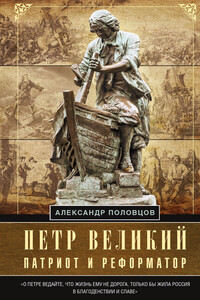
Для русского человека имя императора Петра Великого – знаковое: одержимый идеей служения Отечеству, царь-реформатор шел вперед, следуя выбранному принципу «О Петре ведайте, что жизнь ему не дорога, только бы жила Россия в благоденствии и славе». Историки писали о Петре I много и часто. Его жизнь и деяния становились предметом научных исследований, художественной прозы, поэтических произведений, облик Петра многократно отражен в изобразительном искусстве. Все это сделало образ Петра Великого еще более многогранным. Обратился к нему и автор этой книги – Александр Половцов, дипломат, этнограф, специалист по изучению языков и культуры Востока, историк искусства, собиратель и коллекционер.
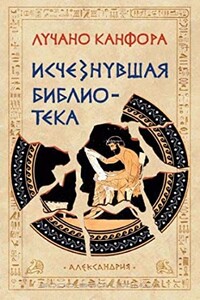
Об Александрийской библиотеке — самой знаменитой библиотеке Древнего мира, созданной в III веке до нашей эры с целью собрать «все книги всех народов» (основатели оценивали задачу приблизительно в 500 тыс. свитков) — мы знаем на удивление мало и даже слово «библиотека» понимаем иначе. Профессор Канфора в своей книге подвергает тщательной ревизии всё, что известно об «исчезнувшей библиотеке», и заново реконструирует ее девятивековую историю. Лучано Канфора — выдающийся итальянский историк и филолог-классик, профессор университета г. Бари, научный координатор Школы исторических наук Сан-Марино.
Политическая полиция Российской империи приобрела в обществе и у большинства историков репутацию «реакционно-охранительного» карательного ведомства. В предлагаемой книге это представление подвергается пересмотру. Опираясь на делопроизводственную переписку органов политического сыска за период с 1880 по 1905 гг., автор анализирует трактовки его чинами понятия «либерализм», выявляет три социально-профессиональных типа служащих, отличавшихся идейным обликом, особенностями восприятия либерализма и исходящих от него угроз: сотрудники губернских жандармских управлений, охранных отделений и Департамента полиции.
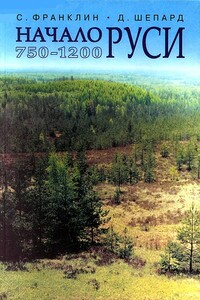
Монография двух британских историков, предлагаемая вниманию русского читателя, представляет собой первую книгу в многотомной «Истории России» Лонгмана. Авторы задаются вопросом, который волновал историков России, начиная с составителей «Повести временных лет», именно — «откуда есть пошла Руская земля». Отвечая на этот вопрос, авторы, опираясь на новейшие открытия и исследования, пересматривают многие ключевые моменты в начальной истории Руси. Ученые заново оценивают роль норманнов в возникновении политического объединения на территории Восточноевропейской равнины, критикуют киевоцентристскую концепцию русской истории, обосновывают новое понимание так называемого удельного периода, ошибочно, по их мнению, считающегося периодом политического и экономического упадка Древней Руси.

Пособие для студентов-заочников 2-го курса исторических факультетов педагогических институтов Рекомендовано Главным управлением высших и средних педагогических учебных заведений Министерства просвещения РСФСР ИЗДАНИЕ ВТОРОЕ, ИСПРАВЛЕННОЕ И ДОПОЛНЕННОЕ, Выпуск II. Символ *, используемый для ссылок к тексте, заменен на цифры. Нумерация сносок сквозная. .
В книге сотрудника Нижегородской архивной службы Б.М. Пудалова, кандидата филологических наук и специалиста по древнерусским рукописям, рассматриваются различные аспекты истории русских земель Среднего Поволжья во второй трети XIII — первой трети XIV в. Автор на основе сравнительно-текстологического анализа сообщений древнерусских летописей и с учетом результатов археологических исследований реконструирует события политической истории Городецко-Нижегородского края, делает выводы об административном статусе и системе управления регионом, а также рассматривает спорные проблемы генеалогии Суздальского княжеского дома, владевшего Нижегородским княжеством в XIV в. Книга адресована научным работникам, преподавателям, архивистам, студентам-историкам и филологам, а также всем интересующимся средневековой историей России и Нижегородского края.