Can You Speak Over the Telephone. Как вести беседу по телефону - [9]
Second Secretary of the Mexican Embassy: Without any subsidies from the Government?
The Director: No subsidies from the Government. The Centre comprises three institutes of Clinical Cardiology, the Experimental Cardiology and the Institute of Heart Disease Prevention.
The Indian Ambassador: We presume that the medical personnel is staffed with experienced scientists?
The Director: Not only. A quarter of the Centre’s scientific staff of 500 are young researchers.
The First Secretary of the Ecuadorian Embassy: All equipment and medicines you are using here is of Soviet manufacture?
The Director: Not necessarily. We have scientific exchange agreements with a number of foreign countries and they supply us with some of their advanced equipment.
Counsellor of the Chinese Embassy: Cardiovascular diseases are known to affect people of all ages, especially the elderly. Do you work out recommendations for the people of this group?
The Director: Yes, we study the causes and focus the attention on heart disease prevention.
Ambassador of Nigeria: From what we see here it’s obvious that your Government considers people’s health a matter of state importance. Do you share your rich experience in this field with the less developed countries?
The Director: Yes, we do. Apart from the theoretical aspect of research and the results of the experiments which are open to any state, we helped in equipment of hospitals in some countries.
Ambassador of Ecuador: Namely?
The Director: In Ethiopia, Angola, India, to mention only a few.
Ambassador of Madagascar: I think that the Cardiological Centre is a spectacular example of the great attention your Government is paying to public health.
First Secretary of the US Embassy: Somebody asked at the beginning of our visit whether you, sir, welcome us here as your guests or patients. I for one don’t mind if I ever have a heart attack to be admitted to your Centre as a patient.
The Director: I am sure you won’t have it.
The Ambassador of the People’s Republic of Bulgaria: Allow me, sir, on behalf of the diplomatic corps and on my own behalf to express genuine satisfaction with the results of our visit to the Centre. We wish the staff of the Centre further success for the benefit of mankind. Thank you.
The Director: Thank you, ladies and gentlemen. The pleasure is ours.
Good-bye.
The guests: Good-bye.
money is raised деньги собраны
voluntary work добровольный труд
cardiovascular diseases сердечно-сосудистые заболевания
disease prevention предупреждение болезней
to share rich (positive) experience делиться богатым (положительным) опытом
a spectacular exampleзд. наглядный пример
genuine satisfaction искреннее удовлетворение
Interpretation dialogue. Working in pairs, read the following conversations:
Two young diplomats, Soviet and American, both members of their respective delegations to the General Assembly of the United Nations, meet in the lobby of the U.N. Secretariat in New York. Among other questions, they talk about the foreign services of their countries and prominent Soviet and American diplomats.
Mr Briggs: So you’ve crossed the Atlantic to come to New York again, Mr Artov.
Mr Artov: Yes, I have. Among other things separating us is the Atlantic Ocean. You’re lucky, Briggs. It takes you only two hours to get to New York, whereas I have to fly here for more than fifteen hours.
Mr Briggs: You can afford it once a year. I wish I could travel to Moscow at my government’s expense.
Mr Artov: Who heads the American delegation at this G.A.?
Mr Briggs: This time it is a lady, an old friend of the President.
Mr Artov: Democrat or Republican?
Mr Briggs: Republican, of course. She is a professional diplomat. Do you have women-diplomat in your foreign service?
Mr Artov: Yes, we have. A woman-diplomat once headed our UN mission to the Geneva headquarters.
Mr Briggs: Are there any women-ambassadors?
Mr Artov: Not now. Prior and during the war Mrs Alexandra Kollontay was our ambassador in Sweden.
Mr Briggs: This is very interesting. Tell me about her.
Mr Artov: Mrs Kollontay was the first woman to become an accredited diplomat to a foreign country.
Mr Briggs: I guess she was a contemporary of Lenin?
Mr Artov: Yes, she was. Kollontay was an active revolutionary in tzarist Russia.
Mr Briggs: Did she take part in any international conferences?
Mr Artov: She conducted the Soviet-Finnish armistice in 1944.
Mr Briggs: We, in the States, too, have a couple of ladies occupying high posts in the State Department. I’m afraid they are not so prominent as Mrs Kollontay.
Mr Artov: If I am not mistaken, Mrs Lewis was US ambassador in Italy. Where is she now?
Mr Briggs: She has retired already.
Mr Artov: Since when?
Mr Briggs: Oh, years ago. The American permanent delegation to the UN is headed by a lady now.
Mr Artov: Mrs K.?
Mr Briggs: Yes, do you know her?
Mr Artov: Not personally. She seems to be very active, doesn’t she?
Mr Briggs: I think the State Department makes her that active. She is a well-educated person, though. She is an official who tries to do her best to carry out orders she gets from above.
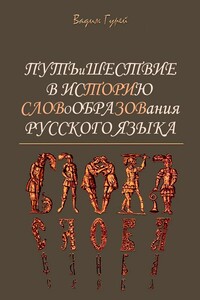
Так как же рождаются слова? И как создать такое слово, которое бы обрело свою собственную и, возможно, очень долгую жизнь, чтобы оставить свой след в истории нашего языка? На этот вопрос читатель найдёт ответ, если отправится в настоящее исследовательское путешествие по бескрайнему морю русских слов, которое наглядно покажет, как наши предки разными способами сложения старых слов и их образов создавали новые слова русского языка, древнее и богаче которого нет на земле.
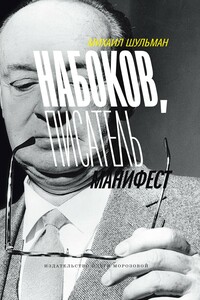
Набоков ставит себе задачу отображения того, что по природе своей не может быть адекватно отражено, «выразить тайны иррационального в рациональных словах». Сам стиль его, необыкновенно подвижный и синтаксически сложный, кажется лишь способом приблизиться к этому неизведанному миру, найти ему словесное соответствие. «Не это, не это, а что-то за этим. Определение всегда есть предел, а я домогаюсь далей, я ищу за рогатками (слов, чувств, мира) бесконечность, где сходится все, все». «Я-то убежден, что нас ждут необыкновенные сюрпризы.
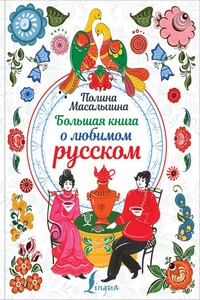
Содержание этой книги напоминает игру с огнём. По крайней мере, с обывательской точки зрения это, скорее всего, будет выглядеть так, потому что многое из того, о чём вы узнаете, прилично выделяется на фоне принятого и самого простого языкового подхода к разделению на «правильное» и «неправильное». Эта книга не для борцов за чистоту языка и тем более не для граммар-наци. Потому что и те, и другие так или иначе подвержены вспышкам языкового высокомерия. Я убеждена, что любовь к языку кроется не в искреннем желании бороться с ошибками.
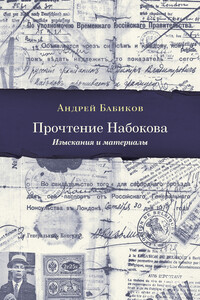
Литературная деятельность Владимира Набокова продолжалась свыше полувека на трех языках и двух континентах. В книге исследователя и переводчика Набокова Андрея Бабикова на основе обширного архивного материала рассматриваются все основные составляющие многообразного литературного багажа писателя в их неразрывной связи: поэзия, театр и кинематограф, русская и английская проза, мемуары, автоперевод, лекции, критические статьи и рецензии, эпистолярий. Значительное внимание в «Прочтении Набокова» уделено таким малоизученным сторонам набоковской творческой биографии как его эмигрантское и американское окружение, участие в литературных объединениях, подготовка рукописей к печати и вопросы текстологии, поздние стилистические новшества, начальные редакции и последующие трансформации замыслов «Камеры обскура», «Дара» и «Лолиты».
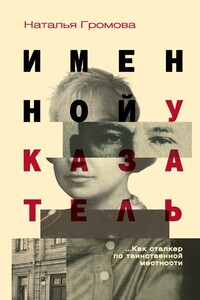
Наталья Громова – прозаик, историк литературы 1920-х – 1950-х гг. Автор документальных книг “Узел. Поэты. Дружбы. Разрывы”, “Распад. Судьба советского критика в 40-е – 50-е”, “Ключ. Последняя Москва”, “Ольга Берггольц: Смерти не было и нет” и др. В книге “Именной указатель” собраны и захватывающие архивные расследования, и личные воспоминания, и записи разговоров. Наталья Громова выясняет, кто же такая чекистка в очерке Марины Цветаевой “Дом у старого Пимена” и где находился дом Добровых, в котором до ареста жил Даниил Андреев; рассказывает о драматурге Александре Володине, о таинственном итальянском журналисте Малапарте и его знакомстве с Михаилом Булгаковым; вспоминает, как в “Советской энциклопедии” создавался уникальный словарь русских писателей XIX – начала XX века, “не разрешенных циркулярно, но и не запрещенных вполне”.
В книге рассказывается история главного героя, который сталкивается с различными проблемами и препятствиями на протяжении всего своего путешествия. По пути он встречает множество второстепенных персонажей, которые играют важные роли в истории. Благодаря опыту главного героя книга исследует такие темы, как любовь, потеря, надежда и стойкость. По мере того, как главный герой преодолевает свои трудности, он усваивает ценные уроки жизни и растет как личность.