Can You Speak Over the Telephone. Как вести беседу по телефону - [21]
IV. Make calls according to these assignments:
1. You had your TV set repaired. But it does not work well. Report your complaint to the TV repair shop. 2. Thank your friends who sent you a birthday card and a gift. 3. Your colleague has been taken ill. Ask after his health. 4. Ask the Deliveries Department to send you foodstuffs. 5. The delegation which was due to be in London on Monday is delayed. Call off the meeting with the President of the Steel Corporation.
Read the dialogues aloud working in groups of two.
IV
FORMAL AND INFORMAL TELEPHONE CONVERSATIONS
The language used for speaking on the telephone is basically very similar to that of ordinary conversation, but limited in certain important respects by the special situation, which imposes a number of restrictions. Attention may be called to some of the chief differences between formal and informal telephone conversations. The most notable difference is that a formal telephone conversation is conducted at a much more formal level because the people speaking are taking care to maintain the high level of politeness usually felt appropriate in this kind of discussion. Another difference is that the formal discussion is very precise and factual, keeping to the point and never straying off into the chatty vagueness which is found at times in informal telephone conversations. Finally, there is of course a considerable difference in the vocabulary, with more technical terms than one would expect to find in the average informal telephone conversation, and a mixture of formal and informal words and phrases. Informal chatty telephone calls usually take place between friends who have nothing in particular to discuss and are simply engaging in a bit of social pleasantness. In this kind of telephone conversation there is a great deal of informal idiom.
A. FORMAL TELEPHONE CONVERSATIONS
Operator: Good morning. Hawles Engineering. Can I help you?
Mr Weston: I’d like to speak to Mr James Marsh, please, I think it’s extension forty-seven.
Operator: Who’s calling, please?
Mr Weston: My name is Weston. I’m from Plant Installations Limited.
Operator: Will you hold the line for a moment, Mr Weston? I’ll see if Mr Marsh is free[17].
Mr Weston: Yes, thank you.
Mr Marsh: Hello. Marsh speaking[18].
Operator: Oh, hello, Mr Marsh. I’ve got a Mr Weston[19] from Plant Installations on the line[20]. Can you speak to him now?
Mr Marsh: Oh yes. Thank you. Put him through, please.
Operator: You’re through now, Mr Weston.
Mr Marsh: Hello, Mr Weston. What can I do for you?[21]
Mr Weston: Good morning, Mr Marsh. You’ll remember that our surveyor[22] took another look at the floor of your main polishing shop last week.
Mr Marsh: Yes.
Mr Weston: Well I’ve just got his report, and’I thought I’d let you know the result.
Mr Marsh: Splendid[23]. That was quick work[24].
Mr Weston: Yes, it was quite quick, wasn’t it? And you’ll be pleased to know[25] that he’s been able to confirm what he said in his original report. Mr Marsh: Has he? Oh, good.
Mr Weston: Yes, he says that the subsidence[26] hasn’t gone any further since he first inspected the floor, and that there’s no need to increase the strengthening measures he recommended.
Mr Marsh: Well I’m very pleased to hear that, Mr Weston. You’ve taken a load off my mind[27].
Mr Weston: Yes, I’m glad it won’t be necessary to hold things up[28] on account of the floor. I’ll confirm all this in writing of course, but I thought that I’d let you know as soon as possible in the hope that we could agree on a defenite starting date.
Mr Marsh: Yes, of course.
Mr Weston: If we can fix that, then I can go ahead with arrangements here.
Mr Marsh: Well it’ll take us about two days to finish off the outstanding work[29] in the plating and polishing shops[30], and then you can have a free hand[31] to begin your operations. How does that suit you?
Mr Weston: Two days. That brings us to Thursday morning[32], doesn’t it?
Mr Marsh: Thursday, yes.
Mr Weston: And I did understand you to say we could continue working at week-ends.
Mr Marsh: Yes, that’s right.
Mr Weston: Well in that case Thursday morning will suit us very well. I’ll put it in hand[33] straight away.
Mr Marsh: Good.
Mr Weston: Now there is one other matter that I’d like to discuss breifly with you if you can spare the time. I’m not keeping you from anything[34], am I?
Mr Marsh: No, I do have[35] a meeting in about half an hour, but I’m at your disposal[36] until then, so please carry on[37], Mr Weston.
Mr Weston: Well, this is a point which concerns the outlet duct[38] for the main ventilator.
Mr Marsh: Ah, yes. You asked to be sent the final plans, didn’t you? Did you get those?
Mr Weston: Yes, thanks. Your secretary sent them on to me. Now I see from the plans that you intend the duct to be placed alongside an existing chimney. Do you recall that?
Mr Marsh: Mm. That’s right.
Mr Weston: Well, what I’d like to know is whether the chimney’s strong enough to support the duct, or whether we shall have to construct independent supports. Now unfortunately, at the time of our survey, we didn’t think to inspect

Книга известного историка литературы, доктора филологических наук Бориса Соколова, автора бестселлеров «Расшифрованный Достоевский» и «Расшифрованный Гоголь», рассказывает о главных тайнах легендарного романа Бориса Пастернака «Доктор Живаго», включенного в российскую школьную программу. Автор дает ответы на многие вопросы, неизменно возникающие при чтении этой великой книги, ставшей едва ли не самым знаменитым романом XX столетия. Кто стал прототипом основных героев романа? Как отразились в «Докторе Живаго» любовные истории и другие факты биографии самого Бориса Пастернака? Как преломились в романе взаимоотношения Пастернака со Сталиным и как на его страницы попал маршал Тухачевский? Как великий русский поэт получил за этот роман Нобелевскую премию по литературе и почему вынужден был от нее отказаться? Почему роман не понравился властям и как была организована травля его автора? Как трансформировалось в образах героев «Доктора Живаго» отношение Пастернака к Советской власти и Октябрьской революции 1917 года, его увлечение идеями анархизма?
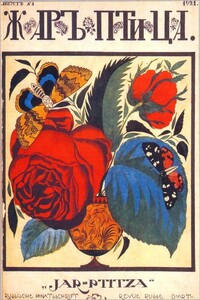
Статья Марка Алданова к столетнему юбилею Ф.М. Достоевского.
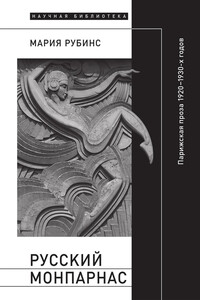
Эта книга – о роли писателей русского Монпарнаса в формировании эстетики, стиля и кода транснационального модернизма 1920–1930-х годов. Монпарнас рассматривается здесь не только как знаковый локус французской столицы, но, в первую очередь, как метафора «постапокалиптической» европейской литературы, возникшей из опыта Первой мировой войны, революционных потрясений и массовых миграций. Творчество молодых авторов русской диаспоры, как и западных писателей «потерянного поколения», стало откликом на эстетический, философский и экзистенциальный кризис, ощущение охватившей западную цивилизацию энтропии, распространение тоталитарных дискурсов, «кинематографизацию» массовой культуры, новые социальные практики современного мегаполиса.

На протяжении всей своей истории люди не только создавали книги, но и уничтожали их. Полная история уничтожения письменных знаний от Античности до наших дней – в глубоком исследовании британского литературоведа и библиотекаря Ричарда Овендена.
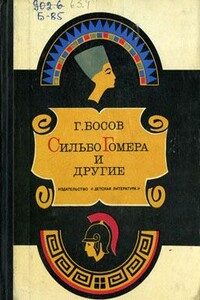
Книга о тайнах и загадках археологии, этнографии, антропологии, лингвистики состоит из двух частей: «По следам грабителей могил» (повесть о криминальной археологии) и «Сильбо Гомера и другие» (о загадочном языке свиста у некоторых народов мира).

Американский популяризатор науки описывает один из наиболее интересных экспериментов в современной этологии и лингвистике – преодоление извечного барьера в общении человека с животными. Наряду с поразительными фактами обучения шимпанзе знаково-понятийному языку глухонемых автор излагает взгляды крупных лингвистов на природу языка и историю его развития.Кинга рассчитана на широкий круг читателей, но особенно она будет интересна специалистам, занимающимся проблемами коммуникации и языка.