Can You Speak Over the Telephone. Как вести беседу по телефону - [20]
Mr Petrov: Thank you.
Deliveries Department: Good morning. Deliveries.
Mr Petrov: I’d like some things sent this morning, please.
D.D.: I’m afraid we can’t manage anything this morning. One of the van men hasn’t reported for work today. I’ll do my best to arrange it for this afternoon. May I have your name, please?
Mr Petrov: Mr Petrov. 14, Hereford Drive.
D.D.: Thank you. What would you like?
Mr Petrov: Eight pounds of potatoes to start with; a large sliced loaf; a medium-sized cauliflower; a pound of beef sausages; half a pound of minced beef; a large bag of self-raising flour; half a dozen large eggs. That’s all.
D.D.: I’m not sure whether we keep beef sausages. Excuse me a moment. I’ll just check that. (He goes off to check and then comes back.) Hello. No, I’m sorry. We’ve got pork sausages.
Mr Petrov: I’ll try that then. By the way, you forgot to send the invoice with my last order. Send it this time, will you? I’d like to settle my account as I’m going on holiday next week. Could I have a statement of what I owe?
D.D.: Yes, sir. I’ll inform the accounts section and they’ll fit in your order this afternoon and send you the statement.
Mr Petrov: Thank you. Good-bye.
D.D.: Good-bye.
Mr Blake: Good afternoon, Mr Vasiljev. This is Blake from the Protocol Department.
Mr Vasiljev: Good afternoon, Mr Blake.
Mr Blake: I’d like to bring to your attention that Flight 903 by which the Polish Delegation led by the Minister of Foreign Trade and Shipping is due to get to London is delayed. We’ve just had a message that owing to a dense fog all aircraft bound for London has been diverted to Amsterdam.
Mr Vasiljev: Thank you very much for letting us know. I wonder if you would be so kind as to give us a ring when you are sure of the time the plane will be arriving.
Mr Blake: Yes, don’t you worry. I’ll certainly do that. Good-bye.
Mr Vasiljev: Good-bye.
A gentleman enters a telephone call-box in a hurry, takes off the receiver and dials the number of trunk-call service at the exchange.
Operator: Trunk service. Number, please?
G.: Victoria 2904. I say, operator, will you hurry it up for me as I have to catch a train in a few minutes.
O.: Unless your number is engaged, I can put you through almost at once. Drop your coin, please, and press button A as soon as your number answers.
(The gentleman drops a coin and presently hears a high-pitched sound at the other end, the engaged signal.)
O.: I’m sorry, sir, your number is engaged. Will you press button В to get your money back? I suggest you try again in a minute or two.
G.: All right.
(After a while he rings the exchange once more.)
O.: Trunk service.
G: Will you try Victoria 2904 once more for me, please?
O.: Drop your coin, please. I have got your number! Hold the line, please.
G. (hears a voice): Are you there?
Voice (at the other end): This is Mr Jones’ house, 24 Strethem Road.
G: Oh, it’s you, Mary. Will you fetch Mrs Jones as quickly as you can.
Mrs Jones: Is that you, George, dear? How are you? So happy to hear your voice again! When will you be home again?
G.: I can’t hear you, dear. Your voice is ever so faint. There’s some background noise interfering.
O.: Can you hear your number all right?
G: No, I cannot, operator. Will you try and clear the line for me, please?
O.: Hold a minute, please. I think that’s better now.
G.: Are you there? Is that you, Lucy, dear? I say, can you hear me?
Mrs Jones: Yes, dear, I can.
G.: I’m arriving at Victoria at 5.40 this afternoon. Will you come to meet me there?
Mrs Jones: Certainly, dear.
O.: Your time is up. If you want to speak on drop another six-pence, please.
G: All right, dear, so long.
I. Read these dialogues and reproduce them as close to the text as possible.
II. What would you say on the phone in reply to these remarks or questions?
1. Nick had a bad case in the flu and he was taken to the hospital. 2. The train from Liverpool is delayed. 3. Your number doesn’t answer. 4. I am having my birthday party next Saturday. I wonder if you and your wife would care to come. 5. Would you like to make a personal call or a station-to-station call? 6. There is no direct service between Washington and Madison, but let me see what the best connecting point is. 7. We would like you to confirm your reservation in writing. 8. I’m calling you to inquire about books by Soviet contemporary writers. Where can I get them? 9. Then could you manage to come over on Monday at eleven o’clock? 10. I was delighted to hear of your promotion. Congratulations!
III. In what situations would you say the following?
1. Sorry to have caused you this inconvenience. 2. Say hello to your wife, please. 3. I’m afraid he won’t be able to attend the conference. 4. I wonder if Flight 753 is due to get to London on schedule. 5. The aircraft bound for Moscow has been diverted to Amsterdam. 6. I wonder if you would be so kind as to give me a ring when you come to know the date of his departure. 7. I’m pretty sure we’re free on Sunday but I’ll have to check with my wife. 8. My call is really urgent. 9. No, thank you. I’ll call back later. 10. How long will it take to have my suit pressed? 11. Could you tell me when you have flights from here to Moscow? 12. You hit the spot with your gift.

Книга известного историка литературы, доктора филологических наук Бориса Соколова, автора бестселлеров «Расшифрованный Достоевский» и «Расшифрованный Гоголь», рассказывает о главных тайнах легендарного романа Бориса Пастернака «Доктор Живаго», включенного в российскую школьную программу. Автор дает ответы на многие вопросы, неизменно возникающие при чтении этой великой книги, ставшей едва ли не самым знаменитым романом XX столетия. Кто стал прототипом основных героев романа? Как отразились в «Докторе Живаго» любовные истории и другие факты биографии самого Бориса Пастернака? Как преломились в романе взаимоотношения Пастернака со Сталиным и как на его страницы попал маршал Тухачевский? Как великий русский поэт получил за этот роман Нобелевскую премию по литературе и почему вынужден был от нее отказаться? Почему роман не понравился властям и как была организована травля его автора? Как трансформировалось в образах героев «Доктора Живаго» отношение Пастернака к Советской власти и Октябрьской революции 1917 года, его увлечение идеями анархизма?
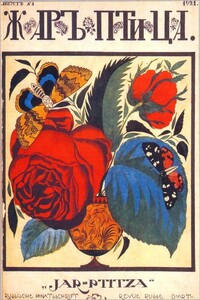
Статья Марка Алданова к столетнему юбилею Ф.М. Достоевского.
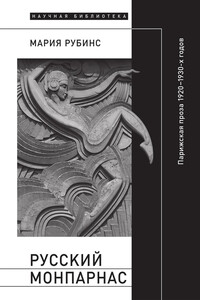
Эта книга – о роли писателей русского Монпарнаса в формировании эстетики, стиля и кода транснационального модернизма 1920–1930-х годов. Монпарнас рассматривается здесь не только как знаковый локус французской столицы, но, в первую очередь, как метафора «постапокалиптической» европейской литературы, возникшей из опыта Первой мировой войны, революционных потрясений и массовых миграций. Творчество молодых авторов русской диаспоры, как и западных писателей «потерянного поколения», стало откликом на эстетический, философский и экзистенциальный кризис, ощущение охватившей западную цивилизацию энтропии, распространение тоталитарных дискурсов, «кинематографизацию» массовой культуры, новые социальные практики современного мегаполиса.
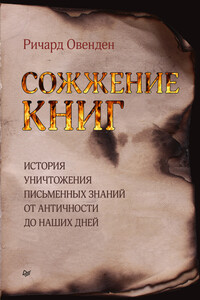
На протяжении всей своей истории люди не только создавали книги, но и уничтожали их. Полная история уничтожения письменных знаний от Античности до наших дней – в глубоком исследовании британского литературоведа и библиотекаря Ричарда Овендена.
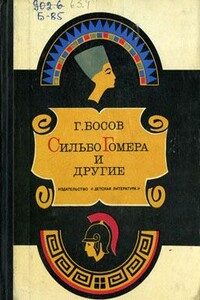
Книга о тайнах и загадках археологии, этнографии, антропологии, лингвистики состоит из двух частей: «По следам грабителей могил» (повесть о криминальной археологии) и «Сильбо Гомера и другие» (о загадочном языке свиста у некоторых народов мира).

Американский популяризатор науки описывает один из наиболее интересных экспериментов в современной этологии и лингвистике – преодоление извечного барьера в общении человека с животными. Наряду с поразительными фактами обучения шимпанзе знаково-понятийному языку глухонемых автор излагает взгляды крупных лингвистов на природу языка и историю его развития.Кинга рассчитана на широкий круг читателей, но особенно она будет интересна специалистам, занимающимся проблемами коммуникации и языка.