Can You Speak Over the Telephone. Как вести беседу по телефону - [17]
Mr Ross: Will you send it to my U.N. address, please?
Mr Frolov: I will. Good-bye, Mr Ross.
Mr Ross: Thank you very much. Good-bye.
Mr Brenn: Could I speak to Mr Shilov, please?
Secretary: Who’s calling, please?
Mr Brenn: This is Tom Brenn of the Conference Department, United Nations.
Secretary: Wait a second, Mr Brenn. Here is Mr Shilov.
Mr Shilov: Hello, Mr Brenn. Has the Conference finished its work? I’m sorry I had to leave due to an urgent matter here in the Mission.
Mr Brenn: That’s all right, Mr Shilov. The Conference has adjourned till next Tuesday. The Chairman has asked you and me to prepare a draft resolution.
Mr Shilov: Has anyone else been included in the draft resolution group?
Mr Brenn: Only two of us, and a secretary.
Mr Shilov: I must say Mr Ovenov is an excellent chairman. I like the way he conducted the proceedings. He gave everyone a chance to speak and kept the discussion to the point.
Mr Brenn: It’s a pity you left. At the end he gave a very good summary of the first day’s work of the Conference.
Mr Shilov: I hope that all the participants of the Conference will make an effective contribution to the subject under consideration. See you tomorrow then.
Mr Brenn: Yes, 10 o’clock in the morning, at the Conference Hall. Goodbye, Mr Shilov.
Mr Shilov: Good-bye, Mr Brenn.
Mr Reid: Hello, can I speak to Mr Petrov, please?
Secretary: Who’s calling, please?
Mr Reid: This is Reid of the Foreign Office.
Secretary: Which Petrov would you like to talk to, Mr Reid? We have two Petrovs here — councillor Arcady Petrov and attache Leonid Petrov.
Mr Reid: Councillor Petrov, please.
Secretary: Mr Petrov is on the phone.
Mr Petrov: Hello, Mr Reid. I am glad you called me.
Mr Reid: How are you, Mr Petrov? I hope you are not too busy with the preparations for this forthcoming conference of ours?
Mr Petrov: I am fine, thank you. I have an appointment with you, you remember, to discuss the draft resolution of the conference.
Mr Reid: Of course, I do. It is this Friday, at 3 p.m. Did the Chairman of the Committee send you the draft?
Mr Petrov: Yes, he did, and his personal letter, too. He’s insisting on discussing the draft resolution by a narrow circle of diplomats first. I don’t know what he means mentioning “a narrow circle of diplomats”.
Mr Reid: Our delegation also received his personal letter, and, as a matter of fact, it surprised us a little. I wish he would tell us more explicitly what this “narrow circle of diplomats” will be dealing with.
Mr Petrov: You don’t mind, Mr Reid, if we discuss this problem along with the other questions this Friday, do you?
Mr Reid: No, I don’t. I’m looking forward to seeing you soon. Good-bye.
Mr Petrov: Good-bye, Mr Reid.
Mr Jones: Hello, Mr Sedov. What have you been up to since I saw you last?
Mr Sedov: Not much, I am afraid, Mr Jones. Just the usual routine work here in the Department of Technical Assistance. And how are you?
Mr Jones: I’m fine, thank you. I’ve heard from Sergeev that you are going to leave for Yugoslavia soon. Is that right?
Mr Sedov: Yes, it is. A group of engineers and technical advisers from the Department is supposed to visit that country.
Mr Jones: On any particular mission?
Mr Sedov: Yes, the Yugoslavs invited us to help them with the construction of modern highways.
Mr Jones: Then they may be in need of the great cranes and bulldozers our firm is producing.
Mr Sedov: Most probably. You should get in touch with the Assistant Director of the Department, and ask him for information and advice, Mr Jones.
Mr Jones: What’s his name?
Mr Sedov: Mr Souram of India.
Mr Jones: Do you have his telephone number?
Mr Sedov: Jot it down — 377-01-09.
Mr Jones: Thank you. When are you leaving for Yugoslavia?
Mr Sedov: Next Monday. You’d better get in touch with Mr Souram as soon as possible
Fred: Hello, Yuri. This is Fred.
Yuri: Hello, Fred. How are you?
Fred: Very busy. We’ve got a lot of work here with the documents.
Yuri: I know. It’s the usual thing with the Documents Office before the Assembly.
Fred: Do you know the news?
Yuri: No, what is it?
Fred: Can you imagine — Dorothy and John are engaged.
Yuri: Which John? The one working in the Conference Department?
Fred: That’s right. And Dorothy is with the Technical Assistance Department.
Yuri: When was the engagement announced?
Fred: A week ago.
Yuri: Have they set the day for the wedding?
Fred: No, not yet. But John says they will marry sometime in November or December. He says you’re on the guest list.
Yuri: Am I? Then I’ve got to think about a wedding present.
Fred: It’s too early yet. He will send you an invitation to the wedding party.
Yuri: And who is the best man?
Fred: Their choice fell on me because I’m a bachelor.
Yuri: Congratulations! They could not have chosen a better man. You are witty, bright and will keep them free from the little worries which usually crop up at the ceremony.
Fred: I’ll try to do my best; as the best man should do. See you at the office on Monday. Bye-bye.
Yuri:
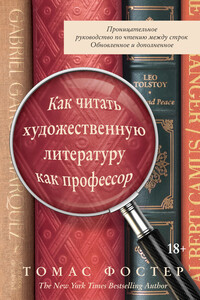
Обновленное и дополненное издание бестселлера, написанного авторитетным профессором Мичиганского университета, – живое и увлекательное введение в мир литературы с его символикой, темами и контекстами – дает ключ к более глубокому пониманию художественных произведений и позволяет сделать повседневное чтение более полезным и приятным. «Одно из центральных положений моей книги состоит в том, что существует некая всеобщая система образности, что сила образов и символов заключается в повторениях и переосмыслениях.
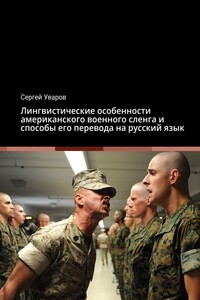
Монография, посвященная специфическому и малоизученному пласту американской неформальной лексики, – сленгу военнослужащих армии США. Написанная простым и понятным языком, работа может быть интересна не только лингвистам и военным, но и простым читателям.
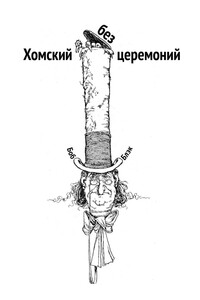
Ноам Хомский, по мнению газеты Нью-Йорк Таймс, самый значимый интеллектуал из ныне живущих. В России он тоже популярный автор, один из властителей дум. Боб Блэк в этой книге рассматривает Хомского как лингвиста, который многим представляется светилом, и как общественного деятеля, которого многие считают анархистом. Пришла пора разобраться в научной работе и идеях Хомского, если мы хотим считаться его единомышленниками. И нужно быть готовыми ко всесторонней оценке его наследия – без церемоний.
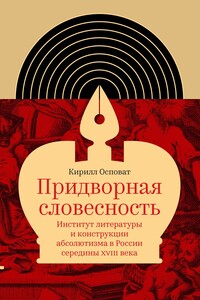
Институт литературы в России начал складываться в царствование Елизаветы Петровны (1741–1761). Его становление было тесно связано с практиками придворного патронажа – расцвет словесности считался важным признаком процветающего монархического государства. Развивая работы литературоведов, изучавших связи русской словесности XVIII века и государственности, К. Осповат ставит теоретический вопрос о взаимодействии между поэтикой и политикой, между литературной формой, писательской деятельностью и абсолютистской моделью общества.
«Как начинался язык» предлагает читателю оригинальную, развернутую историю языка как человеческого изобретения — от возникновения нашего вида до появления более 7000 современных языков. Автор оспаривает популярную теорию Ноама Хомского о врожденном языковом инстинкте у представителей нашего вида. По мнению Эверетта, исторически речь развивалась постепенно в процессе коммуникации. Книга рассказывает о языке с позиции междисциплинарного подхода, с одной стороны, уделяя большое внимание взаимовлиянию языка и культуры, а с другой — особенностям мозга, позволившим человеку заговорить. Хотя охотники за окаменелостями и лингвисты приблизили нас к пониманию, как появился язык, открытия Эверетта перевернули современный лингвистический мир, прогремев далеко за пределами академических кругов.
В 1856 году известный археолог и историк Алексей Сергеевич Уваров обратился к членам Академии наук с необычным предложением: он хотел почтить память своего недавно скончавшегося отца, бывшего министра народного просвещения С. С. Уварова, учредив специальную премию, которая должна была ежегодно вручаться от имени Академии за лучшую пьесу и за лучшее исследование по истории. Немалые средства, полагавшиеся победителям, Уваров обещал выделять сам. Академики с благодарностью приняли предложение мецената и учредили первую в России литературную премию.