Английский для умных - [37]
19) I got used to my new diet
20) He isn’t used to working in such conditions
21) Have you got used to your new colleagues?
22) My mother didn’t use to drink a lot of coffee
23) Have you already got used to such a cold winter?
24) I am used to the shops closing so early
Глава 16
Упражнение 1
1) Working at this text, I made many corrections
2) Having made all the corrections, I checked the document once again
3) Giving a speech, he made a lot of digressions
4) Having given his speech, he thanked everybody for their support
5) The person giving a speech is a Prime Minister
6) He fell running in the garden
7) Having come home, I called my friend
8) Going home, I was thinking about work
9) She put the book away and look at the children, running in the garden
10) Having translated the article, I lay down to rest
11) Having bought all the groceries, I went home
12) The person, going down the street, suddenly stopped
13) The students, listening to the lecture, were writing everything down
14) We woke up before dawn and were able to see the rays of rising sun
15) The room overlooking the garden is more comfortable than the others
16) He was standing, looking at the people, gathering at the square
17) You should be careful crossing the street
18) Having crossed the road, we ran
19) The boy crossing the street looked to the left and to the right
Упражнение 2
1) The shirt, bought one year ago, is too small for me
2) The dog, tied to the tree, wasn’t able to run away
3) He fell running across the field
4) Going home from work, I kept thinking about the upcoming meeting
5) The reported made by him had to be rewritten
6) He came out to the street and was looking to the cars passing by
7) She looked out of the window and looked at the playing kids
8) The redone room looked great
9) Having said goodbye, he left
10) They were drinking tea, talking about the last vacation
11) Having handed out the task, the teacher said to start doing it
12) Working on their essays, the students were trying not make any mistakes
13) Having finished the conversation, they went home
14) He used to run listening to music
15) Having discussed all the problems, they decided to have a snack
16) Working on this text, I was making a lot of corrections
Упражнение 3
1) Having made all the preparations, the army started the attack
2) The information given to us was very useful
3) Having seen that the weather has changed, we decided to stay where we were
4) The books written by him reflect the life of English society in the 19 century
5) He was standing looking from the bridge into the water
6) All the done tasks were on the table
7) Having raised his hand, the spoke person addressed the audience
8) He was sitting looking at the newspaper
9) The cooked cake looked wonderful
10) Having finished with the packaging, the girls went to the station
11) The pictures written by him are now sold at a very high price
12) Having been late for half an hour, they decided not to go to the lecture
13) Having decided not to go anywhere, everybody decided to stay home
14) We put all the bought books on the shelves
15) Going camping, we always take a first aid kit with us
16) Having passed all the exams, they went to the country
17) When travelling, we always visit many museums
18) Having rad the rules, we started the game
Упражнение 4
1) Having done all the tasks, the students handed in the work
2) Having done all the errands, he came back to the office
3) Giving the speech, he made many references to the articles
4) Having drunk the tea, they set off
5) Having bought everything they needed, they came back home
6) Doing the work, the were making many breaks for coffee
7) Having explained the task to us, the teacher told us to start doing it
8) Reading the book, she was making notes
9) Having been tired after a long working day, they decided to have a rest
10) Cleaning the house, she was listening to music
11) Having invited all the acquaintances, she went on to do other preparations
12) Having read the account, he went to the meeting
13) Looking from the window, he was thinking about his future plans
14) Having seen this picture, he decided that he wanted to be a painter too
15) Having finished the performance, the artists came for the bow
16) Preparing the dinner, she was speaking on the phone
17) Having noticed her in the distance, he decided to call her
18) Having seen all the sights, we went to the museum
19) Listening to the lecture, the student were making notes
20) Having had a snack, we went on with our trip
21) He was nervous answering the questions
22) Having checked-in, we went to the duty-free
23) Walking down the main road, they were going to different shops
24) Having washed himself up, he went to get dressed
25) Translating the text, he was often looking some words up in the dictionary
26) Having come back home, she switched on the TV
27) Listening to music, she forgot about everything
28) They were enjoying the summer day, resting on the beach
Глава 17
Упражнение 1
1) I read a book and listened to music
2) I need money, I want to buy food
3) We met some interesting people at the party
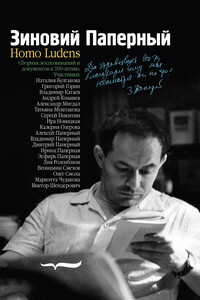
Сборник посвящен Зиновию Паперному (1919–1996), известному литературоведу, автору популярных книг о В. Маяковском, А. Чехове, М. Светлове. Литературной Москве 1950-70-х годов он был известен скорее как автор пародий, сатирических стихов и песен, распространяемых в самиздате. Уникальное чувство юмора делало Паперного желанным гостем дружеских застолий, где его точные и язвительные остроты создавали атмосферу свободомыслия. Это же чувство юмора в конце концов привело к конфликту с властью, он был исключен из партии, и ему грозило увольнение с работы, к счастью, не состоявшееся – эта история подробно рассказана в комментариях его сына.
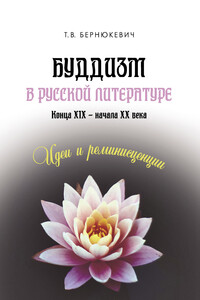
В монографии рассматриваются рецепции буддизма в русской литературе конца XIX – начала XX в. – отражение в ней буддийских идей, мотивов, реминисценций. Выбор писателей и поэтов для данного анализа определен тем, насколько ярко выражены эти рецепции в их творчестве, связаны с его общей канвой, художественными концепциями, миропониманием. В данном ракурсе анализируется творчество Л. Н. Толстого, И. А. Бунина, К. Д. Бальмонта, Д. С. Мамина-Сибиряка, И. Ф. Анненского, М. А. Волошина, В. Хлебникова. Книга адресована историкам и философам культуры, религиоведам, культурологам, филологам.
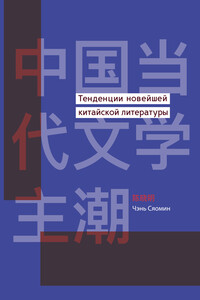
В книге подробно анализируется процесс становления новейшей китайской литературы, а также развития ее направлений и жанров – от «ста школ» и «культурной революции» до неореализма и феминистского творчества. Значительное внимание Чэнь Сяомин уделяет проблемам периодизации, связи литературы и исторического процесса, а также рассуждениям о сути самого термина «новейшая литература» и разграничении между ней и литературой «современной». Эти и другие вопросы рассматриваются автором на примере наиболее выдающихся произведений, авторов и школ второй половины XX века.
Вернер Хамахер (1948–2017) – один из известнейших философов и филологов Германии, основатель Института сравнительного литературоведения в Университете имени Гете во Франкфурте-на-Майне. Его часто относят к кругу таких мыслителей, как Жак Деррида, Жан-Люк Нанси и Джорджо Агамбен. Вернер Хамахер – самый значимый постструктуралистский философ, когда-либо писавший по-немецки. Кроме того, он – формообразующий автор в американской и немецкой германистике и философии культуры; ему принадлежат широко известные и проницательные комментарии к текстам Вальтера Беньямина и влиятельные работы о Канте, Гегеле, Клейсте, Целане и других.
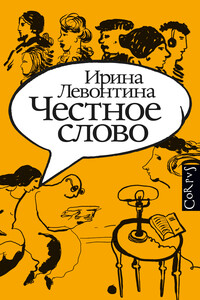
Ирина Левонтина – известный ученый-лингвист, ведущий научный сотрудник Института русского языка им. В. В. Виноградова РАН, автор словарей и блестящих статей, популяризатор лингвистики, специалист по судебной лингвистической экспертизе, колумнист газеты «Троицкий вариант – Наука». А еще она вот уже 20 лет пишет веселые и яркие эссе о переменах в русском языке, о новых словах и необычных грамматических конструкциях, о речи представителей разных поколений и социальных слоев, о проговорках политиков и рекламных «перлах».

Эта книга – не очередной учебник английского языка, а подробное руководство, которое доступным языком объясняет начинающему, как выучить английский язык. Вы узнаете, как все подходы к изучению языка можно выразить в одной формуле, что такое трудный и легкий способы учить язык, почему ваш английский не может быть «нулевым» и многое другое. Специально для книги автор создал сайт-приложение Langformula.ru с обзорами обучающих программ, словарем с 3000 английских слов и другими полезными материалами.