Английский для умных - [39]
38) They had to spend the night at the airport
39) Central Park in New York has an area of 85 acres
40) I don’t want brandy. I want plain water
41) I get «The Daily Express» and «The Financial Times»
42) Kilimandjaro is a mountain the top of which is always covered with snow
43) The title of the book seems interesting to me
44) Even though the air was warm, the water was cold
45) The sleeves of this shirt are short
46) He has big experience and deep knowledge
47) Did you understand the end of the story?
48) Add sugar to the pie
49) Sand and salt are often used to melt ice
Упражнение 5
1) Moscow is situated on the Moscow river
2) The Moscow is a river that flows very slowly. There is a channel that is called «the Moscow-Volga», which connects the Volga with the Moscow and flows into the Moscow river.
3) A few rivers flow out of New York to the ocean. The main river is the Hudson, which flows into the Atlantic ocean. Except the Hudson, there are also two other rivers: the East River and the Harlem river.
4) There are many rivers in Siberia: The Ob, the Irtish, the Lena.
5) The Altay mountains are higher than the Urals.
6) My friends travel a lot. This year they are going to the Canary islands.
7) There is beautiful scenery on lake Geneva out of this hotel
8) Which river flows through London? The Thames.
9) Which country is Washington the capital of? The USA
10) The United Kingdom consists of a few countries including England and Northern Ireland
11) Chicago is on lake Michigan
12) Michigan is a very beautiful lake
Упражнение 6
1) There is a mail box between the building and the bus stop
2) The dog is lying in front of the fire place
3) Do you speak English at work?
4) She has had a bad day today
5) I have a color TV. The TV is on a small table in the corner of the room
6) There is a pen, a book and paper on my desk
7) My brother is a teacher. He works at school.
8) There is a guitar on the chair next to the piano
9) There was a piano in the corner of the living room. He was sitting at the piano for hours, playing his favourite pieces of classical music. He was a great piano player.
10) Who is he going to be in the future?
11) The weather was very bad yesterday morning. The sky was grey, it was raining. But in the middle of the day the weather started to change. It stopped raining and the sun came out of the clouds. It was very warm after lunch. I didn’t want to stay at home and decided to play in the garden. There were many boys and girls in the garden, and we were playing all evening. I came home, drank some tea, ate a sandwich, and went to bed. I was sleeping very well during the night.
12) I get up at half past seven in the morning and get to bed and a quarter to eleven in the evening.
13) There are three rooms and a kitchen in our new apartment.
14) If you want to write something on the board you will need a piece of chalk.
15) May is the fifth month in a year.
16) Saturday is the sixth day in a week
17) What day is it today? Today is the ninth of May
18) The third lesson today is English.
19) After school I usually go home
20) I usually get home at a quarter to five (at four forty five)
21) My friends live in a small town. It is a new town. The streets are wide in straight in it. There beautiful buildings and many trees, this is why the air is very clean. There are a lot of beautiful parks and gardens. People like to go there in the evenings. Sometimes you can hear the sounds of music from the parks. There are libraries, supermarkets, a hospital, a theatre and movie theatres
22) I get up very early, go to the bathroom, switch on the water and wash myself
23) I have lunch after the third lesson
24) There is a new school at the corner of the street
25) My colleague told me that there is going to be a big meeting on the 10th of February
Exercise 7
1) He is the only person I know here
2) What did you discuss at the last meeting?
3) She is such a nice person!
4) All students must learn the following rules
5) I looked through the books on the upper shelf, but I didn’t find the necessary one
6) Go straight and turn left
7) I didn’t understand the main idea of the story
8) It is the same question you asked me last time
9) We will talk about it next time
10) They are such clever students!
11) I didn’t understand the last word
12) You are the very person I need to talk with
13) What is it on the floor?
14) Look out of the window
15) I see a post office, let’s go buy some envelopes
16) I am going to the post office, I need stamps
17) The end of the film is interesting
18) He is going to the army next year
19) The sun rises in the east and sets in the west.
20) What do you call it in English? A ceiling!
21) There is a fly on the ceiling.
22) Look at the sky. The moon is full today.
23) The kitchen in my flat is too small. I need a flat with a larger kitchen.
24) It’s a lie and I want to know the truth!
25) I would like to go the west and to the east, I would like to travel the world
26) How can I get to the station? You should turn left.
27) He is such an honest child. He always tells the truth
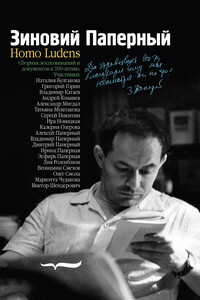
Сборник посвящен Зиновию Паперному (1919–1996), известному литературоведу, автору популярных книг о В. Маяковском, А. Чехове, М. Светлове. Литературной Москве 1950-70-х годов он был известен скорее как автор пародий, сатирических стихов и песен, распространяемых в самиздате. Уникальное чувство юмора делало Паперного желанным гостем дружеских застолий, где его точные и язвительные остроты создавали атмосферу свободомыслия. Это же чувство юмора в конце концов привело к конфликту с властью, он был исключен из партии, и ему грозило увольнение с работы, к счастью, не состоявшееся – эта история подробно рассказана в комментариях его сына.
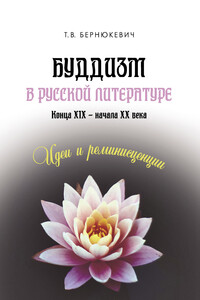
В монографии рассматриваются рецепции буддизма в русской литературе конца XIX – начала XX в. – отражение в ней буддийских идей, мотивов, реминисценций. Выбор писателей и поэтов для данного анализа определен тем, насколько ярко выражены эти рецепции в их творчестве, связаны с его общей канвой, художественными концепциями, миропониманием. В данном ракурсе анализируется творчество Л. Н. Толстого, И. А. Бунина, К. Д. Бальмонта, Д. С. Мамина-Сибиряка, И. Ф. Анненского, М. А. Волошина, В. Хлебникова. Книга адресована историкам и философам культуры, религиоведам, культурологам, филологам.
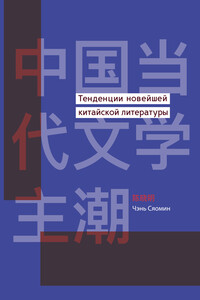
В книге подробно анализируется процесс становления новейшей китайской литературы, а также развития ее направлений и жанров – от «ста школ» и «культурной революции» до неореализма и феминистского творчества. Значительное внимание Чэнь Сяомин уделяет проблемам периодизации, связи литературы и исторического процесса, а также рассуждениям о сути самого термина «новейшая литература» и разграничении между ней и литературой «современной». Эти и другие вопросы рассматриваются автором на примере наиболее выдающихся произведений, авторов и школ второй половины XX века.
Вернер Хамахер (1948–2017) – один из известнейших философов и филологов Германии, основатель Института сравнительного литературоведения в Университете имени Гете во Франкфурте-на-Майне. Его часто относят к кругу таких мыслителей, как Жак Деррида, Жан-Люк Нанси и Джорджо Агамбен. Вернер Хамахер – самый значимый постструктуралистский философ, когда-либо писавший по-немецки. Кроме того, он – формообразующий автор в американской и немецкой германистике и философии культуры; ему принадлежат широко известные и проницательные комментарии к текстам Вальтера Беньямина и влиятельные работы о Канте, Гегеле, Клейсте, Целане и других.
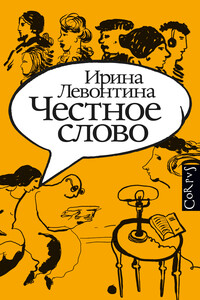
Ирина Левонтина – известный ученый-лингвист, ведущий научный сотрудник Института русского языка им. В. В. Виноградова РАН, автор словарей и блестящих статей, популяризатор лингвистики, специалист по судебной лингвистической экспертизе, колумнист газеты «Троицкий вариант – Наука». А еще она вот уже 20 лет пишет веселые и яркие эссе о переменах в русском языке, о новых словах и необычных грамматических конструкциях, о речи представителей разных поколений и социальных слоев, о проговорках политиков и рекламных «перлах».

Эта книга – не очередной учебник английского языка, а подробное руководство, которое доступным языком объясняет начинающему, как выучить английский язык. Вы узнаете, как все подходы к изучению языка можно выразить в одной формуле, что такое трудный и легкий способы учить язык, почему ваш английский не может быть «нулевым» и многое другое. Специально для книги автор создал сайт-приложение Langformula.ru с обзорами обучающих программ, словарем с 3000 английских слов и другими полезными материалами.