The Last Confession of Thomas Hawkins - [83]
‘You’ve been in the clink before,’ he guessed.
‘For debt.’
‘You’ll know how to behave then.’
I nodded. I had indeed learned a great deal of gaol etiquette from my time in the Marshalsea. Don’t punch the turnkey. Don’t accuse the governor of murder. And most of all, mind my own fucking business.
‘Governor thinks he can find room for you off the Press Yard. Best cells in the gaol if you can pay.’
‘I was expected?’
The turnkey shrugged and led me through the prison to the Condemned Hold. He locked me in, leaving me to grope my way in darkness for a time. When he returned, he pulled back the hatch on the door and offered me a cheap tallow candle, for thrice its value. I took it and did not complain. As I said – I understood gaol etiquette. Let the bastards squeeze you and say nothing.
I settled the candle on the rotten board hammered into the wall. It gave off a wretched, stuttering light that spat shadows around the cell. The tallow added to the stench of the place, the bad air laced with shit and vomit from an overflowing bucket in one corner. Flies buzzed about the rim, feasting on the filth. The reek of it hit me each time I passed by. And yet I could not stop pacing, around and around, restless in my confinement, angry at the injustice. And afraid, yes – to my very soul.
As I paced I tried to find a solution to my troubles, but my mind kept wandering back to Kitty. I was worried about her, alone with Gonson’s guards. Would they have left by now? But then what of Fleet’s men? What if they were waiting for just that opportunity to attack? I kicked the wall in impotent fury. How could I protect her when I could not even protect myself?
The candle died and the room returned to darkness. I felt my way to the small bench and waited.
At last the door opened and Mr Rewse, the governor, stood in the doorway. His twin keys of office hung from a ring attached to his sagging belt. They were huge – over a foot long and at least an inch thick – and clanged together when he moved.
He crinkled his nose. ‘Fie, it stinks in here,’ he muttered, as if this were nothing to do with him. He waved me out into the corridor and led me to his own private lodgings close by. A chink of hope opened in my heart. Had the queen used her influence again? Was I to be released?
Rewse ushered me into a snug, pleasing room with good furniture, paintings and sketches upon the wall, embroidered cushions. Evidence of a Mrs Rewse, I supposed. ‘Call for me when you’re done, sirs,’ he said, then bowed and left.
John Eliot – Kitty’s lawyer – stood with his back to the blazing fire. He smiled briefly, but his eyes were grave. Any dreams I’d had of rescue sputtered and died in that one look.
He clasped my shoulder. ‘Hawkins.’
‘Kitty-’
He squeezed my shoulder with his pudgy fingers. ‘Quite safe.’
‘Thank God. I’m innocent, sir. I swear it.’
‘Of course.’ The kindness and trust in his voice broke me in a way Crowder’s club never could. Tears sprang in my eyes. I brushed them away roughly.
We sat down by the fire and I fortified myself with a bottle of burgundy Eliot had brought for the purpose. He asked if I had discovered anything of use during my own investigation, but there was little I could offer without plunging us all into even greater danger. I could scarcely admit that Sam had murdered Joseph Burden. I feared for my life in here as it was, locked up with half of London’s villains. One or two must belong to Fleet’s gang. If I peached on Sam, or Fleet himself, I would not survive the night, and nor would Kitty.
Nor could I implicate anyone else, not with good conscience. And even if I did, who would believe me? I was the most obvious suspect.
Burden had accused me of murder. I had threatened him the night before he was killed in front of half the street. My only defence had been that the house was locked, with no way in or out. Now that Ned had found the passage, how could I possibly be innocent? Eliot did his best to strengthen my spirits, but I was not a fool. If my case came to trial, I would be convicted and I would hang.
I put my head in my hands, rubbing my scalp. In the tumult of the last few days I had not found the time to visit the barber, and my hair was growing back. I must shave it. There would be lice in this prison, rats in every corner, and fleas in the sheets too, no doubt. Oh, God. I had thought I’d left all this behind. At least I could not catch gaol fever a second time. Yes – what excellent news. There was every chance I would live long enough to be hanged from the neck.
‘I’ve spoken with Rewse,’ Eliot said. ‘He can offer you a decent room by the Press Yard. It’s part of the Keeper’s House. For the better sorts of prisoner.’ He coughed, embarrassed. ‘You will have more privileges than most. Light, good air, the yard for walking. And you will not be chained. That is good news, is it not? It will not be so very bad.’
‘How much will this cost?’
Eliot worried at his lip.
‘How much, sir?’
‘Ten shillings a week,’ he confessed. ‘But you know, sir – Kitty would spend her last farthing to secure your comfort.’

WINNER OF THE CWA HISTORICAL DAGGER AWARD 2014.Longlisted for the John Creasey Dagger Award for best debut crime novel of 2014.London, 1727 – and Tom Hawkins is about to fall from his heaven of card games, brothels, and coffeehouses to the hell of a debtors' prison. The Marshalsea is a savage world of its own, with simple rules: those with family or friends who can lend them a little money may survive in relative comfort. Those with none will starve in squalor and disease. And those who try to escape will suffer a gruesome fate at the hands of the gaol's rutheless governor and his cronies.The trouble is, Tom Hawkins has never been good at following rules – even simple ones.
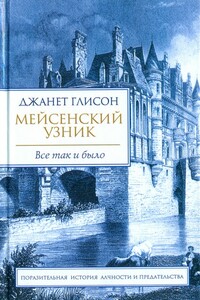
Безжалостный король Август Сильный заточил в своем замке юного аптекаря Иоганна Фридриха Бёттгера. Тот должен открыть тайну получения золота из свинца, а неуспех будет стоить ему жизни. Бёттгер не сумел осуществить мечту алхимиков, зато получил рецепт фарфора — экзотической и загадочной субстанции, называемой «белым золотом». И ради того чтобы его раздобыть многие современники готовы лгать, красть и даже убивать…

В основе исторического детектива – реальные события, произошедшие в Инсбруке в ноябре 1904 года. Всего один день и одна жертва! Но случившееся там получило широкий резонанс. Мы вглядываемся в эту трагедию из дня нынешнего и понимаем, что мир тогда вступал в совершенно иную эпоху – в драматичный и жертвенный XX век, в войнах которого погибли миллионы. Инсбрукские события, по мнению автора, стали «симптомом всего, что произошло позднее и продолжает происходить до сих пор». Вот почему «Чёрная пятница Инсбрука», столь детально описанная, вызывает у читателя неподдельный интерес и размышления о судьбах мира.

1920-е годы, Англия. Знаменитый лондонский писатель с женой-американкой, следуя на отдых, волею случая оказываются в типично английской глубинке. Их появление совпадает с загадочным и зловещим происшествием. Маленький уютный городок взбудоражен гибелью при весьма туманных обстоятельствах старшей дочери самого богатого и влиятельного человека в графстве, хозяина поместья Ланарк-Грэй-Холл. Слухи приписывают «авторство» преступления ужасному чудовищу из старинной легенды. Но вместо того, чтобы поскорее бежать подальше от опасных мест, приезжие «туристы» решают остаться.

Судьба молодой чешки Маркеты была предопределена с самого ее рождения. Дочь цирюльника, а также владельца бани, она должна была, как и ее мать, стать банщицей – помогать посетителям мыться и позволять им всевозможные вольности. Но однажды ее судьба круто изменилась…В городок, где жила Маркета, привезли на лечение внебрачного сына императора Рудольфа II, дона Юлия, подверженного страшным приступам безумия. Ему требовались лечебные кровопускания, которые и должен был производить местный цирюльник – отец Маркеты.
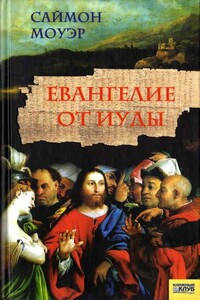
Неподалеку от Иерусалима во время археологических раскопок обнаружен бесценный свиток — «Евангелие от Иуды». Расшифровка текста поручена католическому священнику Лео Ньюману. Лео переживает кризис веры в Бога. Он понимает: если свиток будет признан аутентичным, это пошатнет основы христианства и скажется на судьбах миллионов верующих… Священник задается вопросом: что важнее — спокойствие незнания или Истина?Действие романа то забегает вперед, повествуя о жизни Лео после своеобразного воскрешения, то возвращается в фашистский Рим 1943 года.
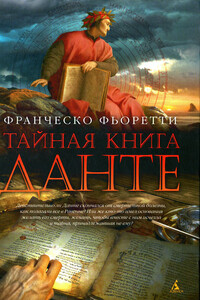
Впервые на русском языке «Тайная книга Данте», роман Франческо Фьоретти, представителя нового поколения в итальянской литературе, одного из наследников Умберто Эко.Действительно ли Данте скончался от смертельной болезни, как полагали все в Равенне? Или же кто-то имел основания желать его смерти, желать, чтобы вместе с ним исчезла и тайна, принадлежавшая не ему? Мучимые сомнениями, дочь поэта Антония, бывший тамплиер по имени Бернар и врач Джованни, приехавший из Лукки, чтобы повидаться с поэтом, начинают двойное расследование.