Stone Cold Red Hot - [42]
Bloody ‘ell!
I nodded, go on.
“He’d been very kind, very thoughtful. Helping in the garden and…well, Gordon, my husband, was away a lot, he was a rep, covered the whole of the North, right up to Scotland. I was lonely, I was very young,” she raised her eyes to me. “But I hadn’t thought of him in that way. Then one day, he found me crying, you see,” she studied the floor again, “I was so unhappy and he comforted me. One thing led to another. It got out of control. I don’t know how. It was very physical, very powerful. It was an awful shock for both of us. We promised it would never happen again, we tried to stop.”
She smiled grimly. “It didn’t make either of us happy, just the opposite, really. It was awful. We both knew it was wrong, that we might hurt other people. And Frank being so respected in the church and all that. But there was this attraction, a sexual thing. Like a compulsion, an addiction. We needed each other. We’d stop and try and get on with our lives but all I could think about was Frank. I never sought him out, though,” she added hastily. “Days would go by, weeks sometimes and then he’d come back. Desperate. I couldn’t refuse him, I wanted him. No-one had ever made me feel that way – physically, I mean. He said the same. I don’t think he and Barbara had much of a marriage by then. Even when my mind was telling me it was wrong, my body was obsessed with him. And it would start all over again. The sex, then the guilt and the promises.”
“How long did this go on?”
“About a year. Then Jennifer found out, I don’t know how,” she pre-empted me. “Frank came round, he said Barbara knew, that Jennifer had found out.”
“And after that?”
“They cut me dead. I couldn’t blame them. But it was terrible. I was so lonely and I couldn’t talk to Gordon about any of it.”
“Who cut you dead?”
“Frank and Barbara.”
“And Jennifer?”
“She’d gone to university I got very depressed, more depressed. I told Gordon we had to move, that I didn’t like the house. It didn’t matter to him, we could move further north, better for his job. We put it on the market, it took forever to find the right buyers,” she shuddered. She sat before me ashen-faced, hunched over, still plagued by the wretched emotions dredged up recalling that miserable affair. The whine outside stopped and suddenly the room was full of silence.
“Frank got ill,” I said.
“He wasn’t the only one,” she retorted bitterly. She hid her face with her hands for a moment, then reappeared. “I’m sorry, that wasn’t fair. Yes, it was his heart, they said. You can see why I didn’t want to discuss any of this, it’s nothing but bad memories for me.” She tilted her head to listen. Wondering where her husband was now. “You better go,” she said nervously. “Please.”
I thanked her for her time and prepared to leave.
“So Jennifer is missing?” she asked. Re-gaining the ground of polite conversation even as she willed me to be gone.
“Yes, she’s been estranged from the family and now her brother Roger wants to find her.”
She nodded.
And how on earth, I thought, do I tell him about you?
I barely noticed the traffic on the drive back to Manchester, though now and again some prat would pull out in front of me at the last minute forcing me to brake or veer into the outside lane. Then I’d curse and huff and puff and wait for my skin to settle back round my body. But for most of the journey my mind was buzzing with activity spinning scenes from the new facts I’d uncovered.
I was convinced that I was much nearer to solving one part of the riddle. I now had two possible explanations for Jennifer calling her father a hypocrite. Either because she had discovered her own illegitimate status and his reaction to her pregnancy was unjust, or because of his adultery. Thou shalt not covet thy neighbour’s wife. She’d caught him breaking all the rules, betraying his family, breaking the commandment. That was when she’d rung Lisa.
How had Jennifer found out? Perhaps she’d called round one day, some errand for her mother, to borrow something or deliver a wrongly delivered letter. Only to find that her father was there, when he should be at the office or at church. The atmosphere at the Shuttles, the fleeting guilt of his greeting enough to alert the bright, young woman to the truth of the situation. But if that was how it happened Mrs Shuttle would have remembered, it’d be blazoned into her memory. OK. Same situation but Jennifer heard voices, her father’s as well, or sounds of love-making as she reached the house. Peered through the letter-box to see. Heard her father’s name called in passion, saw his briefcase in the hall, witnessed an embrace, there they were kissing, groping, screwing. The hypocrite.
Had Jennifer had told her mother? I’d no reason to think of Jennifer as vindictive but families don’t always bring out the best in people. Had she tackled her father? Or had she let it stew for a while, fermenting inside, pressure building until in the midst of an argument she’d blown her top and pointed the finger?
And how would her father have reacted? She was jeopardising everything: his marriage, his integrity, his status in the church and in business. I felt a lurch of anxiety and adrenalin prickled along my forearms. Had he tried to shut her up, stop her telling her mother? Had Jennifer flung the fact of her own pregnancy at him? You forgave her, so forgive me. Had she told him about Maxwell Jones? He’s black but I’m not ashamed of it, I’m not prejudiced like you. Had she threatened to unmask him in the rush of her anger? Had he prevented her?

1960, Manchester. Three young Catholic women find themselves pregnant and unmarried. In these pre-Pill days, there is only one acceptable course of action: adoption. So Megan, Caroline and Joan meet up in St Ann's Home for Unmarried Mothers to await the births of their babies. Three little girls are born, and placed with their adoptive families. Trio follows the lives of these mothers and daughters over the ensuing years.
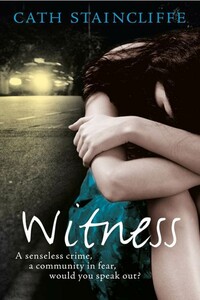
"A painfully honest exploration of an ordinary family under stress… A stunning piece of work." – Ann CleevesFour bystanders in the wrong place at the wrong time. Witnesses to the shocking shooting of a teenage boy. A moment that changes their lives forever. Fiona, a midwife, is plagued by panic attacks and unable to work. Has she the strength to testify? Mike, a delivery driver and family man, faces an impossible decision when his frightened wife forces him to choose – us or the court case. Cheryl, a single-mother, doesn't want her child to grow up in the same climate of fear.
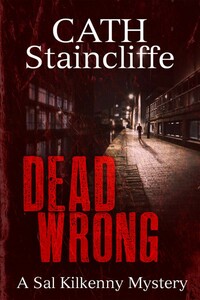
Single mother and private eye, Sal Kilkenny, has two very frightened clients on her hands. One, young mother Debbie Gosforth, is a victim; the other, Luke Wallace, is afraid he is a murderer. While Sal tries to protect Debbie from a stalker, she has to investigate the murder of Luke's best friend.

The fourth Blue Murder novel written by the creator of the hit ITV police drama starring Caroline Quentin as DCI Janine Lewis.A well-respected family GP is found shot dead outside his surgery; who could possibly want to kill him? As DCI Janine Lewis and her team investigate they uncover stories of loyalty, love, deception, betrayal and revenge.Praise for the Blue Murder books'Complex and satisfying in its handling of Lewis's agonised attempts to be both a good cop and a good mother.' The Sunday Times'Uncluttered and finely detailed prose.' Birmingham Post'Beautifully realised little snapshots of the different characters' lives… Compelling stuff.' Sherlock Magazine'A swift, satisfying read.' City Life'Precise and detailed delineation of contemporary family relationships.' Tangled Web'Lewis seems set to become another very popular string to Staincliffe's bow as one of the leading English murder writers.' Manchester Metro'Pace and plenty of human interest.' Publishing News'Blending the warmth of family life with the demands of a police investigation.'Manchester Evening News'Juggling work and family is a challenge of modern life and encountering realistically portrayed women with family responsibilities is a pleasure.

Your husband, your family, your freedom. What would you sacrifice for love? A love story, a modern nightmare and an honest and incisive portrayal of a woman who honours her husband's wish to die and finds herself in the dock for murder.When Deborah reluctantly helps her beloved husband Neil end his life and conceals the truth, she is charged with murder. As the trial unfolds and her daughter Sophie testifies against her, Deborah, still reeling with grief, fights to defend her actions. Twelve jurors hold her fate in their hands, if found guilty she will serve a life sentence.
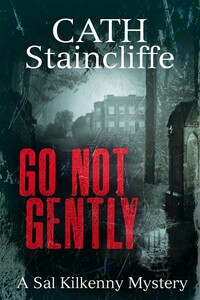
From the author of LOOKING FOR TROUBLE, a further crime novel featuring private investigator Sal Kilkenny. When a man is distraught at his wife's apparent infidelity, he enlists the help of Sal to confirm his suspicions, only to find himself a widower soon afterwards. From there Sal's other case also begins to take a disturbing and violent turn.

Будущее Джимми Кьюсака, талантливого молодого финансиста и основателя преуспевающего хедж-фонда «Кьюсак Кэпитал», рисовалось безоблачным. Однако грянул финансовый кризис 2008 года, и его дело потерпело крах. Дошло до того, что Джимми нечем стало выплачивать ипотеку за свою нью-йоркскую квартиру. Чтобы вылезти из долговой ямы и обеспечить более-менее приличную жизнь своей семье, Кьюсак пошел на работу в хедж-фонд «ЛиУэлл Кэпитал». Поговаривали, что благодаря финансовому гению его управляющего клиенты фонда «никогда не теряют свои деньги».

Очнувшись на полу в луже крови, Роузи Руссо из Бронкса никак не могла вспомнить — как она оказалась на полу номера мотеля в Нью-Джерси в обнимку с мертвецом?

Действие романа происходит в нулевых или конце девяностых годов. В книге рассказывается о расследовании убийства известного московского ювелира и его жены. В связи с вступлением наследника в права наследства активизируются люди, считающие себя обделенными. Совершено еще два убийства. В центре всех событий каким-то образом оказывается соседка покойных – молодой врач Наталья Голицына. Расследование всех убийств – дело чести майора Пронина, который считает Наталью не причастной к преступлению. Параллельно в романе прослеживается несколько линий – быт отделения реанимации, ювелирное дело, воспоминания о прошедших годах и, конечно, любовь.

Егор Кремнев — специальный агент российской разведки. Во время секретного боевого задания в Аргентине, которое обещало быть простым и безопасным, он потерял всех своих товарищей.Но в его руках оказался секретарь беглого олигарха Соркина — Михаил Шеринг. У Шеринга есть секретные бумаги, за которыми охотится не только российская разведка, но и могущественный преступный синдикат Запада. Теперь Кремневу предстоит сложная задача — доставить Шеринга в Россию. Он намерен сделать это в одиночку, не прибегая к помощи коллег.

Опорск вырос на берегу полноводной реки, по синему руслу которой во время оно ходили купеческие ладьи с восточным товаром к западным и северным торжищам и возвращались опять на Восток. Историки утверждали, что название городу дала древняя порубежная застава, небольшая крепость, именованная Опорой. В злую годину она первой встречала вражьи рати со стороны степи. Во дни же затишья принимала застава за дубовые стены торговых гостей с их товарами, дабы могли спокойно передохнуть они на своих долгих и опасных путях.

Из экспозиции крымского художественного музея выкрадены шесть полотен немецкого художника Кингсховера-Гютлайна. Но самый продвинутый сыщик не догадается, кто заказчик и с какой целью совершено похищение. Грабители прошли мимо золотого фонда музея — бесценной иконы «Рождество Христово» работы учеников Рублёва и других, не менее ценных картин и взяли полотна малоизвестного автора, попавшие в музей после войны. Читателя ждёт захватывающий сюжет с тщательно выписанными нюансами людских отношений и судеб героев трёх поколений.