Stone Cold Red Hot - [33]
I looked at the letter again and tried to adjust my view of events to fit. I must erase the part about Jennifer going off to university. Why hadn’t she gone? Her grades were good, people said she was excited about the move away, looking forward to it by all accounts. The pregnancy must have changed things. Did this mean she hadn’t had an abortion but had decided to keep the baby, or at least continue the pregnancy? Where had Jennifer gone if not to Keele? To a mother and baby home? Couldn’t she have deferred her course for a year while she had the baby?
I picked up the little mosaic vase that Mrs Clerkenwell had given me and turned it to and fro, examining the tiny fragments of glass mosaic the glinting gold pieces, the irregular colours of the small tiles. It felt cool to the touch. Together the broken pieces made something whole thanks to the craft of its maker. My work felt like that, lots of bits that needed matching together; facts, secrets, hearsay, rumours, all needed fixing in the right place, juxtaposing with the others until the true shape could be discerned. I was re-creating truth not beauty. And truth could be hideous or poignant or whimsical or mundane.
I felt uneasy about the job. It had been hard enough at the outset with so many years since anyone had seen Jennifer but now to find that one of the few facts I had to work with was false made it feel even more of a lost cause. I shivered. The office suddenly felt small, cold and confining.
I rubbed my eyes, got up and switched on the heater, looked at the list I’d made first thing. Tell insurance, borrow car. Who from? Diane didn’t have a car, she roped me in everytime she had to transport frames or canvases or collect new tubs of inks and chemicals. Ray hadn’t got one at the moment, he borrowed mine too and more recently made use of Laura’s. Everyone I could think of who had a car actually used it and wouldn’t be prepared to lend it out. I thought about the next few days. Most of my appointments could be done by bicycle. I should be able to manage. If Mr Poole rang again I’d get a taxi.
That reminded me to get the tape off to Mandy Bellows. I’d brought it to the office. I replayed a section of it in the camera to check that it was reasonable quality. It was. I could make out the individuals, cocky faces sneering as they took turns to ram the ball against the house. I packed the tape in a jiffy bag and rang the courier service I use.
Then I rang the insurers and began the long, slow process of giving them all the details they needed about my stolen car.
Once the courier had called I got ready to leave. There was a noise upstairs, someone coming in. Unusual, as Grant and Jackie Dobson are teachers and rarely home when I am there, and their daughters are at school.
I went upstairs quietly, feeling foolish at how hard my heart was beating. There was someone in the kitchen. I positioned myself near the front door before calling out, “Hello?”
“Sal?” a husky voice replied and Vicky Dobson, the eldest daughter, popped her head round the door. “Hiya. I’ve just got back. Don’t come too near, I need a bath, seriously.” Vicky had been doing the festivals; Glastonbury, Reading, WOMAD and had gone backpacking round Europe in-between. She looked the part; muddy blonde dreadlocks, a set of rings in each nostril, enough in her ears to hang curtains on, a stud in her eyebrow, distressed clothing, acid green Doc Martens. She looked great.
“Good trip?”
“Top. I’m knackered. And starving. I must eat – you want anything?”
“No, I’ve got to get going. See you soon.”
Frances Delaney had a baby draped over her shoulder when she answered the door. “Typical,” she said, “he always sleeps at this time, until I arrange something. Come in.”
“Don’t worry,” I said, “mine was just the same.”
“How many have you got?”
“Oh, only the one of my own but we share a house so there’s a little boy as well.”
“I’ve four,” she said, “well, four at the moment.”
“You’re having another?”
She smiled. “I always wanted a big family, sometimes you get what you want.”
We sat in a large room, strewn with baby gear and children’s toys. There was a distinct smell to indicate she’d just changed a nappy. She wore a shapeless, navy jogging suit and moccasin slippers. Her dark wiry hair was pulled back in a yellow hair band. The baby wriggled on her shoulder, she rocked and patted its bottom. She looked ridiculously happy.
I asked her to tell me about the weeks before Jennifer left. I wouldn’t let on to Frances that Jennifer had never gone to Keele; it was my job to find things out not divulge them. Roger Pickering was paying my way and any information belonged to him first and foremost.
“I remember it well, actually, with it being so hot. It was incredible, everything drying up. We used to watch her father watering his plants, every night after work he’d be out there.”
Like my Dad with his vegetables.
“You watched him?” I was trying to picture where the girls had been.
“From my room, it overlooked the gardens. Jenny would come round a lot, our house was right at the back of theirs. We could see across to each others bedrooms.” The baby grizzled and made climbing motions, the stretch fabric of the baby-gro outlining his small limbs and feet. Frances shifted him onto her lap, laid him across her knees on his stomach and stroked his back. His head bobbed like those nodding dogs people used to have in the back window of their cars.

1960, Manchester. Three young Catholic women find themselves pregnant and unmarried. In these pre-Pill days, there is only one acceptable course of action: adoption. So Megan, Caroline and Joan meet up in St Ann's Home for Unmarried Mothers to await the births of their babies. Three little girls are born, and placed with their adoptive families. Trio follows the lives of these mothers and daughters over the ensuing years.
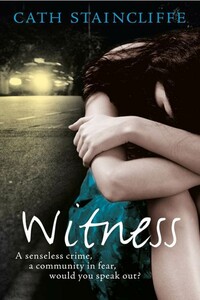
"A painfully honest exploration of an ordinary family under stress… A stunning piece of work." – Ann CleevesFour bystanders in the wrong place at the wrong time. Witnesses to the shocking shooting of a teenage boy. A moment that changes their lives forever. Fiona, a midwife, is plagued by panic attacks and unable to work. Has she the strength to testify? Mike, a delivery driver and family man, faces an impossible decision when his frightened wife forces him to choose – us or the court case. Cheryl, a single-mother, doesn't want her child to grow up in the same climate of fear.
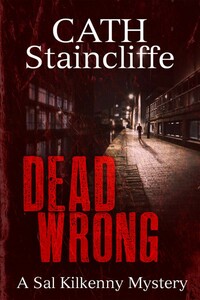
Single mother and private eye, Sal Kilkenny, has two very frightened clients on her hands. One, young mother Debbie Gosforth, is a victim; the other, Luke Wallace, is afraid he is a murderer. While Sal tries to protect Debbie from a stalker, she has to investigate the murder of Luke's best friend.
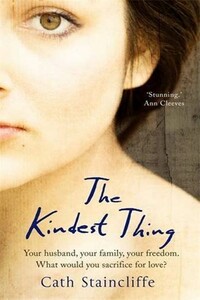
Your husband, your family, your freedom. What would you sacrifice for love? A love story, a modern nightmare and an honest and incisive portrayal of a woman who honours her husband's wish to die and finds herself in the dock for murder.When Deborah reluctantly helps her beloved husband Neil end his life and conceals the truth, she is charged with murder. As the trial unfolds and her daughter Sophie testifies against her, Deborah, still reeling with grief, fights to defend her actions. Twelve jurors hold her fate in their hands, if found guilty she will serve a life sentence.
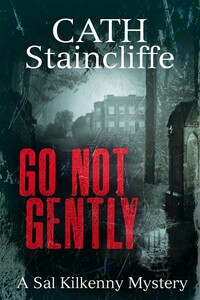
From the author of LOOKING FOR TROUBLE, a further crime novel featuring private investigator Sal Kilkenny. When a man is distraught at his wife's apparent infidelity, he enlists the help of Sal to confirm his suspicions, only to find himself a widower soon afterwards. From there Sal's other case also begins to take a disturbing and violent turn.

The fourth Blue Murder novel written by the creator of the hit ITV police drama starring Caroline Quentin as DCI Janine Lewis.A well-respected family GP is found shot dead outside his surgery; who could possibly want to kill him? As DCI Janine Lewis and her team investigate they uncover stories of loyalty, love, deception, betrayal and revenge.Praise for the Blue Murder books'Complex and satisfying in its handling of Lewis's agonised attempts to be both a good cop and a good mother.' The Sunday Times'Uncluttered and finely detailed prose.' Birmingham Post'Beautifully realised little snapshots of the different characters' lives… Compelling stuff.' Sherlock Magazine'A swift, satisfying read.' City Life'Precise and detailed delineation of contemporary family relationships.' Tangled Web'Lewis seems set to become another very popular string to Staincliffe's bow as one of the leading English murder writers.' Manchester Metro'Pace and plenty of human interest.' Publishing News'Blending the warmth of family life with the demands of a police investigation.'Manchester Evening News'Juggling work and family is a challenge of modern life and encountering realistically portrayed women with family responsibilities is a pleasure.

Опорск вырос на берегу полноводной реки, по синему руслу которой во время оно ходили купеческие ладьи с восточным товаром к западным и северным торжищам и возвращались опять на Восток. Историки утверждали, что название городу дала древняя порубежная застава, небольшая крепость, именованная Опорой. В злую годину она первой встречала вражьи рати со стороны степи. Во дни же затишья принимала застава за дубовые стены торговых гостей с их товарами, дабы могли спокойно передохнуть они на своих долгих и опасных путях.

Как часто вы ловили себя на мысли, что делаете что-то неправильное? Что каждый поступок, что вы совершили за последний час или день, вызывал все больше вопросов и внутреннего сопротивления. Как часто вы могли уловить скольжение пресловутой «дорожки»? Еще недавний студент Вадим застает себя в долгах и с безрадостными перспективами. Поиски заработка приводят к знакомству с Михаилом и Николаем, которые готовы помочь на простых, но весьма странных условиях. Их мотивация не ясна, но так ли это важно, если ситуация под контролем и всегда можно остановиться?

Из экспозиции крымского художественного музея выкрадены шесть полотен немецкого художника Кингсховера-Гютлайна. Но самый продвинутый сыщик не догадается, кто заказчик и с какой целью совершено похищение. Грабители прошли мимо золотого фонда музея — бесценной иконы «Рождество Христово» работы учеников Рублёва и других, не менее ценных картин и взяли полотна малоизвестного автора, попавшие в музей после войны. Читателя ждёт захватывающий сюжет с тщательно выписанными нюансами людских отношений и судеб героев трёх поколений.

Александра никому не могла рассказать правду и выдать своего мужа. Однажды под Рождество Роман приехал домой с гостем, и они сразу направились в сауну. Александра поспешила вслед со свежими полотенцами и халатами. Из открытого окна клубился пар и были слышны голоса. Она застыла, как соляной столп и не могла сделать ни шага. Голос, поразивший её, Александра узнала бы среди тысячи других. И то, что обладатель этого голоса находился в их доме, говорил с Романом на равных, вышибло её из равновесия, заставило биться сердце учащённо.

Валентин Владимиров живет тихой семейной жизнью в небольшом городке. Но однажды семья Владимировых попадает в аварию. Жена и сын погибают, Валентин остается жив. Вскоре виновника аварии – сына известного бизнесмена – находят задушенным, а Владимиров исчезает из города. Через 12 лет из жизни таинственным образом начинают уходить те, кто был связан с ДТП. Поговаривают, что в городе завелась нечистая сила – привидение со светящимся глазами безжалостно расправляется со своими жертвами. За расследование берется честный инспектор Петров, но удастся ли ему распутать это дело?..

Если вы снимаете дачу в Турции, то, конечно, не ждете ничего, кроме моря, солнца и отдыха. И даже вообразить не можете, что столкнетесь с убийством. А турецкий сыщик, занятый рутинными делами в Измире, не предполагает, что очередное преступление коснется его собственной семьи и вынудит его общаться с иностранными туристами.Москвичка Лана, приехав с сестрой и ее сыном к Эгейскому морю, думает только о любви и ждет приезда своего возлюбленного, однако гибель знакомой нарушает безмятежное течение их отпуска.