The Last Confession of Thomas Hawkins - [9]
I headed downstairs, stomach rumbling. Dinner – that would help banish the gloom. I poked my head into the shop but Kitty had vanished, replaced by… ‘Ah, damn you. There you are.’
Sam was reading a book of anatomy, black curls falling across his face. His gaze slid briefly to mine, then dropped back down to an illustration of the heart, labelled in close detail.
I tapped the page. ‘So. You’re learning the mysteries of the human heart.’
‘Ventricles.’
A month ago I would have been perplexed by this response. But I had learned to form sentences around the odd word he deigned to expel into the air. In this case: ‘No, sir. I am not studying the mysteries of the human heart, but its mechanics. Including, for example, ventricles, a word I will now say out loud for my own unfathomable amusement.’
His lips curved into a faint smile.
‘Where’s Mistress Sparks?’
Nothing.
‘The magistrate paid us a visit. Mr Burden accused you of breaking into his house. He claimed Stephen saw you – though Stephen denied it. What do you say to that?’
Nothing.
‘I defended you. Miss Sparks lied for you. Sam,’ I prompted, exasperated. ‘When a gentleman defends you against an accusation of theft, it’s customary to express gratitude. Much obliged to you, sir, for example. Thank you, Mr Hawkins, for defending my character. I am in your debt.’
Sam closed his book. ‘Bliged.’
Just one vowel short of a word. A triumph. When Sam first arrived at the Cocked Pistol I’d thought he was shy with strangers, or missing his home and family. As the days had passed, I’d come to realise that this was his natural temperament. He was a strange boy, no doubt – but I had not considered him a danger to the house. Had I been too trusting of him?
I was about to venture out in search of a decent meal when a young lad entered the shop. His clothes were badly patched but clean, and he was well fed. One of James Fleet’s boys. I glanced at Sam and caught the slightest flicker of fear in his eyes. Afraid of his father? Well – he was not alone in that.
The boy handed me a slip of paper.
Hawkins. I have something for you. Come at once. Bring Sam.
I paid the boy and sent him on his way. I could feel Sam’s gaze upon the note from across the room.
‘Your father wishes to see you.’
His brows twitched. Ach, I knew that anxiety well enough. Tell a boy his father has summoned him and nine times out of ten it’s trouble. I’d spent half my childhood in my father’s study, staring at the floor while he expounded upon my failings. Weak. Obstinate. Wilful.
‘I’ll change,’ Sam said.
I blinked, confused – as if he had somehow read my mind. By the time I understood him he had slipped around the counter and was climbing the stairs to his garret room.
‘You are dressed well enough,’ I called up to him.
‘Too well.’
A good point. I returned to my own room and threw on my drabbest waistcoat and breeches, and a fraying, mouse-coloured greatcoat. No silver buttons, no embroidery. Not for a trip to St Giles.
>
St Giles is barely a ten-minute stride from Covent Garden but it might as well be another country. The Garden is not without its perils – especially at night – but the stews of St Giles contain some of the deadliest streets in the city. The last time I’d ventured in I had crawled out again upon my hands and knees, battered and bloody, lucky to be alive. I had been led there by a linkboy I’d paid to light my way home. Instead he had tricked me, leading me through the twisting maze of verminous streets into an ambush, where I had been robbed and beaten.
The same boy was at my side today.
Sam’s father, James Fleet, was captain of the most powerful gang of thieves in St Giles. I would call them infamous, but their success hinged upon the quiet, secret way they went about their business. Fleet was careful not to make a name for himself, except where it mattered: whispered in the shadows. While other gangs swaggered about the town boasting of their deeds, Fleet’s men were stealthy, silent and – if caught – never peached another gang member. For ten years James Fleet had ruled St Giles – and barely a soul knew it.
As we left Drury Lane and crossed St Giles’s road I put a hand on Sam’s shoulder. It was a little over three months since he had led me into the stews. I was tolerably certain I’d forgiven him. We had been strangers at the time, after all – and indeed his father had made amends, later. But I still remembered the look of pride and curiosity on Sam’s face as I was beaten to the ground. The satisfaction of having pleased his pa. ‘Do you remember the last time you brought me here?’
He tilted his face and looked up at me, black eyes cool and unwavering. ‘Yes.’
‘You’ve never apologised for it.’
He thought about this for a moment. ‘No.’
I gave up.
The city streets are never fragrant, but St Giles wins the honour of being the foulest-smelling borough in London. It is impossible to walk a straight line – one must gavotte around the piles of shit, the clotting pools of blood, men lying drunk or dying in the filth. Sam weaved through it all with an easy tread, while I caught my heel in something so rancid I almost added my own vomit to the street. I reached for my pocket handkerchief, then thought better of it. There would be narrow eyes watching us from every alleyway, every rooftop. I did not want to enter St Giles waving my hankie to my nose like some ridiculous fop.

WINNER OF THE CWA HISTORICAL DAGGER AWARD 2014.Longlisted for the John Creasey Dagger Award for best debut crime novel of 2014.London, 1727 – and Tom Hawkins is about to fall from his heaven of card games, brothels, and coffeehouses to the hell of a debtors' prison. The Marshalsea is a savage world of its own, with simple rules: those with family or friends who can lend them a little money may survive in relative comfort. Those with none will starve in squalor and disease. And those who try to escape will suffer a gruesome fate at the hands of the gaol's rutheless governor and his cronies.The trouble is, Tom Hawkins has never been good at following rules – even simple ones.
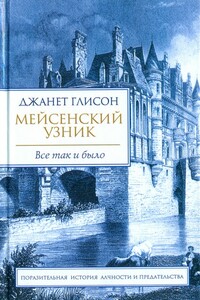
Безжалостный король Август Сильный заточил в своем замке юного аптекаря Иоганна Фридриха Бёттгера. Тот должен открыть тайну получения золота из свинца, а неуспех будет стоить ему жизни. Бёттгер не сумел осуществить мечту алхимиков, зато получил рецепт фарфора — экзотической и загадочной субстанции, называемой «белым золотом». И ради того чтобы его раздобыть многие современники готовы лгать, красть и даже убивать…

В основе исторического детектива – реальные события, произошедшие в Инсбруке в ноябре 1904 года. Всего один день и одна жертва! Но случившееся там получило широкий резонанс. Мы вглядываемся в эту трагедию из дня нынешнего и понимаем, что мир тогда вступал в совершенно иную эпоху – в драматичный и жертвенный XX век, в войнах которого погибли миллионы. Инсбрукские события, по мнению автора, стали «симптомом всего, что произошло позднее и продолжает происходить до сих пор». Вот почему «Чёрная пятница Инсбрука», столь детально описанная, вызывает у читателя неподдельный интерес и размышления о судьбах мира.

1920-е годы, Англия. Знаменитый лондонский писатель с женой-американкой, следуя на отдых, волею случая оказываются в типично английской глубинке. Их появление совпадает с загадочным и зловещим происшествием. Маленький уютный городок взбудоражен гибелью при весьма туманных обстоятельствах старшей дочери самого богатого и влиятельного человека в графстве, хозяина поместья Ланарк-Грэй-Холл. Слухи приписывают «авторство» преступления ужасному чудовищу из старинной легенды. Но вместо того, чтобы поскорее бежать подальше от опасных мест, приезжие «туристы» решают остаться.

Судьба молодой чешки Маркеты была предопределена с самого ее рождения. Дочь цирюльника, а также владельца бани, она должна была, как и ее мать, стать банщицей – помогать посетителям мыться и позволять им всевозможные вольности. Но однажды ее судьба круто изменилась…В городок, где жила Маркета, привезли на лечение внебрачного сына императора Рудольфа II, дона Юлия, подверженного страшным приступам безумия. Ему требовались лечебные кровопускания, которые и должен был производить местный цирюльник – отец Маркеты.
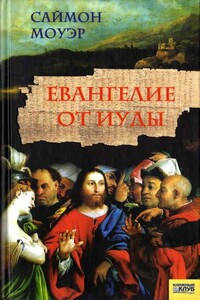
Неподалеку от Иерусалима во время археологических раскопок обнаружен бесценный свиток — «Евангелие от Иуды». Расшифровка текста поручена католическому священнику Лео Ньюману. Лео переживает кризис веры в Бога. Он понимает: если свиток будет признан аутентичным, это пошатнет основы христианства и скажется на судьбах миллионов верующих… Священник задается вопросом: что важнее — спокойствие незнания или Истина?Действие романа то забегает вперед, повествуя о жизни Лео после своеобразного воскрешения, то возвращается в фашистский Рим 1943 года.
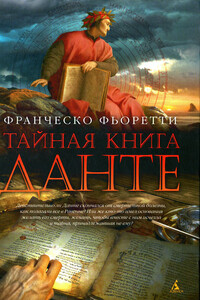
Впервые на русском языке «Тайная книга Данте», роман Франческо Фьоретти, представителя нового поколения в итальянской литературе, одного из наследников Умберто Эко.Действительно ли Данте скончался от смертельной болезни, как полагали все в Равенне? Или же кто-то имел основания желать его смерти, желать, чтобы вместе с ним исчезла и тайна, принадлежавшая не ему? Мучимые сомнениями, дочь поэта Антония, бывший тамплиер по имени Бернар и врач Джованни, приехавший из Лукки, чтобы повидаться с поэтом, начинают двойное расследование.