The Last Confession of Thomas Hawkins - [11]
At the top of the house we pulled ourselves through a trapdoor onto the roof, wind gusting fresh air on our faces. From up here we could see the city stretching into the distance, the dome of St Paul’s far away to the east. Even Sam couldn’t resist. He paused to look out over his father’s estate, balancing lightly on a damp board that ran between two of the houses. A look settled upon his face that I recognised well – the joy and anxiety of coming home.
‘Your father will be pleased to see you,’ I called out.
He spun nimbly on the beam. ‘Stephen. He denied seeing the thief?’
Good God, it was bad enough that he barely spoke. Even worse when he hodge-podged conversations in such an eccentric fashion. ‘He said it was too dark to be sure.’
Sam smiled. Then he padded over the beam onto the next roof.
The gambler in me found all of this exhilarating – slipping across rooftops through the deadliest part of the city. Was this not life? Was this not something to make the heart beat faster? A quieter voice counselled that such risks may be exhilarating, but were not conducive to a long life. Oh, and for God’s sake – don’t look down.
Sam was a few paces ahead of me, perched at the edge of the roof, staring down at a courtyard below. The houses huddled together to create a tiny, secret square in the middle. Sam rolled his shoulders. Stepped on to the ledge. And jumped.
I gave a shout of alarm and scrambled to the edge. Beneath me, about ten feet down, Sam had landed neatly on the balcony of a modest wooden house built in the heart of the square. Being two stories shorter than the houses surrounding it, there was no way of seeing it until you leaned right over the roof.
‘What am I to do?’ I called down.
Sam tipped back his hat. Crooked his finger.
‘Don’t jump for fuck’s sake,’ a voice growled through a window. A moment later, Sam’s father swung out onto the balcony. A short, strong man, he was dressed in a plain shirt and waistcoat, sleeves rolled. His head was bare, scalp dark with bristle. ‘You’ll break your neck. Or tear a hole in my roof. Then I’ll break your neck.’ He grinned and pushed a ladder out until it lodged firmly against the roof where I stood.
I tested it anxiously with my foot. ‘Will it take my weight?’
‘Takes mine.’
I considered the iron muscles of his arms and chest. He was a head shorter than me, but still at least a stone heavier. I took a deep breath and climbed down slowly, conscious that I was crossing the threshold arse first. Now there’s a way to make a man feel vulnerable. Intentional, no doubt.
Fleet’s den was the most curious place I had ever visited – so unlike a normal home that at first I could make no sense of it. The rooms at the top of the house had been knocked into one – or had been built that way. This one large, square room stretched right up to the pitched roof, with beams left open to crack your head upon. The balcony wrapped all the way around this top floor. From here one could throw a ladder onto any roof in the square or clamber down to the street by rope. It was a building designed for escape.
I presumed that this room served as a well-guarded meeting place for Fleet’s gang, but there were also hammocks slung from the beams and a grate in one corner with a leg of mutton roasting on a spit. My mouth watered at the smell of it.
Sam dropped his hat on a hammock and pushed a hand through his curls, watching his father from the corner of his eyes. Something unspoken hung in the air between them – a question or a threat. But then Fleet chuckled, and pulled Sam into a brief hug. He kissed the top of his son’s head, then shoved him away.
‘Gah! You smell like a whore. What do they wash you with, fucking rose water?’
‘Lavender,’ Sam replied, glaring at me as if I had spent the last month flogging him with razors.
I turned up my palms. ‘You wish your son to pass for a gentleman. That includes smelling like one.’
‘True enough,’ Fleet conceded. He gave Sam a friendly shove. ‘Run and see your mother.’
Sam hesitated. ‘Pa-’ He caught his father’s sharp look and left at once, scrambling out onto the balcony and climbing down a rope to the next floor rather than use the stairs.
Fleet waved me over to a seat by the fire. The smell of roast meat was almost too good to bear, but I knew better than to ask for a slice. It was not wise to be indebted to James Fleet – not even for a bite of mutton. I lit a pipe to stave off the hunger while he poured us both a mug of beer and settled down in the chair opposite. He was a handsome bull of a man, with a wide forehead and a sharp jaw line. He had the same striking black eyes as his son, but Sam’s features were almost delicate, set in a lean face with high cheekbones. There was nothing delicate about James Fleet. His face and hands were traced with scars – a map of old battles fought and won.
‘How’s Kitty?’ he asked, taking a swig of beer.
‘She’s well.’ My voice sounded thin.
He chuckled over his beer. ‘Don’t look so worried, Hawkins. I’m not going to eat her.’
I forced a smile. ‘You have a proposal for me?’

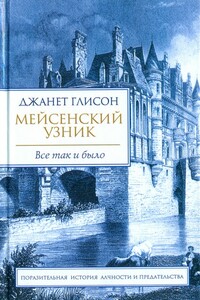
WINNER OF THE CWA HISTORICAL DAGGER AWARD 2014.Longlisted for the John Creasey Dagger Award for best debut crime novel of 2014.London, 1727 – and Tom Hawkins is about to fall from his heaven of card games, brothels, and coffeehouses to the hell of a debtors' prison. The Marshalsea is a savage world of its own, with simple rules: those with family or friends who can lend them a little money may survive in relative comfort. Those with none will starve in squalor and disease. And those who try to escape will suffer a gruesome fate at the hands of the gaol's rutheless governor and his cronies.The trouble is, Tom Hawkins has never been good at following rules – even simple ones.
Безжалостный король Август Сильный заточил в своем замке юного аптекаря Иоганна Фридриха Бёттгера. Тот должен открыть тайну получения золота из свинца, а неуспех будет стоить ему жизни. Бёттгер не сумел осуществить мечту алхимиков, зато получил рецепт фарфора — экзотической и загадочной субстанции, называемой «белым золотом». И ради того чтобы его раздобыть многие современники готовы лгать, красть и даже убивать…

В основе исторического детектива – реальные события, произошедшие в Инсбруке в ноябре 1904 года. Всего один день и одна жертва! Но случившееся там получило широкий резонанс. Мы вглядываемся в эту трагедию из дня нынешнего и понимаем, что мир тогда вступал в совершенно иную эпоху – в драматичный и жертвенный XX век, в войнах которого погибли миллионы. Инсбрукские события, по мнению автора, стали «симптомом всего, что произошло позднее и продолжает происходить до сих пор». Вот почему «Чёрная пятница Инсбрука», столь детально описанная, вызывает у читателя неподдельный интерес и размышления о судьбах мира.

1920-е годы, Англия. Знаменитый лондонский писатель с женой-американкой, следуя на отдых, волею случая оказываются в типично английской глубинке. Их появление совпадает с загадочным и зловещим происшествием. Маленький уютный городок взбудоражен гибелью при весьма туманных обстоятельствах старшей дочери самого богатого и влиятельного человека в графстве, хозяина поместья Ланарк-Грэй-Холл. Слухи приписывают «авторство» преступления ужасному чудовищу из старинной легенды. Но вместо того, чтобы поскорее бежать подальше от опасных мест, приезжие «туристы» решают остаться.

Судьба молодой чешки Маркеты была предопределена с самого ее рождения. Дочь цирюльника, а также владельца бани, она должна была, как и ее мать, стать банщицей – помогать посетителям мыться и позволять им всевозможные вольности. Но однажды ее судьба круто изменилась…В городок, где жила Маркета, привезли на лечение внебрачного сына императора Рудольфа II, дона Юлия, подверженного страшным приступам безумия. Ему требовались лечебные кровопускания, которые и должен был производить местный цирюльник – отец Маркеты.
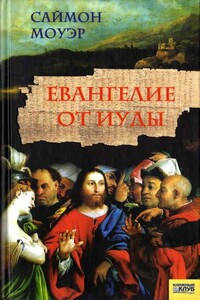
Неподалеку от Иерусалима во время археологических раскопок обнаружен бесценный свиток — «Евангелие от Иуды». Расшифровка текста поручена католическому священнику Лео Ньюману. Лео переживает кризис веры в Бога. Он понимает: если свиток будет признан аутентичным, это пошатнет основы христианства и скажется на судьбах миллионов верующих… Священник задается вопросом: что важнее — спокойствие незнания или Истина?Действие романа то забегает вперед, повествуя о жизни Лео после своеобразного воскрешения, то возвращается в фашистский Рим 1943 года.
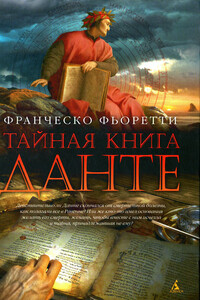
Впервые на русском языке «Тайная книга Данте», роман Франческо Фьоретти, представителя нового поколения в итальянской литературе, одного из наследников Умберто Эко.Действительно ли Данте скончался от смертельной болезни, как полагали все в Равенне? Или же кто-то имел основания желать его смерти, желать, чтобы вместе с ним исчезла и тайна, принадлежавшая не ему? Мучимые сомнениями, дочь поэта Антония, бывший тамплиер по имени Бернар и врач Джованни, приехавший из Лукки, чтобы повидаться с поэтом, начинают двойное расследование.