The Human Flies - [3]
DAY TWO: Seven Neighbours – and a Blue Raincoat With No Owner
I
I got up unusually early on Friday, 5 April 1968. By half past six I was seated at the breakfast table engaged in a fascinating discussion with my reflection in the coffee pot. We promptly agreed that this was a case I should not allow to be taken from me by the more senior detectives. They could be trusted to give me all the dull tasks, while they themselves took all the glory for solving the case. Fortunately, my boss usually came to work before them. And on that day, I even beat him to it. When he unlocked his office at the main police station in Oslo at a quarter to eight, I was already sitting ready in the corridor.
The commanding officer was a broad-minded man in his sixties who understood that it was important to encourage hard-working young men with inflated ambitions. He had, in fact, mentioned on several festive occasions that he himself had been just such an overambitious young fellow until his fiftieth birthday. It was therefore no surprise that he now found my enthusiasm and interest in the case to be praiseworthy. He agreed that it was certainly of no disadvantage that I had been the first inspector at the scene. And by the time the clock struck eight we had shaken hands and agreed that I would lead the investigation on my own and that the scope of my authorities would be extended in order to do so. I nodded hastily that I would of course seek advice from him and other more experienced colleagues should it be necessary. Then I strode confidently into my first murder investigation, intoxicated by the belief that it would bring me both honour and glory.
The Friday papers had little to report regarding the murder in 25 Krebs’ Street. Two of them carried a small notice about the murder, and one hinted, without mentioning any names, that the deceased was ‘a well-known and highly respected citizen with a background in the Resistance movement’. During my brief pit stop at 19 Møller Street that morning, the switchboard could already confirm that the media’s interest in the case was growing rapidly. Before leaving for Krebs’ Street, I therefore dashed out a short press release. First and foremost, it stated clearly that I had been given overall responsibility for the murder investigation. In addition, the press release confirmed that it was former cabinet minister and Resistance fighter Harald Olesen who had been shot and killed in his home in Krebs’ Street on the evening of 4 April, but in light of the ongoing investigation no further comment would be forthcoming.
On my arrival at the scene of the crime on the morning of 5 April, I began at the obvious starting point: a tidy little caretaker’s table just inside the front entrance. The caretaker’s wife who sat there was called Randi Hansen and was a small, plump, grey-haired woman in her early sixties. She lived in the caretaker’s one-bedroom flat in the basement. Her husband normally worked there as the caretaker, but, she informed me, was away that week. Their children had moved out many years ago, so she generally sat alone at her post in the entrance, a few steps down from the flats on the ground floor. She looked after 25 and 27 Krebs’ Street, alternating between the two, as well as managing all telephone calls to and from both buildings. As fortune would have it, she had been sitting in 25 Krebs’ Street on 4 April. She promised to stay at her post until the investigation had been closed.
Randi Hansen proved to be an exceptionally diligent individual who had noted everyone’s comings and goings that afternoon and evening. As with most caretakers’ wives, she knew the residents and their daily routines relatively well.
The caretaker’s wife was careful to point out that she only sat in this building every other day and that sometimes she was ill or had to leave her post for a few hours. However, she believed that her impressions of the residents and their activities were fairly accurate. I saw no reason to doubt this, but immediately noted that there was a 50 per cent chance that any visitors or incidents might pass unnoticed. Furthermore, from her position by the entrance it was not possible to see the doors to the flats or the hallway, even on the ground floor.
The murder victim, Harald Olesen, had lived on the second floor since before the war. As a cabinet minister, he had been one of the most famous people in this part of town and the pride of the street. In his later years, he had lived the quiet life of a pensioner, but still came and went with some irregularity. The caretaker’s wife had seen him together with many a national politician and well-known Resistance fighter over the years, but less often more recently. Visits from his relatives were also less frequent since his wife’s death five years ago. The caretaker’s wife thought that he had found it very hard to accept that he was a widower, despite outward appearances. With the exception of shopping trips to the Co-op on the corner, Olesen had started to go out less and less. He was a friendly and correct man who always greeted her with a nod as he passed. If he had laundry to be done, or required any other extra service, he always asked politely and paid well. The caretaker’s wife had never noticed any tension between him and the other residents. In fact, she found it hard to imagine who on earth would want to kill such a kind and respected pillar of the community.
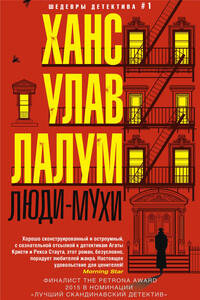
Убит бывший лидер норвежского Сопротивления и бывший член кабинета министров Харальд Олесен. Его тело обнаружено в запертой квартире, следов взлома нет, орудие убийства отсутствует. На звук выстрела к двери Олесена сбежались все соседи, но никого не увидели. Инспектор уголовного розыска Колбьёрн Кристиансен считает, что убийство, скорее всего, совершил кто-то из них. Более того, он полагает, что их показания лживы.
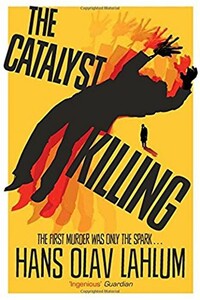
The third mystery in the hugely compelling, bestselling international crime series from Norway's answer to Agatha Christie, Hans Olav Lahlum, The Catalyst Killing will have you guessing to the final clue. The first murder was only the spark… 1970: Inspector Kolbjorn Kristiansen, known as K2, witnesses a young woman desperately trying to board a train only to have the doors close before her face. The next time he sees her, she is dead… As K2 investigates, with the help of his precocious young assistant Patricia, he discovers that the story behind Marie Morgenstierne's murder really began two years ago, when a group of politically active young people set out on a walking tour in the mountains.

From the international bestselling author, Hans Olav Lahlum, comes Chameleon People, the fourth murder mystery in the K2 and Patricia series.1972. On a cold March morning the weekend peace is broken when a frantic young cyclist rings on Inspector Kolbjorn 'K2' Kristiansen's doorbell, desperate to speak to the detective.Compelled to help, K2 lets the boy inside, only to discover that he is being pursued by K2's colleagues in the Oslo police. A bloody knife is quickly found in the young man's pocket: a knife that matches the stab wounds of a politician murdered just a few streets away.The evidence seems clear-cut, and the arrest couldn't be easier.

A gripping, evocative, and ingenious mystery which pays homage to Agatha Christie, Satellite People is the second Norwegian mystery in Hans Olav Lahlum's series. Oslo, 1969: When a wealthy man collapses and dies during a dinner party, Norwegian Police Inspector Kolbjorn Kristiansen, known as K2, is left shaken. For the victim, Magdalon Schelderup, a multimillionaire businessman and former resistance fighter, had contacted him only the day before, fearing for his life. It soon becomes clear that every one of Schelderup's 10 dinner guests is a suspect in the case.

«Вы где, ребята? Ответьте». Это последнее сообщение, которое семнадцатилетний Карвер Бриггс отправил своим лучшим друзьям Марсу, Эли и Блейку. Он не мог даже предположить, что из-за невинного смс его друзья погибнут. Теперь Карвер винит себя в автокатастрофе. И не он один – семьи его погибших друзей твердо намерены призвать Карвера к ответу. В попытке справиться с горем Карвер устраивает «дни прощаний» с Марсом, Эли и Блейком, по кусочкам собирая воспоминания о своих друзьях и самого себя – заново…
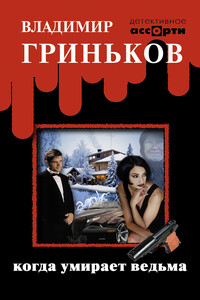
Новый роман Владимира Гринькова «Когда умирает ведьма» увлекает необычным колдовским сюжетом. Однако мистики в нем не больше, чем в жизни самых обычных людей. Девушка, которая делает все возможное и невозможное, чтобы получить высокооплачиваемую работу, частный детектив, богатый бизнесмен, журналист, специализирующийся на скандальной хронике, деревенская бабка-знахарка — судьбы героев причудливо переплетаются с тем, чтобы сложиться в единственную и неповторимую картину, предопределенную загадочной Судьбой.
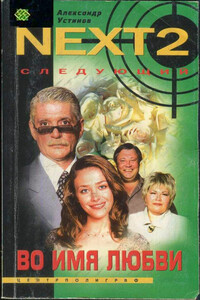
Книга написана по сценарию известного российского драматурга А.В. Тимма.Шайка Ангелины Виннер продолжает борьбу. Им удается похитить Ольгу Кирсанову, жену убитого хозяина «Империи». Сын Ольги Ваня ради спасения матери отказывается от своих прав на фирму. Враждебный лагерь празднует победу, но… преждевременно! В руках у Лавра козырная карта — завещание, и, обнародовав его, он ломает планы своих врагов. Остановятся ли бандиты, или кто-то снова окажется их следующей жертвой?
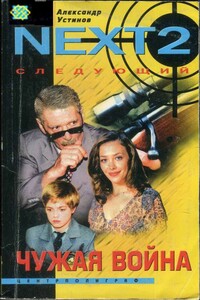
Книга написана по сценарию известного российского драматурга А.В. Тимма.Франц Хартман и Ангелина Виннер, подстроившие автокатастрофу, в которой погиб хозяин «Империи» Владимир Кирсанов, намерены идти до конца. Теперь они замышляют убийство его жены Ольги и несовершеннолетнего сына Вани, наследника «трона». Волею случая Лавру суждено сыграть роль доброго ангела в судьбе женщины и ребенка.
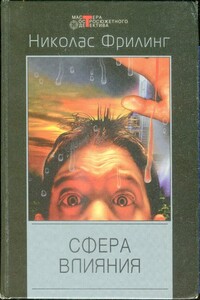
Обстоятельный и дотошный инспектор амстердамской полиции Ван дер Вальк расследует странное убийство домохозяйки («Ать-два!»). Героям известного автора детективов предстоят жестокие испытания, прежде чем справедливость восторжествует.

Книга написана по сценарию известного российского драматурга А.В. Тимма. На страницах романа вы встретитесь со старыми знакомыми, полюбившимися вам по сериалу «NEXT», — благородным и великодушным Лавром, его сыном Федором, добродушным весельчаком Санчо и решительной Клавдией. Увлекательное повествование вводит в мир героев, полный настоящих рыцарских подвигов и романтических приключений.