Стихи - [34]
And clouds atrayed their rank on rank
About his fading crimson ball:
The floor of Almhuin's hosting hall
Was not more level than the sea,
As, full of loving fantasy,
And with low murmurs, we rode on,
Where many a trumpet-twisted shell
That in immortal silence sleeps
Dreaming of her own melting hues,
Her golds, her ambers, and her blues,
Pierced with soft light the shallowing deeps.
But now a wandering land breeze came
And a far sound of feathery quires;
It seemed to blow from the dying flame,
They seemed to sing in the smouldering fires.
The horse towards the music raced,
Neighing along the lifeless waste;
Like sooty fingers, many a tree
Rose ever out of the warm sea;
And they were trembling ceaselessly,
As though they all were beating time,
Upon the centre of the sun,
To that low laughing woodland rhyme.
And, now our wandering hours were done,
We cantered to the shore, and knew
The reason of the trembling trees:
Round every branch the song-birds flew,
Or clung thereon like swarming bees;
While round the shore a million stood
Like drops of frozen rainbow light,
And pondered in a soft vain mood
Upon their shadows in the tide,
And told the purple deeps their pride,
And murmured snatches of delight;
And on the shores were many boats
With bending sterns and bending bows,
And carven figures on their prows
Of bitterns, and fish-eating stoats,
And swans with their exultant throats:
And where the wood and waters meet
We tied the horse in a leafy clump,
And Niamh blew three merry notes
Out of a little silver trump;
And then an answering whispering flew
Over the bare and woody land,
A whisper of impetuous feet,
And ever nearer, nearer grew;
And from the woods rushed out a band
Of men and ladies, hand in hand,
And singing, singing all together;
Their brows were white as fragrant milk,
Their cloaks made out of yellow silk,
And trimmed with many a crimson feather;
And when they saw the cloak I wore
Was dim with mire of a mortal shore,
They fingered it and gazed on me
And laughed like murmurs of the sea;
But Niamh with a swift distress
Bid them away and hold their peace;
And when they heard her voice they ran
And knelt there, every girl and man,
And kissed, as they would never cease,
Her pearl-pale hand and the hem of her dress.
She bade them bring us to the hall
Where Aengus dreams, from sun to sun,
A Druid dream of the end of days
When the stars are to wane and the world be done.
They led us by long and shadowy ways
Where drops of dew in myriads fall,
And tangled creepers every hour
Blossom in some new crimson flower,
And once a sudden laughter sprang
From all their lips, and once they sang
Together, while the dark woods rang,
And made in all their distant parts,
With boom of bees in honey-marts,
A rumour of delighted hearts.
And once a lady by my side
Gave me a harp, and bid me sing,
And touch the laughing silver string;
But when I sang of human joy
A sorrow wrapped each merry face,
And, patrick! by your beard, they wept,
Until one came, a tearful boy;
'A sadder creature never stept
Than this strange human bard, he cried;
And caught the silver harp away,
And, weeping over the white strings, hurled
It down in a leaf-hid, hollow place
That kept dim waters from the sky;
And each one said, with a long, long sigh,
'O saddest harp in all the world,
Sleep there till the moon and the stars die!
And now, still sad, we came to where
A beautiful young man dreamed within
A house of wattles, clay, and skin;
One hand upheld his beardless chin,
And one a sceptre flashing out
Wild flames of red and gold and blue,
Like to a merry wandering rout
Of dancers leaping in the air;
And men and ladies knelt them there
And showed their eyes with teardrops dim,
And with low murmurs prayed to him,
And kissed the sceptre with red lips,
And touched it with their finger-tips.
He held that flashing sceptre up.
'Joy drowns the twilight in the dew,
And fills with stars night's purple cup,
And wakes the sluggard seeds of corn,
And stirs the young kid's budding horn,
And makes the infant ferns unwrap,
And for the peewit paints his cap,
And rolls along the unwieldy sun,
And makes the little planets run:
And if joy were not on the earth,
There were an end of change and birth,
And Earth and Heaven and Hell would die,
And in some gloomy barrow lie
Folded like a frozen fly;
Then mock at Death and Time with glances
And wavering arms and wandering dances.
'Men's hearts of old were drops of flame
That from the saffron morning came,
Or drops of silver joy that fell
Out of the moon's pale twisted shell;
But now hearts cry that hearts are slaves,
And toss and turn in narrow caves;
But here there is nor law nor rule,
Nor have hands held a weary tool;
And here there is nor Change nor Death,
But only kind and merry breath,
For joy is God and God is joy.
With one long glance for girl and boy
And the pale blossom of the moon,
He fell into a Druid swoon.
And in a wild and sudden dance
We mocked at Time and Fate and Chance
And swept out of the wattled hall
And came to where the dewdrops fall
Among the foamdrops of the sea,
And there we hushed the revelry;
And, gathering on our brows a frown,
Bent all our swaying bodies down,
В книге рассказывается история главного героя, который сталкивается с различными проблемами и препятствиями на протяжении всего своего путешествия. По пути он встречает множество второстепенных персонажей, которые играют важные роли в истории. Благодаря опыту главного героя книга исследует такие темы, как любовь, потеря, надежда и стойкость. По мере того, как главный герой преодолевает свои трудности, он усваивает ценные уроки жизни и растет как личность.
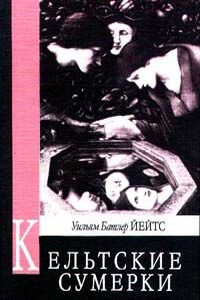
Уильям Батлер Йейтс (1865–1939) — классик ирландской и английской литературы ХХ века. Впервые выходящий на русском языке том прозы "Кельтские сумерки" включает в себя самое значительное, написанное выдающимся писателем. Издание снабжено подробным культурологическим комментарием и фундаментальной статьей Вадима Михайлина, исследователя современной английской литературы, переводчика и комментатора четырехтомного "Александрийского квартета" Лоренса Даррелла (ИНАПРЕСС 1996 — 97). "Кельтские сумерки" не только собрание увлекательной прозы, но и путеводитель по ирландской истории и мифологии, которые вдохновляли У.
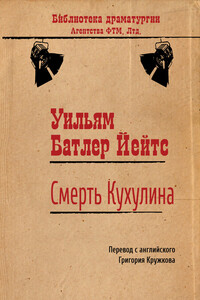
Пьеса повествует о смерти одного из главных героев ирландского эпоса. Сюжет подан, как представление внутри представления. Действие, разворачивающееся в эпоху героев, оказывается обрамлено двумя сценами из современности: стариком, выходящим на сцену в самом начале и дающим наставления по работе со зрительным залом, и уличной труппой из двух музыкантов и певицы, которая воспевает героев ирландского прошлого и сравнивает их с людьми этого, дряхлого века. Пьеса, завершающая цикл посвящённый Кухулину, пронизана тоской по мифологическому прошлому, жившему по другим законам, но бывшему прекрасным не в пример настоящему.
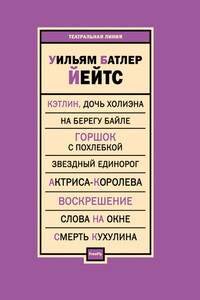
Уильям Батлер Йейтс (1865–1939) – великий поэт, прозаик и драматург, лауреат Нобелевской премии, отец английского модернизма и его оппонент – называл свое творчество «трагическим», видя его основой «конфликт» и «войну противоположностей», «водоворот горечи» или «жизнь». Пьесы Йейтса зачастую напоминают драмы Блока и Гумилева. Но для русских символистов миф и история были, скорее, материалом для переосмысления и художественной игры, а для Йейтса – вечно живым источником изначального жизненного трагизма.
Эта пьеса погружает нас в атмосферу ирландской мистики. Капитан пиратского корабля Форгэл обладает волшебной арфой, способной погружать людей в грезы и заставлять видеть мир по-другому. Матросы довольны своим капитаном до тех пор, пока всё происходит в соответствии с обычными пиратскими чаяниями – грабёж, женщины и тому подобное. Но Форгэл преследует другие цели. Он хочет найти вечную, высшую, мистическую любовь, которой он не видел на земле. Этот центральный образ, не то одержимого, не то гения, возвышающегося над людьми, пугающего их, но ведущего за собой – оставляет широкое пространство для толкования и заставляет переосмыслить некоторые вещи.
Старик и юноша останавливаются у разрушенного дома. Выясняется, что это отец и сын, а дом когда-то принадлежал матери старика, которая происходила из добропорядочной семьи. Она умерла при родах, а муж её, негодяй и пьяница, был убит, причём убит своим сыном, предстающим перед нами уже стариком. Его мучают воспоминания, образ матери возникает в доме. Всем этим он делится с юношей и поначалу не замечает, как тот пытается убежать с их деньгами. Но между ними начинается драка и Старик убивает своего сына тем же ножом, которым некогда убил и своего отца, завершая некий круг мучающих его воспоминаний и пресекая в сыне то, что было страшного в его отце.