Spider in the Corner of the Room - [37]
I remain still, silent, too scared to admit that she may be right.
‘Loss, disappointment-grief,’ she continues, ‘they can have a huge impact neurologically. And the more we linger on negative feelings, on thought patterns, the more established these connections, these neurological trails are. The consequences can be chronic worry, anxiety, unending grief, habitual loneliness. So-’ she exhales, pointing to my blouse ‘-is this not simply a childhood scar you have on your stomach? Perhaps some accident you are recalling incorrectly? Your mother, in reports I have read, has said you used to be a little accident prone.’
‘No,’ I say after a moment, quiet, lost. ‘I have never been accident prone. Why…why would Mama say that?’
Dr Andersson slips her left leg over her right. ‘Maria, being accident prone is a common side effect of grief. It is because the mind, in grief, becomes easily distracted. Couple this with your apparent memory loss induced by the death of your father-and now the death of the priest, the one you murdered-and well, no wonder you cannot recall every tiny past detail correctly.’ She stops, tilts her head. ‘What do you think?’
I try to stay calm, try to think it all through but they overwhelm me. Dr Andersson’s words slam hard against my skull, and no matter how hard I try to stall it, my breathing becomes rapid, burning. The urge to feel something, to physically feel something, instantly, now, something tangible, real, rises up within me, because the words people say, I am discovering, they are like bubbles blown in the air: there one minute, gone the next. As if they were never made.
‘Maria?’
I ignore Dr Andersson and place my index finger on the scar beneath my blouse. The mark is bumpy and, when I apply pressure on it, the skin on either side feels tight. I press harder, then harder again, deep into the mark, sharp so I can feel it.
‘Maria,’ Dr Andersson says, ‘what are you doing? Stop.’
But a wave of pain hits me and her voice fades away. My pulse rockets, my brow sweats. Whether it is the throbbing of the scar or the heat of the room, I do not know, but I begin to remember something, like an image on a movie reel it clicks into view, appearing frame after frame, until it is clear, present, as if I were there. I hear it at first: the whoosh of an aeroplane engine. Then I feel it: cold air. We are somewhere mountainous, desolate, and when I scan the area I see that there, in the distance, shooting past, is heather, moorland. And then we are travelling higher. The air is thinner. My chest tighter. And then what I see next is what makes me freeze. A hospital bed. Lights. So many lights. Straight ones, round ones, square ones. They are so bright. Yet only one shape casts a shadow over them all: the figure of a man. A man wearing a mask, his eyes black as coal.
‘Maria? Talk to me.’
I can hear Dr Andersson’s voice, but it seems so far away, like a song in a valley, a whistle in the wind. I focus. The man in the mask is still there. Look at his eyes. His eyes! Look at them.
‘Maria?’
Her voice becomes louder. I can hear Erik Satie’s piano.
‘Maria, open your eyes.’
My heart punches my ribs. I choke as if no oxygen has touched my lungs for a long time. My eyes flicker open, my hands circle my neck, throat drawn, dry.
‘What just happened?’ Dr Andersson says, her voice like a blade. She grabs the remote and pauses the music. I blink as her face swims into focus. ‘How often has this been going on?’
‘Often.’ I swallow, search for water.
‘And in your head? Are you temporarily unconscious or do you recall things?’
‘Recall.’ My throat is dry. ‘I need a drink.’
She pours me a glass. I drain it and breathe out. I saw him again. I saw Black Eyes. I ask for more water, finish it and try to focus. Why did I see him? Why now? My hands tremble as I return the glass to the table. Dr Andersson watches. I don’t like what is happening to me, how it makes me feel, these moments of confusion fused with episodes of bitter, tainted lucidity.
Dr Andersson picks up her pad and scribbles some notes. ‘I think your memory is more challenged than I had originally thought.’ She holds her pen still. ‘Tell me, what did you see?’
I take in a breath and narrate the memory, and as I do, as I tell her my thoughts, clarity blooms in my head like a flower in spring: someone is after me. It all makes sense now. My father discovered information, linked to files, documents. Even though I do not fully understand what they were exactly, even though I cannot recall it completely yet, I know it happened. And Father Reznik used to make me practice codes, test out harder and harder ones on me, always tasking me with strange projects, projects that would involve deciphering data that led to war-torn countries, to odd scenarios. I wrote it all down in my journal at Mama’s house, and I have written some of it down in my notebook, here. It was all a game, the Father said, just brain training. But what if it wasn’t a game? What if he was using me? Did something happen? Did I discover something without realising? Something big? Is that why he left? I rub my forehead. I would often wake up in the vestry, him telling me I had fallen asleep. But did I? Is Papa the key? Is the memory of Papa, of his voice, of what he told me? And so if I recalled his voice here, in prison, finally, after all this time, after all these years of memory-compromising grief, will I hear it again soon? And what will it say?

Любовь и ненависть, дружба и предательство, боль и ярость – сквозь призму взгляда Артура Давыдова, ученика 9-го «А» трудной 75-й школы. Все ли смогут пройти ужасы взросления? Сколько продержится новая училка?
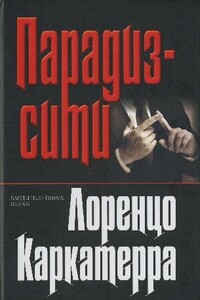
Вот уже почти двадцать лет Джанкарло Ло Манто — полицейский из Неаполя — личный враг мафиозной семьи Росси. Он нанес ей миллионный ущерб, не раз уходил от наемных убийц и, словно заговоренный, не боясь смерти, снова бросался в бой. Потому что его война с мафией — это не просто служебный долг, это возмездие за убийство отца, друзей, всех тех, кто не захотел покориться и жить по законам преступного мира. Теперь Ло Манто предстоит вернуться в Нью-Йорк, город его детства, город его памяти, для последнего решающего поединка.
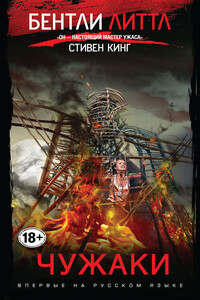
Во время разгульного отдыха на знаменитом фестивале в пустыне «Горящий человек» у Гэри пропала девушка. Будто ее никогда и не существовало: исчезли все профили в социальных сетях и все офи-циальные записи, родительский дом абсолютно пуст. Единственной зацепкой становятся странные артефакты – свитки с молитвами о защите от неких Чужаков. Когда пораженного содержанием свитков парня похищают неизвестные, он решает, что это Чужаки пришли за ним. Но ему предстоит сделать страшное открытие: Чужак – он сам…
Я — чистый холст, и даже художник во мне не знает, чем его заполнить. Моя жизнь началась в тот день, когда я сбежала и очнулась в больнице. Сбежала от реальности. Сбежала от страха. Сбежала от Него. До этого момента ничего не существовало, и я уверена, что, с такой быстротечностью дней, впереди меня тоже ничего не ждет. Но я стараюсь. Пытаюсь жить для дедули, который не покидает меня с тех пор, как я проснулась. Но все попытки бесполезны. Я вновь сбегаю, чтобы начать новую жизнь на небольшом острове, где не нужно оправдывать ничьи ожидания.
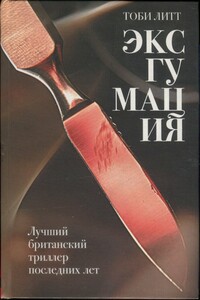
«Эксгумация» — превосходный психологический триллер одного из наиболее ярких представителей современной британской прозы. Роман, написанный Тоби Литтом в 2000 году, стал бестселлером в Великобритании и многих других странах. Главный герой книги, Конрад, подвергается нападению киллера в момент встречи со своей подругой-моделью Лили в фешенебельном лондонском ресторане. Лили погибает, сам Конрад оказывается в коме. Как только силы возвращаются к нему, он, с умением искушенного опытом детектива, начинает свое собственное расследование.

Найджел, Гарольд и Карма – обычные люди. Такие же, как мы с вами. Но кто сказал, что «обычные люди» не могут стать образцом настоящего насилия? Нью-Йорк. 2017-й год. Лучшее время и место для того, чтобы жить счастливо. Но они не могут. И у каждого на это своя причина: одиночество, зависть, неразделенная любовь.. Думаете, что вы никогда не переступите черту? Они тоже так думали. Но у жизни на нас свои планы.