Spider in the Corner of the Room - [36]
‘If you do not give me your arm,’ Dr Andersson says, ‘I will be forced to put you on notice for the segregation unit.’
I pause, my breathing shallow, the alarm shrilling in my head now, screaming at me to have caution, to be careful. Slowly, I inch out my arm.
‘Thank you.’
‘Threatening me with segregation; they call that blackmail.’
Dr Andersson stares at me. Then, shaking her head, she tightens the vein band and lowers the syringe. The needle pierces my skin.
‘Why are you so distant from your mother?’ Dr Andersson asks, as she replaces one vial with another. My blood rushes into the tube. I feel the tug of the needle in my vein, a shot of dizziness.
‘We live in different countries.’
‘No,’ she says, her smile like a splinter on her face. I want to dig it out, throw it away. ‘I meant distance as in a lack of closeness. You don’t seem to like your mother. Ramon told me you shouted at her.’
I feel wounded. I like my mother. Sometimes I have not understood her, comprehended fully what she has done, but she is my mother, flesh, blood. She is Mama. Mama, Papa-they rhyme for a reason. But how do I explain that?
‘I take it by your silence that means yes.’ She withdraws the needle and places a cotton ball on my vein. ‘All done. Hold that.’
I press down on my arm. Dr Andersson slips the tubes of my blood into a laboratory bag, zip-locks it and places it in her drawer.
‘They wouldn’t believe me,’ I say, quietly.
‘Believe what?’ She turns, tilts her head, ponytail slipping on to her shoulder. ‘Why do you say that?’
I sit still, glance at the drawer my blood is in, now zipped up in plastic. My blood, other people’s blood-they merge in my mind. The priest. My father. Jesus Christ himself, nails through his palms, through the flesh in his feet. The violent symbol of the Catholic faith, the stick, the baton used to silently strike us.
Dr Andersson picks up a remote control and directs it at an iPod dock that sits on a shelf to the right. Erik Satie piano melodies begin to play.
‘Gymnopédie number one,’ I say, coming round. I remove the cotton wool, pausing to gaze at the pinprick of blood left behind, then place the white ball on the desk.
‘Do you know Satie?’
‘How would I know him? He is dead.’
‘No.’ She exhales. ‘I mean do you know of him? His music, his life?’
‘Composer Erik Satie was French. He was the son of Alfred and Jane Leslie Satie, and was born in Normandy in 1866. He is mostly famous for his three Gymnopédies-short, ethereal pieces written in ¾ time.’
That’s…well, you know…a lot.’ She clears her throat. ‘So, I’d like to get started today. What can you tell me about the priest at your local church when you were growing up?’
‘What?’ I feel as if I have been hit by a Taser. ‘How do you know about him?’
‘What was his name?”
The piano melody is low, but it seems to boom in my head. ‘The music is too loud.’
She turns it down. ‘Better?’
I nod.
‘Can you tell me his name now?’
My fingers interlock, foot swings over and over.
‘Maria, can you-?’
‘Father Reznik.’
She smiles. ‘Thank you.’ She jots it down and I try to clear my head, try not to relive events in the visiting room with my mother, what she said, what she believed. Or didn’t. I let the music wash over me, cleanse me. I don’t think it works.
‘Maria, from the notes I received from your therapist at home in Spain, you told him that you sometimes saw other doctors. Is that correct?’
Black eyes. Why does the phrase Black Eyes appear in my mind? My heart rate shoots up. Alert. ‘How do you know this?’
‘It is my job. You are a convict, Maria. All your files are accessible.’ She twists her mouth. ‘So, can you tell me?’
‘I would rather show you.’
‘Show me?’
I untuck my blouse from my waistband and roll up the fabric. Just above my trouser line is a burn mark. It is 5 centimetres by 0.5 centimetres. It is brown and pink in colour.
Dr Andersson draws in a sharp breath and puts her hand to her mouth.
‘He seared me like cattle,’ I say. The piano melody flows in my ears. ‘This,’ I say, pointing to the scar, ‘was my mark. It was so he could see if I felt any pain.’
‘Who?’
‘The doctor, the one with the black eyes, when I was young.’
She blinks at it for two more seconds, visibly shaking. ‘You…you can do up your blouse now, Maria.’
I tuck my blouse back into my trousers, not before I force myself to look at the mark, look at it to reassure myself it is there, it exists.
‘Maria, do you really think…’ Dr Andersson stops, takes a sip of water and inhales. ‘Maria,’ she tries again, ‘in an old evaluation, you said “someone with black eyes did this”, said he may have been a doctor, but you weren’t certain.’ She pauses, presses her lips together. ‘I’m sorry, I have to ask you: did a doctor really do that? Did he really make that mark on you?’
My heart rate flies sky-high. ‘Yes.’ A small swallow, nerves. ‘That is what I said.’ I place my hand on my chest, feel the blood banging against my ribs. She is questioning my version of events just like the last therapist did, just like they all have done.
‘The trouble is,’ Dr Andersson says, ‘that I find your version of events very hard to believe, Maria. When I spoke to your brother in the visiting room, he said you had tendencies to make things up, remember events incorrectly, said that the death of your father affected your memory greatly.’ She presses her lips together. ‘That sort of memory loss, that mis-recollection of events following the death of a loved one is not uncommon. It can last for years-a lifetime, in some cases. The brain in people who are grieving, well, studies show increased activity in the neuron network. These areas link to mood. To memory, to the absence of it.’ She pauses, searches my face. ‘Maria, these grief-initiated neuron patterns are also associated with how we perceive things, with how we rationalise. They are even associated with the function of our organs. Don’t you see, Maria?’

Любовь и ненависть, дружба и предательство, боль и ярость – сквозь призму взгляда Артура Давыдова, ученика 9-го «А» трудной 75-й школы. Все ли смогут пройти ужасы взросления? Сколько продержится новая училка?
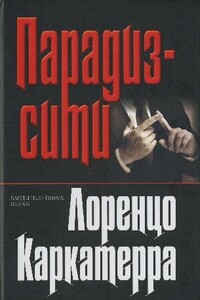
Вот уже почти двадцать лет Джанкарло Ло Манто — полицейский из Неаполя — личный враг мафиозной семьи Росси. Он нанес ей миллионный ущерб, не раз уходил от наемных убийц и, словно заговоренный, не боясь смерти, снова бросался в бой. Потому что его война с мафией — это не просто служебный долг, это возмездие за убийство отца, друзей, всех тех, кто не захотел покориться и жить по законам преступного мира. Теперь Ло Манто предстоит вернуться в Нью-Йорк, город его детства, город его памяти, для последнего решающего поединка.
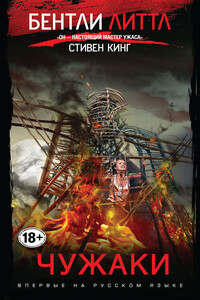
Во время разгульного отдыха на знаменитом фестивале в пустыне «Горящий человек» у Гэри пропала девушка. Будто ее никогда и не существовало: исчезли все профили в социальных сетях и все офи-циальные записи, родительский дом абсолютно пуст. Единственной зацепкой становятся странные артефакты – свитки с молитвами о защите от неких Чужаков. Когда пораженного содержанием свитков парня похищают неизвестные, он решает, что это Чужаки пришли за ним. Но ему предстоит сделать страшное открытие: Чужак – он сам…
Я — чистый холст, и даже художник во мне не знает, чем его заполнить. Моя жизнь началась в тот день, когда я сбежала и очнулась в больнице. Сбежала от реальности. Сбежала от страха. Сбежала от Него. До этого момента ничего не существовало, и я уверена, что, с такой быстротечностью дней, впереди меня тоже ничего не ждет. Но я стараюсь. Пытаюсь жить для дедули, который не покидает меня с тех пор, как я проснулась. Но все попытки бесполезны. Я вновь сбегаю, чтобы начать новую жизнь на небольшом острове, где не нужно оправдывать ничьи ожидания.
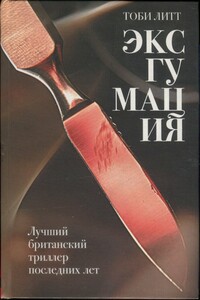
«Эксгумация» — превосходный психологический триллер одного из наиболее ярких представителей современной британской прозы. Роман, написанный Тоби Литтом в 2000 году, стал бестселлером в Великобритании и многих других странах. Главный герой книги, Конрад, подвергается нападению киллера в момент встречи со своей подругой-моделью Лили в фешенебельном лондонском ресторане. Лили погибает, сам Конрад оказывается в коме. Как только силы возвращаются к нему, он, с умением искушенного опытом детектива, начинает свое собственное расследование.

Найджел, Гарольд и Карма – обычные люди. Такие же, как мы с вами. Но кто сказал, что «обычные люди» не могут стать образцом настоящего насилия? Нью-Йорк. 2017-й год. Лучшее время и место для того, чтобы жить счастливо. Но они не могут. И у каждого на это своя причина: одиночество, зависть, неразделенная любовь.. Думаете, что вы никогда не переступите черту? Они тоже так думали. Но у жизни на нас свои планы.