Satellite People - [45]
One of the youngest members of the relay team had once called Leonard Schelderup ‘the lone horseman’, obviously inspired by some boys’ book about the Wild West. And the nickname had stuck, as a fond sign of respect. He had always been quite reserved as a person, but presumably that was in part due to his family background and wealth. In contrast to his son, the father was widely discussed and disputed, the trainer added.
I understood what he meant. Though he had never actually been there in person, Magdalon Schelderup had affected his son’s life even in athletics circles. But to them, Leonard was simply the lone horseman, and apparently no one had tried to find out what was hidden behind his hero’s mask.
Otherwise, the trainer agreed that Leonard Schelderup had had more of a spring in his step in recent months. The trainer had thought that this was perhaps in part due to his steadily improving performance and in part to resolving his work situation. I thanked the trainer for all his information and asked if I might call again if necessary. He replied sadly that of course I could ring, but he was unlikely to be of any more help to me.
Having put down the receiver, I sat in my office for a few silent minutes, deep in thought. Leonard Schelderup had, to an apparently alarming extent, been, if not a man without character, certainly one without a private life. He was someone towards whom no one felt any ill will but, equally someone whom no one, not even his brother, would miss. Leonard Schelderup had, to all intents and purposes, walked a lonely path through the inhabitants of Oslo, from his flat to his office to the athletics track, interrupted only by unwanted family gatherings. Even though he had not been willing to follow the path his father wanted, his short life had been deeply influenced by him. I thought about Patricia’s concept about satellite people, and found it frighteningly fitting.
There appeared to be no conflicts outside family circles that would give anyone reason to want Leonard Schelderup dead. Yesterday’s lady visitor was now even more mysterious and interesting, as was the unidentified man who had apparently visited him several times in the past few months.
VIII
The Wendelboes’ house in Ski was more or less as I had expected it to be. Visibly smaller than Schelderup Hall, it was still larger than all the other houses on the street and most other houses in Oslo. There was only one car parked outside the house, but it was also quite possibly the largest and most expensive in the street. And it was a spacious white Volvo that I immediately recognized from outside Schelderup Hall. The car was newly polished and the lawn around the house had recently been cut.
I immediately felt more at home here than at Schelderup Hall. Petter Johannes Wendelboe opened the door himself and showed me into the living room. Having seated me in a comfortable chair by the dining table, he then said he would go and get his wife. I said that some of my questions were about the war and that we perhaps need not disturb her. He nodded and promptly sat down on the chair opposite me.
‘That is very considerate of you. This tragic event has brought up many old memories that are still very hard for my wife to bear,’ he told me.
I glanced quickly around the room. It was far more lived-in than the drawing room at Schelderup Hall. This was partly because the room was smaller. There were only eight chairs around the dining table. However, the main difference was all the family pictures on the wall. It is true that Wendelboe was not smiling in any of them but, photographed in shorts with his daughter and two grandchildren eating ice cream, he could be taken for a grandfather like all others. The sense of gravity was always there. The largest picture on the wall was an old black-and-white photograph of the couple in younger days, together with Ole Kristian Wiig. Mrs Wendelboe had one arm around her husband and one around her brother, but she was leaning most towards her brother.
He followed my gaze and cleared his throat.
‘My wife is a kind-hearted good woman and she was exceptionally close to her brother. It was a great loss to her that touched her life deeply.’
It struck me that this loss had also greatly affected Wendelboe’s life, but that he perhaps would rather die than admit it.
My initial questions about the recent events were quickly answered. He had heard about the young Leonard Schelderup’s death on the radio. It made the situation even more tragic and had been yet another blow for his wife. Neither Wendelboe nor his wife could claim to know Leonard Schelderup well, but they had seen him regularly since he was a child during the war.
‘We have talked about it many times. He was obviously a very talented young man, but quite unlike his father,’ he observed.
‘That nearly sounds like a compliment,’ I ventured.
Wendelboe tightened his lips.
‘Well, yes and no. They were, more than anything, incredibly different. Magdalon was a remarkably strong and successful man, but also a remarkably ruthless man. For a long time we have thought that his son seemed to be kinder, but also weaker.’
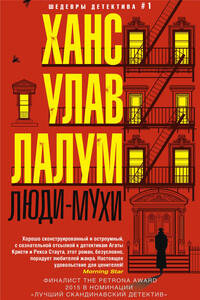
Убит бывший лидер норвежского Сопротивления и бывший член кабинета министров Харальд Олесен. Его тело обнаружено в запертой квартире, следов взлома нет, орудие убийства отсутствует. На звук выстрела к двери Олесена сбежались все соседи, но никого не увидели. Инспектор уголовного розыска Колбьёрн Кристиансен считает, что убийство, скорее всего, совершил кто-то из них. Более того, он полагает, что их показания лживы.
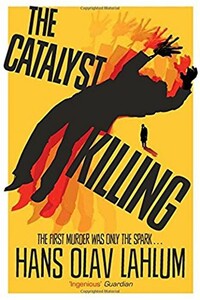
The third mystery in the hugely compelling, bestselling international crime series from Norway's answer to Agatha Christie, Hans Olav Lahlum, The Catalyst Killing will have you guessing to the final clue. The first murder was only the spark… 1970: Inspector Kolbjorn Kristiansen, known as K2, witnesses a young woman desperately trying to board a train only to have the doors close before her face. The next time he sees her, she is dead… As K2 investigates, with the help of his precocious young assistant Patricia, he discovers that the story behind Marie Morgenstierne's murder really began two years ago, when a group of politically active young people set out on a walking tour in the mountains.

From the international bestselling author, Hans Olav Lahlum, comes Chameleon People, the fourth murder mystery in the K2 and Patricia series.1972. On a cold March morning the weekend peace is broken when a frantic young cyclist rings on Inspector Kolbjorn 'K2' Kristiansen's doorbell, desperate to speak to the detective.Compelled to help, K2 lets the boy inside, only to discover that he is being pursued by K2's colleagues in the Oslo police. A bloody knife is quickly found in the young man's pocket: a knife that matches the stab wounds of a politician murdered just a few streets away.The evidence seems clear-cut, and the arrest couldn't be easier.
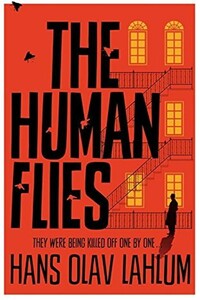
Oslo, 1968: ambitious young detective Inspector Kolbjorn Kristiansen is called to an apartment block, where a man has been found murdered. The victim, Harald Olesen, was a legendary hero of the Resistance during the Nazi occupation, and at first it is difficult to imagine who could have wanted him dead. But as Detective Inspector Kolbjorn Kristiansen (known as K2) begins to investigate, it seems clear that the murderer could only be one of Olesen's fellow tenants in the building. Soon, with the help of Patricia – a brilliant young woman confined to a wheelchair following a terrible accident – K2 will begin to untangle the web of lies surrounding Olesen's neighbors; each of whom, it seems, had their own reasons for wanting Olesen dead.
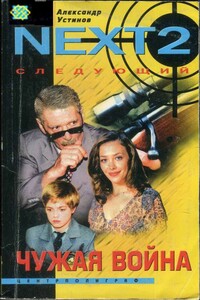
Книга написана по сценарию известного российского драматурга А.В. Тимма.Франц Хартман и Ангелина Виннер, подстроившие автокатастрофу, в которой погиб хозяин «Империи» Владимир Кирсанов, намерены идти до конца. Теперь они замышляют убийство его жены Ольги и несовершеннолетнего сына Вани, наследника «трона». Волею случая Лавру суждено сыграть роль доброго ангела в судьбе женщины и ребенка.
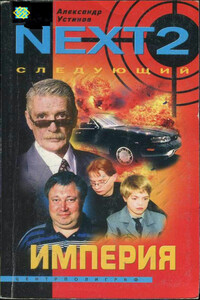
Книга написана по сценарию известного российского драматурга А. В. Тимма.Конкуренты хозяина «Империи» Владимира Кирсанова подстроили автокатастрофу. Он гибнет, а его жена Ольга чудом остается жива. Пока она лежит в коме, адвокат Ангелина Виннер и бывший компаньон погибшего Андрей Семирядин пытаются завладеть наследством Кирсанова. Но его сын Ваня прерывает учебу в Лондоне и с помощью «сладкой парочки», музыкального Санчо и неувядающей Клавдии, возвращается на Родину, чтобы продолжить дело отца.
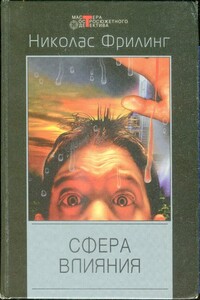
Обстоятельный и дотошный инспектор амстердамской полиции Ван дер Вальк расследует странное убийство домохозяйки («Ать-два!»). Героям известного автора детективов предстоят жестокие испытания, прежде чем справедливость восторжествует.
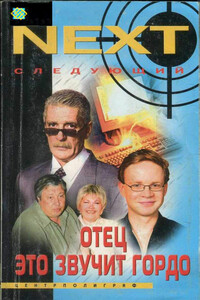
Книга написана по сценарию известного российского драматурга А.В. Тимма. На страницах романа вы встретитесь со старыми знакомыми, полюбившимися вам по сериалу «NEXT», — благородным и великодушным Лавром, его сыном Федором, добродушным весельчаком Санчо и решительной Клавдией. Увлекательное повествование вводит в мир героев, полный настоящих рыцарских подвигов и романтических приключений.
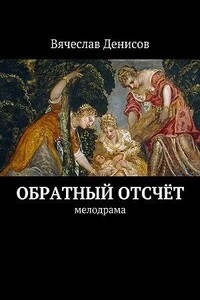
Предать жену и детей ради любовницы, конечно, несложно. Проблема заключается в том, как жить дальше? Да и можно ли дальнейшее существование назвать полноценной, нормальной жизнью?…
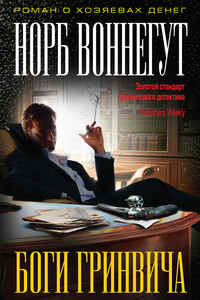
Будущее Джимми Кьюсака, талантливого молодого финансиста и основателя преуспевающего хедж-фонда «Кьюсак Кэпитал», рисовалось безоблачным. Однако грянул финансовый кризис 2008 года, и его дело потерпело крах. Дошло до того, что Джимми нечем стало выплачивать ипотеку за свою нью-йоркскую квартиру. Чтобы вылезти из долговой ямы и обеспечить более-менее приличную жизнь своей семье, Кьюсак пошел на работу в хедж-фонд «ЛиУэлл Кэпитал». Поговаривали, что благодаря финансовому гению его управляющего клиенты фонда «никогда не теряют свои деньги».