Letters To My Daughter's Killer - [36]
‘No,’ I say. I was delighted. You both seemed so happy.
‘Did the deceased ever complain to you about Mr Tennyson?’
The deceased. I hate her for that. ‘No.’
‘Is it fair to say they were happy?’
‘Yes, but I didn’t know-’
She is on me like a snake. ‘Please only answer the questions put to you. How would you have described their marriage?’
‘Happy.’
‘A happy marriage. Did you ever witness any rows or arguments?’
‘No,’ I say.
‘Did your daughter ever tell you about any rows or arguments?’
‘No.’
‘Were you shocked when Mr Tennyson was arrested?’
‘Yes,’ I say.
‘Why were you shocked?
‘I don’t know. I just was.’
‘Mrs Sutton, you have just described to us what sounds like an ideal marriage. The happy young couple, a close family, then Mr Tennyson is arrested for murder. Would it be fair to say you were shocked because it was Mr Tennyson, your son-in-law, who was arrested?’
‘I suppose so.’
‘Had you suspected Mr Tennyson of any involvement in his wife’s murder before that?’ she says.
‘No.’
‘Had you any reason to believe he would hurt your daughter?’
‘No.’
‘Was the Mr Tennyson you knew a violent person?’ Miss Dixon says.
I hesitate. ‘No.’
‘Had you ever seen him lose his temper?’
‘No.’ Each answer is bitter on my tongue. I imagine inventing anecdotes: Yes, once I saw him yelling at Lizzie, they didn’t know I was watching, he raised his hand and she flinched but he hit her anyway.
‘Can you explain why, when you knew him to be a good man, who loved your daughter, in an apparently happy marriage, when you had harboured no suspicion about him, you so suddenly, so fundamentally, changed your mind on his arrest?’
‘Because he tried to run away, he acted guilty.’
Her mouth twitches and she says quickly, ‘If he had not been arrested you would have continued to view him as a good man, a loyal husband, a close family member?’
‘Yes, I suppose so,’ I say reluctantly.
‘Did you see much of your daughter?’
‘A fair amount. I’d look after Florence sometimes.’
‘How often would that be?’ she says.
‘Once a fortnight, maybe. It varied.’
‘Would you say you were close, you and your daughter?’
‘Yes,’ I say.
‘Did she ever confide in you?’
‘Yes.’
‘Can you give us any examples?’
I’m blank for a moment, still worried by the last few questions. The ringing in my ears making it harder to concentrate. ‘She’d tell me if she was having any problems at work,’ I say, ‘if someone was difficult to work with. Or if Florence had been ill, things like that.’
‘Did she ever speak to you about Mr Tennyson?’
‘Yes, about his work, auditions he had been to, that sort of thing.’
‘And about his behaviour?’ Miss Dixon says.
‘No,’ I say.
‘And Florence, how would you describe her relationship with her father?’
‘Very good.’
‘Mr Tennyson was Florence’s main carer in recent months?’
‘Yes,’ I say.
‘Had you any concerns about his care for his daughter?’
‘No.’
‘When Mr Tennyson was arrested, could you think of any reason why this loving father and husband might be suspected of killing his wife?’
‘No, only that the police must know something I didn’t.’
‘It was out of character?’
‘Yes.’
‘It was hard to believe?’
‘Yes.’ With every answer she is using me to airbrush you, create a sheen of good old-fashioned wholesomeness. The gloss of a family man. She has trapped me into giving you a glowing reference. It makes me feel dirty, shabby, as though I have failed Lizzie, fallen short. I want to stay on the stand despite my jangled nerves and put it right, tell it like it is. What she has drawn from me is not the truth, nothing like the whole truth, but a partial truth cropped to fit the shape you need.
In the break, I find Tony and Denise. She is spitting mad too; we are an unlikely alliance. Tony just looks sickened.
I’m preoccupied as we go back in and take seats in the public gallery, going over my answers again and wondering if I could have done it any differently so as to undermine your cause.
Ruth
CHAPTER TWO
17 Brinks Avenue
Manchester
M19 6FX
The next witness is one of the police officers who came to the house. The one who spoke to me and asked me to take Florence home and surrender my clothes. He describes what he found in the house and what you said when he spoke to you. The same tale you told me.
Mr Cromer asks him to describe you. ‘Mr Tennyson was wearing sweatpants, a lightweight sports top and black trainers. His clothing appeared to be clean.’
Then the pathologist is introduced. I feel the pulse jumping at the side of my neck, my stomach clenching as I steel myself for what’s to come.
The man speaks quickly, in a monotonous style. He could be reciting the phone directory. No difference in the stress he puts on the words: ‘I arrived at eleven thirty p.m.’ is given the same flat delivery as ‘The trauma to the skull was so severe the cranial sack had been ruptured and brain matter displaced.’ Is it deliberate, so the drama of what he is telling us is stripped away?
The jury are given diagrams, an outline of the body, back and front, with the injuries noted. No photographs of Lizzie, though. A small mercy.
Mr Cromer takes us through the post-mortem findings. Some we have heard before, but there are many fresh items as well. And with each of these I feel a sting of shock and a shiver of anger that we have not been told. That we hear them in this place as though we have no more right than anyone else.
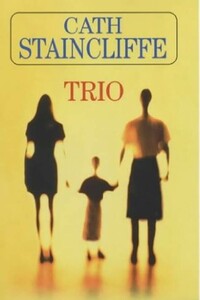
1960, Manchester. Three young Catholic women find themselves pregnant and unmarried. In these pre-Pill days, there is only one acceptable course of action: adoption. So Megan, Caroline and Joan meet up in St Ann's Home for Unmarried Mothers to await the births of their babies. Three little girls are born, and placed with their adoptive families. Trio follows the lives of these mothers and daughters over the ensuing years.
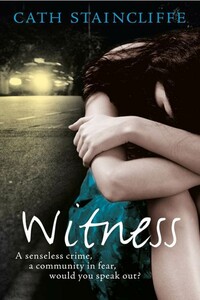
"A painfully honest exploration of an ordinary family under stress… A stunning piece of work." – Ann CleevesFour bystanders in the wrong place at the wrong time. Witnesses to the shocking shooting of a teenage boy. A moment that changes their lives forever. Fiona, a midwife, is plagued by panic attacks and unable to work. Has she the strength to testify? Mike, a delivery driver and family man, faces an impossible decision when his frightened wife forces him to choose – us or the court case. Cheryl, a single-mother, doesn't want her child to grow up in the same climate of fear.
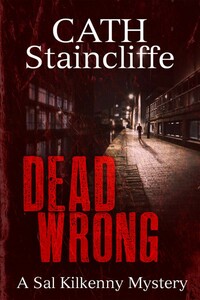
Single mother and private eye, Sal Kilkenny, has two very frightened clients on her hands. One, young mother Debbie Gosforth, is a victim; the other, Luke Wallace, is afraid he is a murderer. While Sal tries to protect Debbie from a stalker, she has to investigate the murder of Luke's best friend.
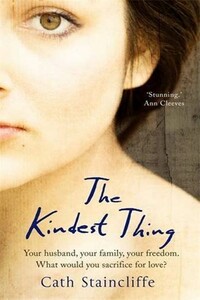
Your husband, your family, your freedom. What would you sacrifice for love? A love story, a modern nightmare and an honest and incisive portrayal of a woman who honours her husband's wish to die and finds herself in the dock for murder.When Deborah reluctantly helps her beloved husband Neil end his life and conceals the truth, she is charged with murder. As the trial unfolds and her daughter Sophie testifies against her, Deborah, still reeling with grief, fights to defend her actions. Twelve jurors hold her fate in their hands, if found guilty she will serve a life sentence.
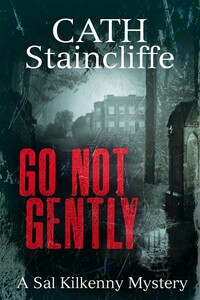
From the author of LOOKING FOR TROUBLE, a further crime novel featuring private investigator Sal Kilkenny. When a man is distraught at his wife's apparent infidelity, he enlists the help of Sal to confirm his suspicions, only to find himself a widower soon afterwards. From there Sal's other case also begins to take a disturbing and violent turn.
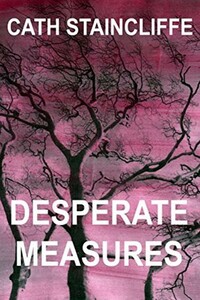
The fourth Blue Murder novel written by the creator of the hit ITV police drama starring Caroline Quentin as DCI Janine Lewis.A well-respected family GP is found shot dead outside his surgery; who could possibly want to kill him? As DCI Janine Lewis and her team investigate they uncover stories of loyalty, love, deception, betrayal and revenge.Praise for the Blue Murder books'Complex and satisfying in its handling of Lewis's agonised attempts to be both a good cop and a good mother.' The Sunday Times'Uncluttered and finely detailed prose.' Birmingham Post'Beautifully realised little snapshots of the different characters' lives… Compelling stuff.' Sherlock Magazine'A swift, satisfying read.' City Life'Precise and detailed delineation of contemporary family relationships.' Tangled Web'Lewis seems set to become another very popular string to Staincliffe's bow as one of the leading English murder writers.' Manchester Metro'Pace and plenty of human interest.' Publishing News'Blending the warmth of family life with the demands of a police investigation.'Manchester Evening News'Juggling work and family is a challenge of modern life and encountering realistically portrayed women with family responsibilities is a pleasure.

Если весь мир – театр, то балетный театр – это целый мир, со своими интригами и проблемами, трагедиями и страстями, героями и злодеями, красавицами и чудовищами. Далекая от балета Лиза, живущая в Турции, попадает в этот мир совершенно случайно – и не предполагает, что там ей предстоит принять участие в расследовании загадочного убийства и встретиться с любовью… или это вовсе не любовь, а лишь видимость, как всё в иллюзорном мире театра?Этот роман не только о расследовании убийства – он о музыке и о балете, о турецком городе Измире и живущих в нем наших соотечественниках, о людях, преданных театру и готовых ради искусства на все… даже на преступление.
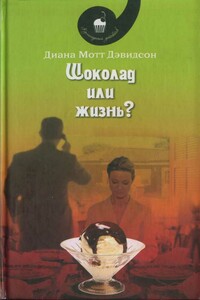
Владелица небольшого ресторанного бизнеса Голди знает цену деньгам.Когда на счету остается всего пара долларов, а экс-супруг, преуспевающий врач-гинеколог, выплачивает мизерные алименты на содержание их сына Арча с неохотой, рассчитывать приходится только на саму себя.Голди берется за любую работу, которую только можно найти, даже если это предложение организовать бранч в частной школе для отпрысков самых богатых и влиятельных жителей города Аспен-Мидоу.Однако, планируя это торжественное мероприятие, она даже представить не могла, что так удачно начавшийся для ее маленького бизнеса день закончится настоящей трагедией…
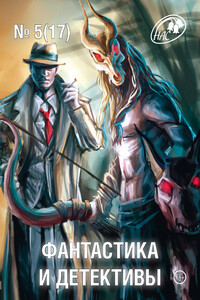
В номере:Денис Овсянник. Душа в душуИгорь Вереснев. Спасая ЭрикаОксана Романова. МощиТатьяна Романова. Санкторий.

Каждый думает, что где-то его жизнь могла бы сложиться удачнее. Такова человеческая натура! Все мы считаем, что достойны лучшего. А какова реальность? Всегда ли наши мечты соответствуют действительности? Не стоит винить свою Родину во всех бедах, свалившихся на вашу голову. В конечном счете, ваша судьба находится исключительно в ваших руках. В этом остросюжетном детективе перед читателем открывается противоречивая Америка, такая соблазнительная и жестокая. Практичные американцы не только говорят на другом языке, но они и думают по-другому! Как приспособиться к новой жизни, не наляпав ошибок? Да и нужно ли? Данный детектив входит в серию «Злополучные приключения», в которых остросюжетная линия тесно переплетена с записками путешественника и отменно приправлена искромётным юмором автора.
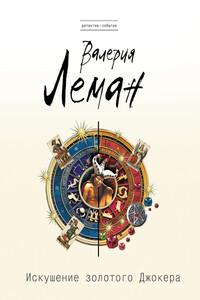
Загадка сопровождает карты Таро не одну сотню лет. А теперь представьте колоду, сделанную из настоящего золота, с рисунками, нанесенными на пластины серебром. Эти двадцать две карты смело можно назвать бесценными. Стоит ли удивляться, что того, кто владеет ими, преследует многовековое проклятие…
В книге рассказывается история главного героя, который сталкивается с различными проблемами и препятствиями на протяжении всего своего путешествия. По пути он встречает множество второстепенных персонажей, которые играют важные роли в истории. Благодаря опыту главного героя книга исследует такие темы, как любовь, потеря, надежда и стойкость. По мере того, как главный герой преодолевает свои трудности, он усваивает ценные уроки жизни и растет как личность.