Go Not Gently - [5]
I stuck some washing in the machine, then sat in the kitchen and browsed through the books that Moira had left. It became clear that dementia wouldn’t have resulted from either Lily’s fall or from leaving her home. But both the books listed two types of dementia, Alzheimer’s and something called acute confusional disorder. The latter could result from physical illness, like a severe infection or as a reaction to drugs. So it could be treated and would stop, unlike actual senile dementia.
Agnes had described Lily’s decline as rapid, the books said Alzheimer’s developed slowly over several months. But Mrs Valley-Brown had told Agnes that Lily had Alzheimer’s disease, the commonest form of dementia. Presumably the GP knew how to tell the two states apart and for some reason they’d discounted acute confusion. I understood Agnes’ disquiet: at first glance the facts didn’t appear to add up.
I opened my notepad and listed the questions we needed answers to. The more I thought about it the more likely it seemed that there’d been a misdiagnosis. That an untreated illness or an adverse reaction to medication had led to Lily Palmer becoming troubled, confused, unlike her usual self. If we could establish the cause and treat it then Lily would get better and Agnes would have her old friend back. It wasn’t right: Agnes had been anxious enough to come to a private investigator when the Homelea staff dismissed her concerns. They should have been on to it straight away.
I switched the washing to the tumble dryer in the cellar, then made a quick foray to the shops on my bicycle. Withington is a real mix of taste and tack. Discount shops selling brightly coloured, semi-disposable goods made in China and the Philippines nestle cheek by jowl with more upmarket outlets: delicatessens, health food shop, designer clothes boutiques.
I bought pasta, cheese and milk from the small supermarket, then negotiated my way to the greengrocer’s. The pavements were narrow and crowded with shoppers. I wheeled my bike along the gutter to avoid colliding with anyone.
I was tempted by gleaming displays of avocados, imported beef tomatoes, limes and grapes, by bright bunches of hothouse herbs, but I resisted. Our budget rarely ran to the exotic end of the stall. If it was in season or on offer we ate it. Cabbage, carrots, turnips, onions. Fruit was the exception as the mainstay of the battle against tooth decay: ‘No you can’t, have some fruit.’
It had actually stopped raining but the cold, grey fug lingered as though the drizzle had been freeze-framed. Back home I had cheese on toast, pulled on another sweater and gathered things up to take round to the office.
The crocuses that dotted gardens along the way had taken a battering from the recent gales. The purple and yellow flowers lay sprawled and broken. I’d never bothered with crocuses, they were just too feeble for the season. I stuck to polyanthus and primroses, snowdrops and winter pansies – lovely gaudy colours for murky winter days.
I picked up my business mail from the table in the hall and went down to the cellar. The answerphone light blinked three times and paused. I hung my coat on the back of the door and made ready to take notes. The first message was from Wondawindow Systems, from Michelle, no less, who would call again later to discuss with me the new range of low-maintenance, high-quality, fully guaranteed, top-security, bonus-offer uPVC double-glazed windows currently available. I glanced at the narrow basement window with its broken blind. Shrugged.
The second caller had rung off without leaving a message. The third was the man who’d rung me the previous afternoon. I recognised the nervous laugh.
‘Hello…’ laugh. ‘Yeah, it’s about something I want you to investigate. Can you ring me at work?’ He reeled off the number. ‘And, erm…’ laugh, ‘if I’m out on a job then leave a message for me and I’ll ring you when I get back. Right.’ Pause. ‘Thanks.’
Well, I’d have done so gladly but he hadn’t left his name. I did try the number on the off chance it was a direct line. A woman answered. ‘Hello, Swift Deliveries.’
I explained that I wanted to get in touch with one of the younger men whose name I’d forgotten. She couldn’t help.
‘We’ve fifteen drivers, love. All over the region. I need a name.’
I gave up. With luck, he’d try again.
My mail consisted of bumf from the bank trying to get me to take out a loan and a letter from the accountants asking for my detailed income and expenditure so they could prepare my year-end accounts.
I spent the rest of the afternoon preparing my accounts. It would have been easier if I’d entered things on a more regular basis but I shoved all my invoices and receipts into a box file marked ‘Finance’ and left it till the dreaded letter arrived. It wasn’t even all that complicated. The thought of doing it was always worse than the reality.
By the time I’d finished I reckoned I’d have to pay about £500 tax in a couple of instalments over the next year. I couldn’t believe that I could earn so little and still have to pay tax. I certainly didn’t have a spare £500 sloshing round in the bank. Oh, well. It wasn’t due yet and maybe by the time that bill came in I’d have found a nice little earner.

1960, Manchester. Three young Catholic women find themselves pregnant and unmarried. In these pre-Pill days, there is only one acceptable course of action: adoption. So Megan, Caroline and Joan meet up in St Ann's Home for Unmarried Mothers to await the births of their babies. Three little girls are born, and placed with their adoptive families. Trio follows the lives of these mothers and daughters over the ensuing years.
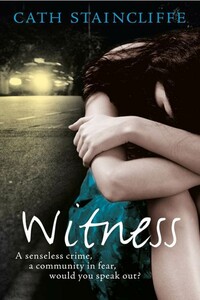
"A painfully honest exploration of an ordinary family under stress… A stunning piece of work." – Ann CleevesFour bystanders in the wrong place at the wrong time. Witnesses to the shocking shooting of a teenage boy. A moment that changes their lives forever. Fiona, a midwife, is plagued by panic attacks and unable to work. Has she the strength to testify? Mike, a delivery driver and family man, faces an impossible decision when his frightened wife forces him to choose – us or the court case. Cheryl, a single-mother, doesn't want her child to grow up in the same climate of fear.
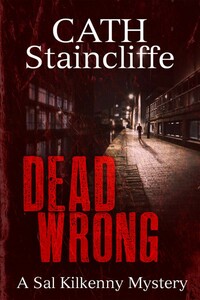
Single mother and private eye, Sal Kilkenny, has two very frightened clients on her hands. One, young mother Debbie Gosforth, is a victim; the other, Luke Wallace, is afraid he is a murderer. While Sal tries to protect Debbie from a stalker, she has to investigate the murder of Luke's best friend.
The fourth Blue Murder novel written by the creator of the hit ITV police drama starring Caroline Quentin as DCI Janine Lewis.A well-respected family GP is found shot dead outside his surgery; who could possibly want to kill him? As DCI Janine Lewis and her team investigate they uncover stories of loyalty, love, deception, betrayal and revenge.Praise for the Blue Murder books'Complex and satisfying in its handling of Lewis's agonised attempts to be both a good cop and a good mother.' The Sunday Times'Uncluttered and finely detailed prose.' Birmingham Post'Beautifully realised little snapshots of the different characters' lives… Compelling stuff.' Sherlock Magazine'A swift, satisfying read.' City Life'Precise and detailed delineation of contemporary family relationships.' Tangled Web'Lewis seems set to become another very popular string to Staincliffe's bow as one of the leading English murder writers.' Manchester Metro'Pace and plenty of human interest.' Publishing News'Blending the warmth of family life with the demands of a police investigation.'Manchester Evening News'Juggling work and family is a challenge of modern life and encountering realistically portrayed women with family responsibilities is a pleasure.
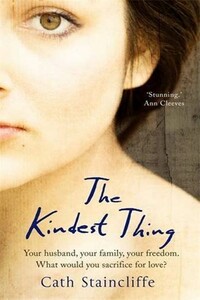
Your husband, your family, your freedom. What would you sacrifice for love? A love story, a modern nightmare and an honest and incisive portrayal of a woman who honours her husband's wish to die and finds herself in the dock for murder.When Deborah reluctantly helps her beloved husband Neil end his life and conceals the truth, she is charged with murder. As the trial unfolds and her daughter Sophie testifies against her, Deborah, still reeling with grief, fights to defend her actions. Twelve jurors hold her fate in their hands, if found guilty she will serve a life sentence.
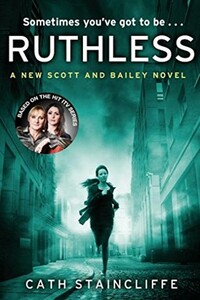
A blaze at an abandoned chapel in impoverished Manorclough turns out to be more than just arson when the body of a man who has been shot twice is discovered in the ashes.For the Manchester Metropolitan police team it's the start of a gruelling and complex case that exposes the fractures and fault lines of a community living on the edge. DC Rachel Bailey, recently married, is trying to come to terms with her new status and deal with the fallout from her chaotic family. She throws herself into work but her compulsion to find answers and see justice done leads her into the deepest jeopardy.

Обстоятельный и дотошный инспектор амстердамской полиции Ван дер Вальк расследует странное убийство домохозяйки («Ать-два!»). Героям известного автора детективов предстоят жестокие испытания, прежде чем справедливость восторжествует.

Книга написана по сценарию известного российского драматурга А.В. Тимма. На страницах романа вы встретитесь со старыми знакомыми, полюбившимися вам по сериалу «NEXT», — благородным и великодушным Лавром, его сыном Федором, добродушным весельчаком Санчо и решительной Клавдией. Увлекательное повествование вводит в мир героев, полный настоящих рыцарских подвигов и романтических приключений.

В повести «Искупление» автор показывает, как человек, стремящийся к чувственным наслаждениям, попадает под подозрение в убийстве и вынужден скрываться от полиции. Находясь на нелегальном положении, он постоянно подвергается опасности. Это заставляет его пересмотреть свои взгляды на смысл и основные цели своей жизни. В основу повести Ильичева В. А. положен опыт работы автора в уголовном розыске. Читатель знает автора по книгам «Элегантный убийца», «Гильотина для палача», «Тайна семи грехов», «Навстречу Вечности», «Жизнь и криминал», «Приключения подмигивающего призрака» и ряду других.

Над Кольским полуостровом нависла полярная ночь. Солнечные лучи уже давно не заглядывали в окна. По утрам было сумрачно, и постоянно болела голова, отчего Павел Николаевич Ларин зачастую впадал в меланхолию. Всё же лучше быть седым, чем лысым, — подметил Павел Николаевич и, насухо обтеревшись махровым полотенцем, освежил гладко выбритые щёки пахучим одеколоном. Что воскресенье, что понедельник — теперь всё было едино… Павел Николаевич непроизвольно начал размышлять о превратностях беззаботной старческой жизни.

Предать жену и детей ради любовницы, конечно, несложно. Проблема заключается в том, как жить дальше? Да и можно ли дальнейшее существование назвать полноценной, нормальной жизнью?…

Будущее Джимми Кьюсака, талантливого молодого финансиста и основателя преуспевающего хедж-фонда «Кьюсак Кэпитал», рисовалось безоблачным. Однако грянул финансовый кризис 2008 года, и его дело потерпело крах. Дошло до того, что Джимми нечем стало выплачивать ипотеку за свою нью-йоркскую квартиру. Чтобы вылезти из долговой ямы и обеспечить более-менее приличную жизнь своей семье, Кьюсак пошел на работу в хедж-фонд «ЛиУэлл Кэпитал». Поговаривали, что благодаря финансовому гению его управляющего клиенты фонда «никогда не теряют свои деньги».