Dead Wrong - [2]
‘Who shall I say?’
‘He doesn’t know me.’ I began to feel uncomfortable. If this good neighbour knew I was serving debt-collection papers on him she wouldn’t be so keen to help. ‘I’ve some important papers for him.’
She nodded. She pushed the letter box back and put her mouth to the gap then stepped sharply back and turned away as if she’d been bitten.
‘Are you all right?’
She shook her head emphatically, her eyes wild.
I shoved the papers in my pocket and dropped Digger’s lead. I moved towards the door and pushed the metal flap up. The stench made me recoil as quickly as she had. As a child I’d once kept a bucketful of dead crabs in the shed, unknown to my parents. After a week they smelt like this.
I pulled my sweatshirt up to cover my nose and mouth and opening the flap again, peered in. I couldn’t see anything but the dismal hallway. But when I turned my ear to the door and listened I heard the buzzing and humming of flies and, as I realised what they were doing there, my stomach finally rebelled and I turned to the road and threw up.
We rang the police from Mrs Grady’s. I waited with her. I’d no desire to see what was left of Mr Kearsal, though I was curious about the manner of his death. It was hours before I could finally go, after countless cups of tea and Hob-Nobs.
The police arrived with vans and fancy tape and ambulances and men in suits. One of the suits came and talked to us, establishing who we were and our relationship to the deceased before noting the facts of our gruesome discovery. Mrs Grady was out in the kitchen busy making fresh tea when I was asked my name and the nature of my business in the area. I was glad she didn’t have to learn that I was trying to serve papers on Mr Kearsal.
Outside, what neighbours there were had formed a little audience and Mrs Grady filled them in. The press arrived en masse from all the local free papers, plus the Manchester Evening News, the local television and radio. I explained quickly to Mrs Grady that I didn’t want to be interviewed or photographed. She looked at me as if I’d gone barmy but agreed and dutifully posed with another neighbour next to the police cordon.
One of the policemen made a brief statement to the effect that Mr Kearsal had been found hanging, and that at this stage there was no suspicion of foul play. A journalist asked if there’d been a note. Yes, a note had been recovered from the scene.
At long last I got Digger and myself into the car and home. I wondered on the way what the score was with Platt & Co. if I’d failed to serve the paper because the intended recipient was dead. Surely they’d pay me? Flipping heck, I deserved overtime and a bonus, given how long it had taken.
At home I had a shower to try and wash it all away. The sickly smell wouldn’t go. I sprinkled lavender and rose oils round my room to try and disguise it, but I felt dirty still. I’d never known Mr Kearsal, never met him, but the fact that he had taken his own life was a chastening thought. And it was disturbing to think of him hanging there day after day, alone and unmourned.
I’d recently acquired a new answerphone which would let me ring it up and access my messages. This saved me having to traipse into the office just to check the machine. It’s not that the office is far, it’s only round the corner from the house, but some days I don’t need to go in there at all. I called my new machine and it played me a message from Rebecca Henderson. She had a new job for me. How was I getting on with the last one?
I rang and got her, just as she was about to leave for court. I explained quickly about finding Mr Kearsal’s corpse and mentioned how long I’d had to stay over in Belle Vue. I didn’t have the gall to ask if I’d get paid – I was feeling guilty in an obscure sort of way. Perhaps if I hadn’t tried to deliver the papers I wouldn’t have stumbled on a suicide victim. If I’m not there it hasn’t happened. Illogical yes, but sincerely felt.
Thankfully Rebecca is always direct; she comes out with what the rest of us are busy summoning up courage to mention. ‘Sal, you poor thing, how awful. Look, we’ll pay you for a day then. Send back the papers. Now, about this other matter…’
‘Another injunction?’
‘No, at least not at this stage. We’ve a new client who claims she’s being followed. We want you to do some surveillance. Stalk the stalker, if you like. Establish dates and times, photos would be a help and we need to find out who he is.’
‘She doesn’t know him?’ I was surprised. Most of the cases I’d heard about involved jilted lovers or ex-husbands.
‘No, she’s no idea. Can you do it?’
‘Where does she live?’
‘Chorlton. Works in town. He’s turning up at both places.’
My mind flicked rapidly over all the implications, the major one being childcare arrangements.
‘I can’t do round the clock.’
‘Shouldn’t be necessary; we just need to establish what’s actually going on, gather some evidence and see if we’ve enough to take out an injunction or press charges. Look, I must go. I’ve told her we’ll be getting an investigator in so you might as well contact her directly and arrange to meet her.’

1960, Manchester. Three young Catholic women find themselves pregnant and unmarried. In these pre-Pill days, there is only one acceptable course of action: adoption. So Megan, Caroline and Joan meet up in St Ann's Home for Unmarried Mothers to await the births of their babies. Three little girls are born, and placed with their adoptive families. Trio follows the lives of these mothers and daughters over the ensuing years.

"A painfully honest exploration of an ordinary family under stress… A stunning piece of work." – Ann CleevesFour bystanders in the wrong place at the wrong time. Witnesses to the shocking shooting of a teenage boy. A moment that changes their lives forever. Fiona, a midwife, is plagued by panic attacks and unable to work. Has she the strength to testify? Mike, a delivery driver and family man, faces an impossible decision when his frightened wife forces him to choose – us or the court case. Cheryl, a single-mother, doesn't want her child to grow up in the same climate of fear.

Your husband, your family, your freedom. What would you sacrifice for love? A love story, a modern nightmare and an honest and incisive portrayal of a woman who honours her husband's wish to die and finds herself in the dock for murder.When Deborah reluctantly helps her beloved husband Neil end his life and conceals the truth, she is charged with murder. As the trial unfolds and her daughter Sophie testifies against her, Deborah, still reeling with grief, fights to defend her actions. Twelve jurors hold her fate in their hands, if found guilty she will serve a life sentence.
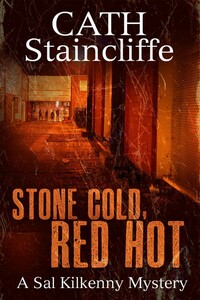
When private eye Sal Kilkenny is asked to discover the whereabouts of Jennifer Pickering, disinherited by her family twenty years ago, it seems that Jennifer does not want to be found. Despite her initial reservations, as the events of the past gradually unfold, single-mum Sal finds that she is becoming engrossed in the case. There are dark secrets waiting to be uncovered but can Sal break the conspiracy of silence that surrounds this mystery? As she spends her days tracing Jennifer, Sal's nights become shattered by an emotional and often dangerous assignment with the Neighbour Nuisance Unit on one of Manchester's toughest housing estates.
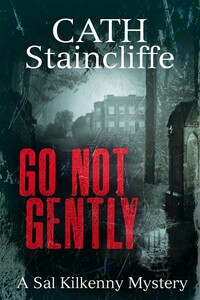
From the author of LOOKING FOR TROUBLE, a further crime novel featuring private investigator Sal Kilkenny. When a man is distraught at his wife's apparent infidelity, he enlists the help of Sal to confirm his suspicions, only to find himself a widower soon afterwards. From there Sal's other case also begins to take a disturbing and violent turn.

The fourth Blue Murder novel written by the creator of the hit ITV police drama starring Caroline Quentin as DCI Janine Lewis.A well-respected family GP is found shot dead outside his surgery; who could possibly want to kill him? As DCI Janine Lewis and her team investigate they uncover stories of loyalty, love, deception, betrayal and revenge.Praise for the Blue Murder books'Complex and satisfying in its handling of Lewis's agonised attempts to be both a good cop and a good mother.' The Sunday Times'Uncluttered and finely detailed prose.' Birmingham Post'Beautifully realised little snapshots of the different characters' lives… Compelling stuff.' Sherlock Magazine'A swift, satisfying read.' City Life'Precise and detailed delineation of contemporary family relationships.' Tangled Web'Lewis seems set to become another very popular string to Staincliffe's bow as one of the leading English murder writers.' Manchester Metro'Pace and plenty of human interest.' Publishing News'Blending the warmth of family life with the demands of a police investigation.'Manchester Evening News'Juggling work and family is a challenge of modern life and encountering realistically portrayed women with family responsibilities is a pleasure.

В книге рассказывается история главного героя, который сталкивается с различными проблемами и препятствиями на протяжении всего своего путешествия. По пути он встречает множество второстепенных персонажей, которые играют важные роли в истории. Благодаря опыту главного героя книга исследует такие темы, как любовь, потеря, надежда и стойкость. По мере того, как главный герой преодолевает свои трудности, он усваивает ценные уроки жизни и растет как личность.
В книге рассказывается история главного героя, который сталкивается с различными проблемами и препятствиями на протяжении всего своего путешествия. По пути он встречает множество второстепенных персонажей, которые играют важные роли в истории. Благодаря опыту главного героя книга исследует такие темы, как любовь, потеря, надежда и стойкость. По мере того, как главный герой преодолевает свои трудности, он усваивает ценные уроки жизни и растет как личность.

Крепко сцепились магнат Губин и вице-президент его издательского холдинга Булыгин. Дошло до того, что первый «заказал» второго. И Булыгин исчез. А следом за этим вдруг задушена в лифте жена Губина. Сотрудники холдинга не знают, что и думать: есть ли связь между двумя этими ошеломительными событиями?Косыми взглядами провожают они Регину Никитину, у которой явно роман с их шефом. Они ничего не скрывают от опера Занозина — и фигуры двух влюбленных сразу же попадают у сыщика на заметку. Других серьезных подозреваемых он пока не видит.
В книге рассказывается история главного героя, который сталкивается с различными проблемами и препятствиями на протяжении всего своего путешествия. По пути он встречает множество второстепенных персонажей, которые играют важные роли в истории. Благодаря опыту главного героя книга исследует такие темы, как любовь, потеря, надежда и стойкость. По мере того, как главный герой преодолевает свои трудности, он усваивает ценные уроки жизни и растет как личность.
В книге рассказывается история главного героя, который сталкивается с различными проблемами и препятствиями на протяжении всего своего путешествия. По пути он встречает множество второстепенных персонажей, которые играют важные роли в истории. Благодаря опыту главного героя книга исследует такие темы, как любовь, потеря, надежда и стойкость. По мере того, как главный герой преодолевает свои трудности, он усваивает ценные уроки жизни и растет как личность.
В книге рассказывается история главного героя, который сталкивается с различными проблемами и препятствиями на протяжении всего своего путешествия. По пути он встречает множество второстепенных персонажей, которые играют важные роли в истории. Благодаря опыту главного героя книга исследует такие темы, как любовь, потеря, надежда и стойкость. По мере того, как главный герой преодолевает свои трудности, он усваивает ценные уроки жизни и растет как личность.