Children of the Street - [15]
Chikata stood up as well. He and Dawson followed Simon out the door and down the narrow stairs to reception on the second floor, a relatively open area at the intersection of the three wings of the sand-colored building. The two receptionists and a growing crowd of people were standing around a scrawny teenage girl, who was on the floor weeping.
Crouched beside the girl was a stout young woman imploring her in Twi, “Akosua, please, get up. Don’t cry, Akosua, eh? Please.”
She was trying to scoop Akosua into her arms, but the girl was unwieldy, as limp and floppy as a rag doll. In between sobs, she was saying something that Dawson could not make out at first.
Simon looked at him and said, “Massa, it’s your name she’s calling.”
“My name?” Dawson said, craning forward. “Are you sure?”
Simon was right. In Twi, Akosua was moaning, “I want Mr. Darko, I want to talk to Mr. Darko.”
He knelt down beside the woman. “Are you her friend?”
“Yes, please. My name is Regina. You are Inspector Darko? The one they said in the newspaper we should call if we have information on the boy in Korle Lagoon?”
“Yes.”
“Please, yesterday Akosua and I saw the drawing of the boy. It looks like her boyfriend. She has been looking for him for more than one week. She won’t eat, and she can’t sleep. I have to force her to drink even just a little bit of water. As soon as she saw the picture, she said, ‘That is Musa,’ and she started to cry. She almost fainted when we were waiting for a tro-tro to bring us here.”
Dawson looked quickly around. First order of business, get Akosua off this stage and away from this audience. Covering her face with her hands, she had quieted down now, only whimpering slightly, breathing quickly and deeply.
Dawson touched her shoulder. “Akosua, I’m Darko. Can you stand up?”
She nodded, still hiding her face, as though scared to face the world.
“Come on, then. I’ll help you.”
Dawson took her arm and supported her as she shakily got to her feet. To Constable Simon, he said, “Please get her some water.”
To talk to her, he needed a relatively quiet and private place, which could be difficult to find at CID. One of the secretaries in the Public Relations Office was standing nearby. Dawson knew she worked in a small office with only one other woman.
“Can we use your room for a moment?”
She nodded. “No problem, sir. It’s free.”
The audience began to disperse, the spectacle of the day over.
Akosua, still unsteady on her feet, leaned against Regina as they followed Dawson down the corridor. Chikata accompanied them into the office, where there were two desks, one with a computer that was switched off. Dawson wondered if it worked. Many of CID’s computers were old, burned-out fixtures.
Chikata moved the chairs from behind the desks, offering them to the young women. Akosua was trembling. Her eyes were bloodshot and as painfully swollen as those of a pummeled boxer. Now, Dawson could get a good look at her. While Regina was around twenty, twenty-one, Akosua couldn’t have been more than about seventeen. She was built very slightly, with a mousy, anxious face. She had a small tribal mark on her left cheek. Her hair was badly cut and straightened, but she had made an effort to gather it back and look sophisticated. Her dress, a Ghanaian print, was on the shabby side with oil stains. She wore cheap plastic slippers. Yet Dawson could see the care she had put into her appearance.
Physically, she and Regina could not have been more unlike each other. Regina was richly made, her body forcing her blouse and tight jeans to conform to her curves. Akosua looked like she ate once every other day.
Constable Simon came in with a bottle of Voltic water.
“Thank you, Simon,” Dawson said.
“No problem, massa. Please, do you need anything else?”
“No, thank you. You can go.”
Dawson snapped the seal on the top of the bottle and handed it to Akosua. “Have water. You need it. Take your time.”
For the first time, Akosua looked up at him and met his gaze. “Thank you,” she whispered, taking the bottle.
Regina, supportively holding her friend’s free hand, watched as she tilted her head back and drank thirstily, her glottis loudly registering each gulp.
“Ei!” Regina exclaimed with a half laugh. “Take a breath, Akosua.”
The girl did, stopping only briefly, and then finished up the bottle.
Dawson took it from her. “Better?”
Akosua nodded, wiping her chin with the back of her hand. “Please, yes. Thank you.”
Dawson perched on the side of the desk, the one with the computer. “So. You wanted to talk to me. Here I am.”
She might have felt intimidated by him or been shy, or both. She looked uncertainly at Regina, who took up the slack and said, “Please, Mr. Dawson, we came to look for you yesterday afternoon, but they said you weren’t here and we should come back today.”
Dawson didn’t comment, but his not hearing about who had come looking for him was a common occurrence. More often than not, the receptionists did not take a message, verbal or written, nor did they pass it on. “Come back tomorrow” was an all-too-frequent response to the visitor in search of a CID officer.
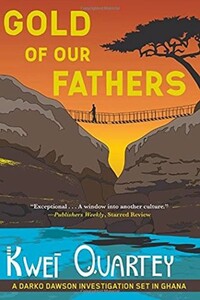
Darko Dawson, Chief Inspector in the Ghana police service, returns in this atmospheric crime series often compared to Alexander McCall Smith's The No. 1 Ladies' Detective Agency novels.Darko Dawson has just been promoted to Chief Inspector in the Ghana Police Service – the promotion even comes with a (rather modest) salary bump. But he doesn't have long to celebrate because his new boss is transferring him from Accra, Ghana's capital, out to remote Obuasi in the Ashanti region, an area now notorious for the illegal exploitation of its gold mines.When Dawson arrives at the Obuasi headquarters, he finds it in complete disarray.
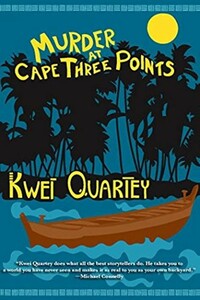
At Cape Three Points on the beautiful Ghanaian coast, a canoe washes up at an oil rig site. The two bodies in the canoe – who turn out to be a prominent, wealthy, middle-aged married couple – have obviously been murdered; the way Mr. Smith-Aidoo has been gruesomely decapitated suggests the killer was trying to send a specific message – but what, and to whom, is a mystery.The Smith-Aidoos, pillars in their community, are mourned by everyone, but especially by their niece Sapphire, a successful pediatric surgeon in Ghana's capital, Accra.

Люси и Джейк – образцовые супруги. У них двое детей, уютный домик и налаженный семейный быт. Он строит карьеру. Она посвятила всю себя семье. Но тихую идиллию нарушает шокирующая весть. Джейк изменил Люси. Теперь уже ничто не будет как прежде… Боль от предательства. Разбитые надежды. Люси и Джейк решают остаться вместе, но с одним условием. Чтобы «уравнять» супругов и спасти брак, Люси трижды причинит боль Джейку… Любым способом, каким захочет.

Во время летнего фестиваля искусств на территории бывшей графской усадьбы происходит убийство. Чеховская чайка, призванная олицетворять свободный творческий полёт, может стать символом тёмного мира, где жизнь не имеет цены. Поймёт ли следователь Кречетов, к какому миру принадлежит каждый из персонажей? Сумеет ли он распутать цепочку странных взаимосвязей? А может быть, в этой цепочке замешан призрак графини, блуждающий по аллеям парка и охраняющий тайну старинного клада?
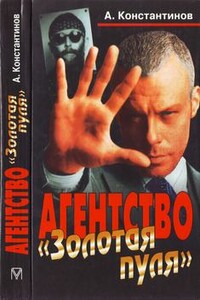
«Золотая пуля» — так коллеги-журналисты называют Агентство журналистских расследований, работающее в Петербурге. Выполняя задания Агентства, его сотрудники встречаются с политиками и бизнесменами, милиционерами и представителями криминального мира. То и дело они попадают в опасные и комичные ситуации.Первая книга цикла состоит из тринадцати новелл, рассказываемых от лица журналистов, работающих в Агентстве. У каждого из них свой взгляд на мир, и они по-разному оценивают происходящие как внутри, так и вне Агентства события.Все совпадения героев книги с реальными лицами лежат на совести авторов.

В книге рассказывается история главного героя, который сталкивается с различными проблемами и препятствиями на протяжении всего своего путешествия. По пути он встречает множество второстепенных персонажей, которые играют важные роли в истории. Благодаря опыту главного героя книга исследует такие темы, как любовь, потеря, надежда и стойкость. По мере того, как главный герой преодолевает свои трудности, он усваивает ценные уроки жизни и растет как личность.
В книге рассказывается история главного героя, который сталкивается с различными проблемами и препятствиями на протяжении всего своего путешествия. По пути он встречает множество второстепенных персонажей, которые играют важные роли в истории. Благодаря опыту главного героя книга исследует такие темы, как любовь, потеря, надежда и стойкость. По мере того, как главный герой преодолевает свои трудности, он усваивает ценные уроки жизни и растет как личность.
В книге рассказывается история главного героя, который сталкивается с различными проблемами и препятствиями на протяжении всего своего путешествия. По пути он встречает множество второстепенных персонажей, которые играют важные роли в истории. Благодаря опыту главного героя книга исследует такие темы, как любовь, потеря, надежда и стойкость. По мере того, как главный герой преодолевает свои трудности, он усваивает ценные уроки жизни и растет как личность.