Стихи - [25]
Вернувшейся из-за морей
И чище сердцем, чем она;
Но тех двоих — забыть бы нам!
О, неотступная мечта
Сердец влюбленных — слиться так
С любимым сердцем, как Айлин
С Байле сплелись, уйдя с земли!
I hardly hear the curlew cry,
Nor the grey rush when the wind is high,
Before my thoughts begin to run
On the heir of Uladh, Buan's son,
Baile, who had the honey mouth;
And that mild woman of the south,
Aillinn, who was King Lugaidh's heir.
Their love was never drowned in care
Of this or that thing, nor grew cold
Because their bodies had grown old.
Being forbid to marry on earth,
They blossomed to immortal mirth.
About the time when Christ was born,
When the long wars for the White Horn
And the Brown Bull had not yet come,
Young Baile Honey Mouth, whom some
Called rather Baile Little-Land,
Rode out of Emain with a band
Of harpers and young men; and they
Imagined, as they struck the way
To many-pastured Muirthemne,
That all things fell out happily,
And there, for all that fools had said,
Baile and Aillinn would be wed.
They found an old man running there:
He had ragged long grass-coloured hair;
He had knees that stuck out of his hose;
He had puddle-water in his shoes;
He had half a cloak to keep him dry,
Although he had a squirrel's eye.
O wandering birds and rushy beds,
You put such folly in our heads
With all this crying in the wind,
No common love is to our mind,
And our poor Kate or Nan is less
Than any whose unhappiness
Awoke the harp-strings long ago.
Yet they that know all things but know
That all this life can give us is
A child's laughter, a woman's kiss.
Who was it put so great a scorn
In the grey reeds that night and morn
Are trodden and broken hy the herds,
And in the light bodies of birds
The north wind tumbles to and fro
And pinches among hail and snow?
That runner said: "I am from the south;
I run to Baile Honey-Mouth,
To tell him how the girl Aillinn
Rode from the country of her kin,
And old and young men rode with her:
For all that country had been astir
If anybody half as fair
Had chosen a husband anywhere
But where it could see her every day.
When they had ridden a little way
An old man caught the horse's head
With: "You must home again, and wed
With somebody in your own land.
A young man cried and kissed her hand,
"O lady, wed with one of us' ;
And when no face grew piteous
For any gentle thing she spake,
She fell and died of the heart-break."
Because a lover's heart s worn out,
Being tumbled and blown about
By its own blind imagining,
And will believe that anything
That is bad enough to be true, is true,
Baile's heart was broken in two;
And he, being laid upon green boughs,
Was carried to the goodly house
Where the Hound of Uladh sat before
The brazen pillars of his door,
His face bowed low to weep the end
Of the harper's daughter and her friend
For athough years had passed away
He always wept them on that day,
For on that day they had been betrayed;
And now that Honey-Mouth is laid
Under a cairn of sleepy stone
Before his eyes, he has tears for none,
Although he is carrying stone, but two
For whom the cairn's but heaped anew.
We hold, because our memory is
So full of that thing and of this,
That out of sight is out of mind.
But the grey rush under the wind
And the grey bird with crooked bill
Have such long memories that they still
Remember Deirdre and her man;
And when we walk with Kate or Nan
About the windy water-side,
Our hearts can hear the voices chide.
How could we be so soon content,
Who know the way that Naoise went?
And they have news of Deirdre's eyes,
Who being lovely was so wise -
Ah! wise, my heart knows well how wise.
Now had that old gaunt crafty one,
Gathering his cloak about him, mn
Where Aillinn rode with waiting-maids,
Who amid leafy lights and shades
Dreamed of the hands that would unlace
Their bodices in some dim place
When they had come to the marriage-bed,
And harpers, pacing with high head
As though their music were enough
To make the savage heart of love
Grow gentle without sorrowing,
Imagining and pondering
Heaven knows what calamity;
"Another's hurried off," cried he,
"From heat and cold and wind and wave;
They have heaped the stones above his grave
In Muirthemne, and over it
In changeless Ogham letters writ -
Baile, that was of Rury's seed.
But the gods long ago decreed
No waiting-maid should ever spread
Baile and Aillinn's marriage-bed,
For they should clip and clip again
Where wild bees hive on the Great Plain.
Therefore it is but little news
That put this hurry in my shoes."
Then seeing that he scarce had spoke
Before her love-worn heart had broke.
He ran and laughed until he came
To that high hill the herdsmen name
The Hill Seat of Laighen, because
Some god or king had made the laws
That held the land together there,
In old times among the clouds of the air.
That old man climbed; the day grew dim;
Two swans came flying up to him,
Linked by a gold chain each to each,
And with low murmuring laughing speech
В книге рассказывается история главного героя, который сталкивается с различными проблемами и препятствиями на протяжении всего своего путешествия. По пути он встречает множество второстепенных персонажей, которые играют важные роли в истории. Благодаря опыту главного героя книга исследует такие темы, как любовь, потеря, надежда и стойкость. По мере того, как главный герой преодолевает свои трудности, он усваивает ценные уроки жизни и растет как личность.
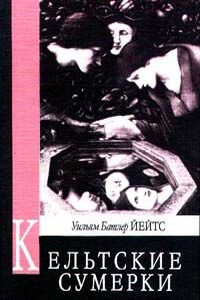
Уильям Батлер Йейтс (1865–1939) — классик ирландской и английской литературы ХХ века. Впервые выходящий на русском языке том прозы "Кельтские сумерки" включает в себя самое значительное, написанное выдающимся писателем. Издание снабжено подробным культурологическим комментарием и фундаментальной статьей Вадима Михайлина, исследователя современной английской литературы, переводчика и комментатора четырехтомного "Александрийского квартета" Лоренса Даррелла (ИНАПРЕСС 1996 — 97). "Кельтские сумерки" не только собрание увлекательной прозы, но и путеводитель по ирландской истории и мифологии, которые вдохновляли У.
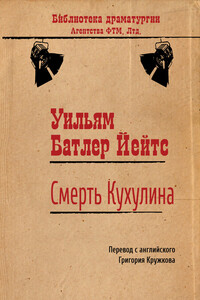
Пьеса повествует о смерти одного из главных героев ирландского эпоса. Сюжет подан, как представление внутри представления. Действие, разворачивающееся в эпоху героев, оказывается обрамлено двумя сценами из современности: стариком, выходящим на сцену в самом начале и дающим наставления по работе со зрительным залом, и уличной труппой из двух музыкантов и певицы, которая воспевает героев ирландского прошлого и сравнивает их с людьми этого, дряхлого века. Пьеса, завершающая цикл посвящённый Кухулину, пронизана тоской по мифологическому прошлому, жившему по другим законам, но бывшему прекрасным не в пример настоящему.
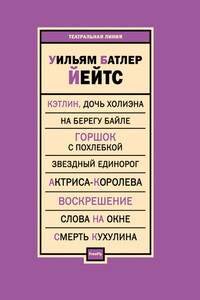
Уильям Батлер Йейтс (1865–1939) – великий поэт, прозаик и драматург, лауреат Нобелевской премии, отец английского модернизма и его оппонент – называл свое творчество «трагическим», видя его основой «конфликт» и «войну противоположностей», «водоворот горечи» или «жизнь». Пьесы Йейтса зачастую напоминают драмы Блока и Гумилева. Но для русских символистов миф и история были, скорее, материалом для переосмысления и художественной игры, а для Йейтса – вечно живым источником изначального жизненного трагизма.
Эта пьеса погружает нас в атмосферу ирландской мистики. Капитан пиратского корабля Форгэл обладает волшебной арфой, способной погружать людей в грезы и заставлять видеть мир по-другому. Матросы довольны своим капитаном до тех пор, пока всё происходит в соответствии с обычными пиратскими чаяниями – грабёж, женщины и тому подобное. Но Форгэл преследует другие цели. Он хочет найти вечную, высшую, мистическую любовь, которой он не видел на земле. Этот центральный образ, не то одержимого, не то гения, возвышающегося над людьми, пугающего их, но ведущего за собой – оставляет широкое пространство для толкования и заставляет переосмыслить некоторые вещи.
Старик и юноша останавливаются у разрушенного дома. Выясняется, что это отец и сын, а дом когда-то принадлежал матери старика, которая происходила из добропорядочной семьи. Она умерла при родах, а муж её, негодяй и пьяница, был убит, причём убит своим сыном, предстающим перед нами уже стариком. Его мучают воспоминания, образ матери возникает в доме. Всем этим он делится с юношей и поначалу не замечает, как тот пытается убежать с их деньгами. Но между ними начинается драка и Старик убивает своего сына тем же ножом, которым некогда убил и своего отца, завершая некий круг мучающих его воспоминаний и пресекая в сыне то, что было страшного в его отце.