Delta Green - [29]
McKenna offered a hand to Tang and pushed her through the hatch. Once he was clear, he tapped the red button on the other side. The door closed behind them as they tugged their way down the spoke. It was twelve feet in diameter and double walled. Between the walls ran the ventilation ducting, electrical conduits, heating and cooling coils, and thick insulation. Since the satellite did not rotate, there was a hot side and a cold or night side. One mainframe computer was dedicated to the task of cooling and heating the satellite’s skin in order to keep the variance of several hundred degrees bearable to the inhabitants.
Along the spoke’s thirty-foot length were access panels for maintenance and two yellow hatches; they were the only decorative aspect of the tube. The only windows, large portholes, on the station were located in the Command Center and in each of the three dining rooms. They were positioned so as to prevent the client contractor’s visiting scientists from viewing MakoShark arrivals and departures on the hangar side of the hub.
Visitors also were unaware that the yellow hatches in the residential spokes provided access to lifeboats. The boats attached to the spokes were nothing more them capsules with thirty days of oxygen and edibles, but knowledge of their presence could be upsetting to delicate academic minds.
McKenna and Tang floated past the section of sleeping and hygiene compartments and into the dining room. These spaces were also the only recreational areas, and they had actual tables and chairs to which people could fasten themselves. Board and card games were available. Electronic games were attached to one bulkhead.
The kitchen was against yet another bulkhead in the form of O’Hara’s three dispensing stations, which he had labeled “Junk,” “Back Home,” and “Cuisine.”
They perused the offerings in each specialty.
“Light lunch for me,” Tang told him, selecting a salad encased in a plastic pouch.
McKenna opened a clear plastic door in the “Back Home” dispenser and picked up a chicken-fried steak sandwich. He floated across to the microwave oven and zapped it for two minutes.
Tang retrieved coffee pouches, sailed them to him, and he heated them, also.
Then they towed their luncheon to a table and strapped themselves down.
Two off-duty techs were zapping asteroids or something at one of the electronic games, but otherwise the compartment was deserted. A pink, dawnish view of Antarctica dominated the porthole. Streaks of dark gray crevices ran like veins through the pink ice.
McKenna ripped the tape from the straw for his coffee pouch and took a sip. The coffee was as good as that in any American truck stop.
“How are the kids, Polly?”
She gave him one of her great smiles. “Danny likes his school, or so he says. And I’m going Earth-side next week for Maggie’s fourth birthday.”
“It’s about time for you to stay Earth-side, isn’t it?”
“I’m going to do one more six-month tour. God, I’m going to miss it, Kevin.”
He opened his sandwich pouch and took a bite out of it. There was no gravy, and it wasn’t as crumbly as it should have been, but it wasn’t bad. Most of their food lacked textures and liquefaction that was natural on Earth. Gravy and crumbs tended to float around and get in the way of other activities.
“You haven’t reported in,” Tang accused.
“They’ll find me if they need me.”
“Tell me about Amy,” she said. She had soft gray eyes that laughed a lot, and they were amused just then.
“Amy?”
“Come on, McKenna. You two got a thing going?”
“Hey, where do you get that?”
“Everyone knows the relationship has changed. Since the New Germany bit.”
He was spared answering by the PA system.
“Colonel McKenna, contact the Command Center,” Overton ordered.
“Excuse me, Polly.”
He released his Velcro seatbelt and shoved off the chair for a wall-mounted intercom.
Pressing the pad labeled “Cmd Cntr,” he said, “McKenna”
Overton responded, “You want to come over here, McKenna? We’ve got a UFO closing on a HoneyBee.”
Chapter Six
Comrades Shelepin and Pavel were late and arrived at the airfield just a few minutes before the encounter was to take place.
As the two generals deplaned from their civilian-marked Dassault MD.315, a thirty-year-old, twin-engined transport that could traverse Southeast Asia without raising eyebrows, the ground crews were already winching the camouflaged hills back into place over the pierced steel plank runway.
Oleg Druzhinin crossed the field to the runway’s edge to meet them.
Druzhinin always felt diminutive and colorless when confronted with the mass of Shelepin. He could have been obese, but his immaculately tailored gray suit made him a block of granite. His face was beefy, and his piercing blue eyes were magnified by the lens of his wire-rimmed spectacles. His hair was full, trimmed carefully over the ears, and barely tinged with gray.
Sergei Pavel was several centimeters shorter than the Chairman of the New World Politburo. The Deputy Chairman had watery, pale eyes and sunken cheeks, and he was almost completely bald. He favored dark fedoras, even in the sweltering heat of Kampuchea. He, too, was dressed in a suit, but one which was fitted loosely to his emaciated frame. Both men wore ties, which Druzhinin thought demonstrated their inability to adapt to the climate.

Алина совсем ничего не знала про своего деда. Одинокий, жил в деревне, в крепком двухэтажном доме. На похоронах кто-то нехорошо высказался о нем, но люди даже не возмутились. После похорон Алина решила ненадолго остаться здесь, тем более что сын Максимка быстро подружился с соседским мальчишкой. Черт, лучше бы она сразу уехала из этой проклятой деревни! В ту ночь, в сырых сумерках, сын нашел дедов альбом с рисунками. Алина потом рассмотрела его, и сердце ее заледенело от ужаса. Зачем дед рисовал этот ужас?!! У нее еще было время, чтобы разглядеть нависшую угрозу и понять: обнаружив ночью альбом с рисунками, она перешагнула черту, за которой начинается территория, полная мерзких откровений.
В книге рассказывается история главного героя, который сталкивается с различными проблемами и препятствиями на протяжении всего своего путешествия. По пути он встречает множество второстепенных персонажей, которые играют важные роли в истории. Благодаря опыту главного героя книга исследует такие темы, как любовь, потеря, надежда и стойкость. По мере того, как главный герой преодолевает свои трудности, он усваивает ценные уроки жизни и растет как личность.

Пока маньяк-убийца держит в страхе весь город, а полиция не может его поймать, правосудие начинают вершить призраки жертв…

Любовь и ненависть, дружба и предательство, боль и ярость – сквозь призму взгляда Артура Давыдова, ученика 9-го «А» трудной 75-й школы. Все ли смогут пройти ужасы взросления? Сколько продержится новая училка?
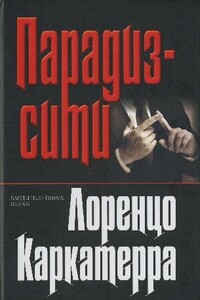
Вот уже почти двадцать лет Джанкарло Ло Манто — полицейский из Неаполя — личный враг мафиозной семьи Росси. Он нанес ей миллионный ущерб, не раз уходил от наемных убийц и, словно заговоренный, не боясь смерти, снова бросался в бой. Потому что его война с мафией — это не просто служебный долг, это возмездие за убийство отца, друзей, всех тех, кто не захотел покориться и жить по законам преступного мира. Теперь Ло Манто предстоит вернуться в Нью-Йорк, город его детства, город его памяти, для последнего решающего поединка.

Во время разгульного отдыха на знаменитом фестивале в пустыне «Горящий человек» у Гэри пропала девушка. Будто ее никогда и не существовало: исчезли все профили в социальных сетях и все офи-циальные записи, родительский дом абсолютно пуст. Единственной зацепкой становятся странные артефакты – свитки с молитвами о защите от неких Чужаков. Когда пораженного содержанием свитков парня похищают неизвестные, он решает, что это Чужаки пришли за ним. Но ему предстоит сделать страшное открытие: Чужак – он сам…