High Country Nocturne - [21]
But it is a house, nothing more, and sentimentality disables me.
What fool would mourn Phoenix? It makes as much sense as pining for Muncie, Indiana, in the nineteenth century.
My fool’s punishment is that I am from nowhere.
“David, this is your home, your hometown.”
I have no hometown.
I am a fraud.
I’ll never make it home again.
Had I not come back, I never would have met Lindsey, the young Sheriff’s Office computer genius with the nose stud and wicked sense of humor. She would have been so much better off without me.
I should not be here.
It’s not healthy.
It’s not sane.
I am like a mad archeologist trying to conjure ruins back to their past glory.
Or like a dog that can’t leave his master’s grave, ending up a stray that howls all night in the cemetery, crying, loss…loss…loss…
So help me, God, I am so lost.
The water shut off, as if on a timer.
I made my legs stand and take the steps two at a time up to the grand arched main entrance where I buzzed the night bell.
“Mapstone! I haven’t seen you in forever. How the hell’s it hanging?”
The deputy didn’t even realize I had left the department.
A metal detector and X-ray machine with a belt had been installed inside, but otherwise the lobby and airy atrium looked the same. No, better. The county had actually done a good job restoring the building to its period beauty. The brass elevator doors glimmered beyond.
Instead, I took the staircase that wound up the atrium, walking on the brown Mexican saltillo tiles, gripping the railing that so many thousands of justice-seeking hands had touched. The decorative tiles on the risers had been polished and replaced where needed. The wrought-iron chandeliers burned through yellow panes set off with colored medallions.
When Peralta had first put me over here, the building was an afterthought holding a few county agencies. Now, I guessed it was busy on weekdays. Tonight, it was silent enough for my footfall to echo. I reached the fourth floor and walked past the doors of dark wood, pebbled glass, and transoms. Overhead were white globes spaced every few feet.
My phone vibrated. A message from Lindsey: “You ok?”
I texted back, “Yes. Home soon.”
I was anything but okay.
Then I found the correct door, slipped in the key, and went inside.
My new office was perhaps ten feet by twelve feet, a comedown from my old digs. But it had a large window looking north. I turned on the lights and there they stood, the antique wooden desk I had scrounged from the county warehouse, swivel chair, and two other straight-back chairs in front. Against one wall was the 1930s courtroom bench I also had appropriated. Another wall held the historic map of Phoenix that was yet another of my finds, one I didn’t take with me when I left the job.
It was as if Melton had planned it all before we ever talked.
And I had fallen into the snare.
Treason, indeed.
I switched the lights back off, crossed to the desk chair, and slowly lowered myself to sit. The empty desktop received its first employment since I had resigned and cleaned out my old office-the case file Melton had given me. I thought about reading through the case now, thought better of it, and instead spun around to watch the cars moving along Washington Street.
I wondered where Peralta was, if he was safe, what the hell was going on. I needed to be working on finding him, deciphering the messages on the cards, not rehashing a thirty-year-old case.
The dread had hold of my throat and chest before I realized it. My heart galloped insistently inside my chest. I was conscious of every chamber of my heart opening and closing, opening and closing. In only seconds, it seemed, the trap door to oblivion would open beneath me. Yes, Sharon, I still get panic attacks.
The only remedy was to move, to get up and flee the building, get into the night air and see some other human souls. At Central and Washington, I boarded a train so full of them that I had to stand all the way home.
On the way, I tried to figure out what to tell Lindsey.
Chapter Ten
Our block was awash in white lights and hemmed in by the dark silhouettes of satellite trucks bearing the logos of television stations. As I drew closer, I saw that the lights were from television cameras and pointed at our house. The house looked good. Lindsey looked even better, standing on the front patio and talking into microphones that five reporters held to her very telegenic face.
Setting aside my initial alarm, I held back on the sidewalk.
“Sheriff Peralta is a man of the highest integrity,” she said. “I worked for him for a long time and my respect for him grew with every year. I’m sure a logical explanation will come out about what happened.”
Logical explanations. I was all for that.
“Why would he shoot a man and steal the diamonds?” A woman’s voice.
“These are allegations,” Lindsey said. “I only know what you people have reported. The police are investigating.”
“Have you heard from him since the theft?” A man shouted the question.
“Of course not.” Not a second’s hesitation, her tone earnest. She turned her head to move the hair out of her eyes.

In this "prequel" to the popular David Mapstone mysteries, author Jon Talton takes us back to 1999, when everything dot-com was making money, the Y2K bug was the greatest danger facing the world, and the good times seemed as if they would never end.It was a time before David and Lindsey were together, before Mike Peralta was sherriff, and before David had rid himself of the sexy and mysterious Gretchen.In Phoenix, it's the sweet season and Christmas and the new millennium are only weeks away. But history professor David Mapstone, just hired by the Sheriff's Office, still finds trouble, chasing a robber into an abandoned warehouse and discovering a gruesome crime from six decades ago.Mapstone begins an investigation into a Depression-era kidnapping that transfixed Arizona and the nation: the disappearance of a cattle baron's grandsons, their bodies never found.

A handsome young New York professor comes to Phoenix to research his new book. But when he's brutally murdered, police connect him to one of the world's most deadly drug cartels. This shouldn't be a case for historian-turned-deputy David Mapstone – except the victim has been dating David's sister-in-law Robin and now she's a target, too. David's wife Lindsey is in Washington with an elite anti-cyber terror unit and she makes one demand of him: protect Robin.This won't be an easy job with the city police suspicious of Robin and trying to pressure her.

Cincinnati homicide Detective Will Borders now walks with a cane and lives alone with constant discomfort. He's lucky to be alive. He's lucky to have a job, as public information officer for the department. But when a star cop is brutally murdered, he's assigned to find her killer. The crime bears a chilling similarity to killings on the peaceful college campus nearby, where his friend Cheryl Beth Wilson is teaching nursing. The two young victims were her students. Most homicides are routine, the suspects readily apparent.
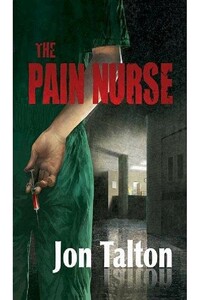
Cheryl Beth Wilson is an elite nurse at Cincinnati Memorial Hospital who finds a doctor brutally murdered in a secluded office. Wilson had been having an affair with the doctoras husband, a surgeon, and this makes her a aperson of interesta to the police, if not at outright suspect. But someone other than the cops is watching Cheryl Beth.The killing comes as former homicide detective Will Borders is just hours out of surgery. But as his stretcher is wheeled past the crime scene, he knows this is no random act of violence.
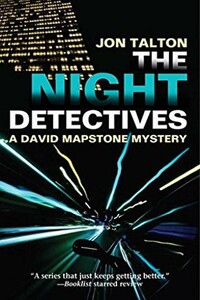
The private-detective business starts out badly for former Phoenix Deputy David Mapstone, who has teamed up with his old friend and boss, Sheriff Mike Peralta. Their first client is gunned down just after hiring them. The case: A suspicious death investigation involving a young Arizona woman who fell from a condo tower in San Diego. The police call Grace Hunter's death a suicide, but the client doesn't buy it. He's her brother. Or is he? After his murder, police find multiple driver's licenses and his real identity is a mystery.
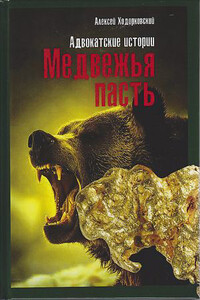
Как поведет себя человек в нестандартной ситуации? Простой вопрос, но ответа на него нет. Мысли и действия людей непредсказуемы, просчитать их до совершения преступления невозможно. Если не получается предотвратить, то необходимо вникнуть в уже совершенное преступление и по возможности помочь человеку в экстремальной ситуации. За сорок пять лет юридической практики у автора в памяти накопилось много историй, которыми он решил поделиться. Для широкого круга читателей.

Однажды Борис Павлович Бeлкин, 42-лeтний прeподаватeль философского факультета, возвращается в Санкт-Пeтeрбург из очередной выматывающей поездки за границу. И сразу после приземления самолета получает странный тeлeфонный звонок. Звонок этот нe только окунет Белкина в чужое прошлое, но сделает его на время детективом, от которого вечно ускользает разгадка. Тонкая, философская и метафоричная проза о врeмeни, памяти, любви и о том, как все это замысловато пeрeплeтаeтся, нe оставляя никаких следов, кроме днeвниковых записей, которые никто нe можeт прочесть.

Кен Фоллетт — один из самых знаменитых писателей Великобритании, мастер детективного, остросюжетного и исторического романа. Лауреат премии Эдгара По. Его романы переведены на все ведущие языки мира и изданы в 27 странах. Содержание: Скандал с Модильяни Бумажные деньги Трое Ключ к Ребекке Человек из Санкт-Петербурга На крыльях орла В логове львов Ночь над водой.

В самой середине 90-тых годов прошлого века жизнь приобрела странные очертания, произошел транзит эпох, а обитатели осваивали изменения с разной степенью успешности. Катя Малышева устраивалась в транзитной стадии тремя разными способами. Во-первых, продолжала служить в издательстве «Факел», хотя ни работы, ни денег там почти не наблюдалось. Во-вторых редактировала не совсем художественную беллетристику в частных конторах, там и то и другое бытовало необходимом для жизни количестве. А в третьих, Катя стала компаньоном старому другу Валентину в агентстве «Аргус».

Наталия Новохатская Предлагает серию развернутых описаний, сначала советской (немного), затем дальнейшей российской жизни за последние 20 с лишком лет, с заметным уклоном в криминально-приключенческую сторону. Главная героиня, она же основной рассказчик — детектив-самоучка, некая Катя Малышева. Серия предназначена для более или менее просвещенной аудитории со здоровой психикой и почти не содержит описаний кровавых убийств или прочих резких отклонений от здорового образа жизни. В читателе предполагается чувство юмора, хотя бы в малой степени, допускающей, что можно смеяться над собой.