Cactus Heart - [22]
“Dr. Sharon? The highest functioning woman in Phoenix?”
“Trust me,” Lindsey said. “I know.”
She had distracted me just enough that I launched into a story about Mike and Sharon from years ago, when he was just a deputy and she was a mousy housewife. It was a funny story. An illuminating one.
“Dave.”
I stopped talking.
“Linda died today.”
Her mother.
It took about fifteen minutes to drive through the deserted streets to Lindsey’s apartment in Sunnyslope, an eclectic neighborhood strewn across the high ground rising up to North Mountain. I had a leather jacket over a sweatshirt and jeans: It was colder outside, a definite chill from the High Country. I was wide awake.
She had about a dozen candles burning in the book-filled apartment and music on the CD player from a band that I had learned from her was called Pavement. I’ve lost enough people in my life, hell, I started with losses even before I was out of diapers. So it’s second nature to know there are no words that really give comfort and many that can make things worse. I’d be worthless as a writer of sympathy cards. So I just made her a martini, dry with Bombay Sapphire, and held her, slowly stroking her soft, straight hair. She didn’t cry.
Then we ended up making love on the hardwood floor in front of her sofa. Clothes halfway off, her miniskirt bunched up around her waist, her heavy black shoes still on and cutting into my back. It didn’t seem right, appropriate, whatever. But I lost myself in it. She came with an angry, anguished screaming, clinging so tightly to me I thought my neck would snap. But I let her hang on, and she did for a long, long time. She says I am a “dark, sensual creature.” But that’s really a description of her.
We’d been together for only five months. She was my ally on that first case last summer, when I was newly back in Phoenix, a year out of the divorce with Patty and still feeling my way back into the cop world. Lindsey was the one holding my hand when I woke up in a hospital with a bullet hole in my shoulder. We read books to each other, made love with an athletic joy, and shared a rebellious sensibility that verged on the misanthropic. But she was also an unfolding mystery and I liked that.
She wanted me to teach her history and we shared a love of literature. But she drew the line at jazz. Her musical tastes tended toward indy rock, a campy love of 1970s disco and even some rap. So we carried on an uneasy truce across a green line of music and love. Neither of us had spoken that word yet, “love.” We hadn’t had the conversations that once were a given at certain points in what our age calls “relationships”: the “where are we going?” talk, the “what do you mean to me?” talk, the “forever” talk.
That was fine with me. Maybe it was a naive hope that if we didn’t abandon the mystery of early courtship we wouldn’t lose its passion. Maybe some of it was our age difference, but not the way people would think. Most of it was the knowledge that comes after you realize that love doesn’t last forever, that lovers move on, parents grow old, children die. That we live in a time of disconnection and abandonment. Maybe people in her generation seemed to come to that knowledge sooner. I didn’t know.
“She killed herself.”
I stroked her hair and said quietly, “Oh, baby.”
“She used a gun.”
I had never met her mother. Another of the rituals of courtship we never consummated. I knew her parents were divorced. Her father had been killed in Vietnam when she was a baby and her mother became a hippy-she was a true child of recent history. Lindsey and her mother weren’t close. I could remember no visits or phone calls, just a passing reference to her mother living somewhere in the suburbs, Chandler, I think.
I felt her swallow hard. “Women usually use pills,” Lindsey said.
Then, in a different voice, “Tell me about your case, History Shamus. What did we find down there under that warehouse?”
“Lindsey, tell me about your mother.”
I could feel her tense a little, then let it go.
“Oh, Dave.” She sighed. “God, I wish I hadn’t given up smoking.” She drummed her fingers on my calf. “I hardly knew her.”
She flashed the blue eyes at me. “She heard voices. It scared me when I was little. I didn’t know what it was all about. She took us from place to place. I used to see the different men she’d bring home, and she’d moan and screech behind the bedroom door. I thought they were hurting her. And she’d go into rages. She’d just walk away for days at a time. It was years before she got help, and she didn’t always take her drugs. The legal ones, I mean. She did really well with the illegal kind. My upbringing wasn’t Leave It to Beaver.”
I just listened. She stroked my leg with a light, detached touch, making my leg hair stand up straight.
“It was all properly seventies and absurd,” she laughed low and humorless. Then, in another voice, “I don’t hate her. She was younger than I am now and she had a thing for drugs and booze and bad men. She sure didn’t want to be a mother. It’s just that I couldn’t bring myself to love her, and if that makes me a monster, fuck everybody. Fuck everybody.”
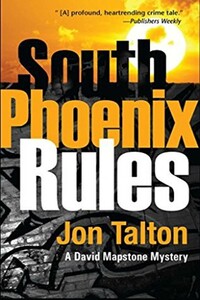
A handsome young New York professor comes to Phoenix to research his new book. But when he's brutally murdered, police connect him to one of the world's most deadly drug cartels. This shouldn't be a case for historian-turned-deputy David Mapstone – except the victim has been dating David's sister-in-law Robin and now she's a target, too. David's wife Lindsey is in Washington with an elite anti-cyber terror unit and she makes one demand of him: protect Robin.This won't be an easy job with the city police suspicious of Robin and trying to pressure her.
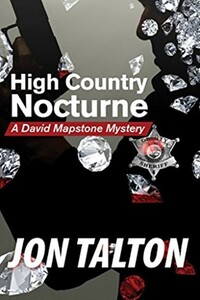
A cache of diamonds is stolen in Phoenix. The prime suspect is former Maricopa County Sheriff Mike Peralta, now a private investigator. Disappearing into Arizona's mountainous High Country, Peralta leaves his business partner and longtime friend David Mapstone with a stark choice. He can cooperate with the FBI, or strike out on his own to find Peralta and what really happened. Mapstone knows he can count on his wife Lindsey, one of the top "good hackers" in law enforcement. But what if they've both been betrayed? Mapstone is tested further when the new sheriff wants him back as a deputy, putting to use his historian's expertise to solve a very special cold case.
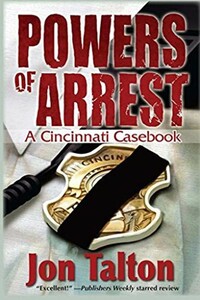
Cincinnati homicide Detective Will Borders now walks with a cane and lives alone with constant discomfort. He's lucky to be alive. He's lucky to have a job, as public information officer for the department. But when a star cop is brutally murdered, he's assigned to find her killer. The crime bears a chilling similarity to killings on the peaceful college campus nearby, where his friend Cheryl Beth Wilson is teaching nursing. The two young victims were her students. Most homicides are routine, the suspects readily apparent.
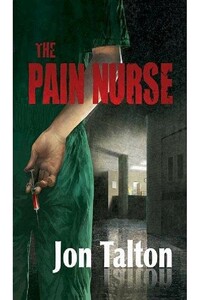
Cheryl Beth Wilson is an elite nurse at Cincinnati Memorial Hospital who finds a doctor brutally murdered in a secluded office. Wilson had been having an affair with the doctoras husband, a surgeon, and this makes her a aperson of interesta to the police, if not at outright suspect. But someone other than the cops is watching Cheryl Beth.The killing comes as former homicide detective Will Borders is just hours out of surgery. But as his stretcher is wheeled past the crime scene, he knows this is no random act of violence.
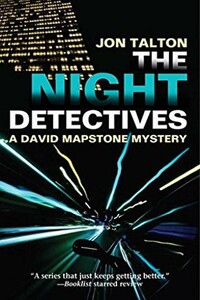
The private-detective business starts out badly for former Phoenix Deputy David Mapstone, who has teamed up with his old friend and boss, Sheriff Mike Peralta. Their first client is gunned down just after hiring them. The case: A suspicious death investigation involving a young Arizona woman who fell from a condo tower in San Diego. The police call Grace Hunter's death a suicide, but the client doesn't buy it. He's her brother. Or is he? After his murder, police find multiple driver's licenses and his real identity is a mystery.

Будущее Джимми Кьюсака, талантливого молодого финансиста и основателя преуспевающего хедж-фонда «Кьюсак Кэпитал», рисовалось безоблачным. Однако грянул финансовый кризис 2008 года, и его дело потерпело крах. Дошло до того, что Джимми нечем стало выплачивать ипотеку за свою нью-йоркскую квартиру. Чтобы вылезти из долговой ямы и обеспечить более-менее приличную жизнь своей семье, Кьюсак пошел на работу в хедж-фонд «ЛиУэлл Кэпитал». Поговаривали, что благодаря финансовому гению его управляющего клиенты фонда «никогда не теряют свои деньги».

Очнувшись на полу в луже крови, Роузи Руссо из Бронкса никак не могла вспомнить — как она оказалась на полу номера мотеля в Нью-Джерси в обнимку с мертвецом?

Действие романа происходит в нулевых или конце девяностых годов. В книге рассказывается о расследовании убийства известного московского ювелира и его жены. В связи с вступлением наследника в права наследства активизируются люди, считающие себя обделенными. Совершено еще два убийства. В центре всех событий каким-то образом оказывается соседка покойных – молодой врач Наталья Голицына. Расследование всех убийств – дело чести майора Пронина, который считает Наталью не причастной к преступлению. Параллельно в романе прослеживается несколько линий – быт отделения реанимации, ювелирное дело, воспоминания о прошедших годах и, конечно, любовь.

Егор Кремнев — специальный агент российской разведки. Во время секретного боевого задания в Аргентине, которое обещало быть простым и безопасным, он потерял всех своих товарищей.Но в его руках оказался секретарь беглого олигарха Соркина — Михаил Шеринг. У Шеринга есть секретные бумаги, за которыми охотится не только российская разведка, но и могущественный преступный синдикат Запада. Теперь Кремневу предстоит сложная задача — доставить Шеринга в Россию. Он намерен сделать это в одиночку, не прибегая к помощи коллег.

Опорск вырос на берегу полноводной реки, по синему руслу которой во время оно ходили купеческие ладьи с восточным товаром к западным и северным торжищам и возвращались опять на Восток. Историки утверждали, что название городу дала древняя порубежная застава, небольшая крепость, именованная Опорой. В злую годину она первой встречала вражьи рати со стороны степи. Во дни же затишья принимала застава за дубовые стены торговых гостей с их товарами, дабы могли спокойно передохнуть они на своих долгих и опасных путях.

Из экспозиции крымского художественного музея выкрадены шесть полотен немецкого художника Кингсховера-Гютлайна. Но самый продвинутый сыщик не догадается, кто заказчик и с какой целью совершено похищение. Грабители прошли мимо золотого фонда музея — бесценной иконы «Рождество Христово» работы учеников Рублёва и других, не менее ценных картин и взяли полотна малоизвестного автора, попавшие в музей после войны. Читателя ждёт захватывающий сюжет с тщательно выписанными нюансами людских отношений и судеб героев трёх поколений.