36 Arguments for the Existence of God - [51]
“I thought we’d have our lunch in here instead of going to the Faculty Club.”
“That’s fine,” says Cass. “Perfect.”
The whole outer wall of Shimmy’s ground-floor office is glass, looking out on the Plotnik Quad. Shimmy goes to the window and stands quietly, his arms awkwardly behind him, as if manacled in cuffs.
“You saw the situation we have out there?” He casts his eyes at Cass. It’s extraordinary, but their color seems to have changed. They’re no longer those cold marbles of blue, but have muddied into brown and are rimmed with shadows that make them appear bruised. His jaw looks slacker, too, and there seems to be more room in the shoulders of his suit.
Cass nods at Shimmy’s question.
“So what do you think?” Shimmy asks lugubriously.
“I can’t imagine it’s anything to take too seriously.”
“No?”
“I wouldn’t think so. The kids are just having a good time. It’s a beautiful day, and they’re using this as an excuse to play outside.”
“They were playing outside, too, in May of 1970, when they broke down the door of this very building and occupied the president’s office for three weeks. They smoked his Havanas, and then wrote a letter to the Weedham Town Crier claiming that he was a secret Castro supporter.”
“With all due respect, Shimmy, I don’t think today’s protests have attained quite that level of seriousness. This is hardly the Vietnam War that they’re protesting.”
“Larry Summers thought he had tsuris? Believe me, I have bigger tsuris.”
Shimmy lets the venetian blind fall with a clatter, blocking out the sunlight that had been streaming in. He indicates a seat at the table for Cass and then sits down himself. Bunny appears as if by telepathy and soundlessly removes the domes from the serving platters. There’s poached salmon, asparagus, wild rice. The wine is chilled and white and from the Golan Heights. Shimmy indicates that Cass should begin, though he himself just stares gloomily at the salmon on the serving plate.
“It’s a volatile situation. A powder box. A tinder keg. It can get ugly fast.”
“I don’t know, Shimmy. I just walked across the campus, and I didn’t pick up anything ugly. If anything, it’s impressive that the kids are putting the issue into some sort of historical context. You can look at it as a triumph of our educational policies.”
Shimmy’s reaction is baffling. At nineteen, he’d been among the legendary paratroopers who had made their way into the Jordanian-held section of East Jerusalem in 1967 and had fought their way to the Wailing Wall. In 1973, Shimmy had led a battalion of soldiers across the Suez Canal and established a bridgehead that had allowed the Israelis to push on toward Cairo. And in 1976, he had helped plan the daring raid (it was always called “a daring raid”) at Entebbe in Uganda that freed one hundred hostages from a hijacked jetliner that had been on its way to Israel. What were a few frolicking students to a warrior like Shimmy Baumzer?
Still, Cass is feeling increasingly uneasy about Shimmy’s distress. The president’s face seems gaunter, and an elegiac line in his upper lip is emerging. His accent no longer sounds incongruous. Instead, it’s the custom-tailored suit that seems the anomaly.
“Deedee feels strongly about bringing the Greek system to Frankfurter. What can I say? Deedee feels strongly.”
Cass nods. If Shimmy doesn’t know what to say, then he, Cass, certainly doesn’t know what to say either.
“I’m being squeezed. Do you know what I’m saying, my friend? Squeezed between a hard place and a firing squad. I can talk to you like this. You’re an ally.”
Cass nods.
“You know, we have in common a good mutual friend. Mona Ganz.”
Again, Cass nods. The truth is, he and Mona are no longer as close as they used to be. There’s been a cooling off since Lucinda and he have been together. Mona’s attitude toward Lucinda hasn’t softened. It’s one of those mysteries that Cass is content to leave unsolved.
“I wouldn’t say that Mona has ever been indiscreet. Such a mindful friend would always be mindful of the loyalties of friendship. But from the little she’s told me, I think you understand the situation I’ve got here.”
Now, what’s that supposed to mean? Better not to think about Mona’s exact words.
“Do I think, my friend, that Frankfurter needs fraternities and sororities in order to be a real college, like, say, the University of Texas? Not necessarily.”
Shimmy sighs, while raising his two hands, the palms open and upward, and his shoulders rising in a shrug: the eternal gesture of the existential resignation of the Yid.
“To have first-rate faculty, faculty that can hold its own against any in the world, including in snooty Cambridge, Massachusetts, that has been my dream, waking, sleeping, day come, day go, morning, night, and noon. Nobody is going to set up tables and hand out flyers demanding that the administration explain itself if we are trying to make here a first-class faculty, with the Jew in the crown-no, what’s the expression? the jewel in the crown, the internationally celebrated author of The Illusion of the Varieties of Religion

В книге рассказывается история главного героя, который сталкивается с различными проблемами и препятствиями на протяжении всего своего путешествия. По пути он встречает множество второстепенных персонажей, которые играют важные роли в истории. Благодаря опыту главного героя книга исследует такие темы, как любовь, потеря, надежда и стойкость. По мере того, как главный герой преодолевает свои трудности, он усваивает ценные уроки жизни и растет как личность.

В городе появляется новое лицо: загадочный белый человек. Пейл Арсин — альбинос. Люди относятся к нему настороженно. Его появление совпадает с убийством девочки. В Приюте уже много лет не происходило ничего подобного, и Пейлу нужно убедить целый город, что цвет волос и кожи не делает человека преступником. Роман «Белый человек» — история о толерантности, отношении к меньшинствам и социальной справедливости. Категорически не рекомендуется впечатлительным читателям и любителям счастливых финалов.

Кто продал искромсанный холст за три миллиона фунтов? Кто использовал мертвых зайцев и живых койотов в качестве материала для своих перформансов? Кто нарушил покой жителей уральского города, устроив у них под окнами новую культурную столицу России? Не знаете? Послушайте, да вы вообще ничего не знаете о современном искусстве! Эта книга даст вам возможность ликвидировать столь досадный пробел. Титанические аферы, шизофренические проекты, картины ада, а также блестящая лекция о том, куда же за сто лет приплыл пароход современности, – в сатирической дьяволиаде, написанной очень серьезным профессором-филологом. А началось все с того, что ясным мартовским утром 2009 года в тихий город Прыжовск прибыл голубоглазый галерист Кондрат Евсеевич Синькин, а за ним потянулись и лучшие силы актуального искусства.

Семейная драма, написанная жестко, откровенно, безвыходно, заставляющая вспомнить кинематограф Бергмана. Мужчина слишком молод и занимается карьерой, а женщина отчаянно хочет детей и уже томится этим желанием, уже разрушает их союз. Наконец любимый решается: боится потерять ее. И когда всё (но совсем непросто) получается, рождаются близнецы – раньше срока. Жизнь семьи, полная напряженного ожидания и измученных надежд, продолжается в больнице. Пока не случается страшное… Это пронзительная и откровенная книга о счастье – и бесконечности боли, и неотменимости вины.
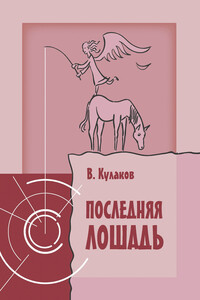
Книга, которую вы держите в руках – о Любви, о величии человеческого духа, о самоотверженности в минуту опасности и о многом другом, что реально существует в нашей жизни. Читателей ждёт встреча с удивительным миром цирка, его жизнью, людьми, бытом. Писатель использовал рисунки с натуры. Здесь нет выдумки, а если и есть, то совсем немного. «Последняя лошадь» является своеобразным продолжением ранее написанной повести «Сердце в опилках». Действие происходит в конце восьмидесятых годов прошлого столетия. Основными героями повествования снова будут Пашка Жарких, Валентина, Захарыч и другие.

В литературной культуре, недостаточно знающей собственное прошлое, переполненной банальными и затертыми представлениями, чрезмерно увлеченной неосмысленным настоящим, отважная оригинальность Давенпорта, его эрудиция и историческое воображение неизменно поражают и вдохновляют. Washington Post Рассказы Давенпорта, полные интеллектуальных и эротичных, скрытых и явных поворотов, блистают, точно солнце в ветреный безоблачный день. New York Times Он проклинает прогресс и защищает пользу вечного возвращения со страстью, напоминающей Борхеса… Экзотично, эротично, потрясающе! Los Angeles Times Деликатесы Давенпорта — изысканные, элегантные, нежные — редчайшего типа: это произведения, не имеющие никаких аналогов. Village Voice.