Когда небеса молчат [заметки]
1
John L. Maes, Suffering: A Caregiver's Guide (Nashville: Abingdon Press, 1990), p. 10.
2
Walter Wink, Engaging the Powers (Minneapolis: Fortress Press, 1992), p. 94.
3
Paul Tournier, The Healing of Persons (San Francisco: Harper&Row, 1965), p. 8.
4
Elie Wiesel, Messengers of God (New York: Summit Books, 1976), p. 124.
5
Paul Tillich, The Eternal Now (New York: Charles Scribner's Sons, 1963), p. 103.
6
Douglas John Hall, God and Human Suffering (Mineapolis: Augsburg Publishing House, 1986), p. 105.
7
Ibid., p. 106.
8
Ibid., p. 107.
9
Viktor E. Frankl, Man's Search for Meaning; revised and updated (New York: Washington Square Press, 1985), p. 172.
10
Lewis B. Smedes, A Pretty Good Person (San Francisco: Harper&Row, 1990), p. 20.
11
Virginia Stem Owens, «The Dark Side of Grace», Christianity Today, July 19, 1993, pp. 32–35.
12
Ibid., p. 35.
13
Ibid.
14
Albert Camus, The Myth of Sisyphus (New York: Vintage Books, 1955), p. 20.
15
Helmut Thielicke, A Thielicke Trilogy (Grand Rapids: Baker Book House, 1980), p. 209.
16
Jory Graham, «Anger as Freedom», To Provide Safe Passage, ed. David and Pauline Rabin (New York: Philosophical Library, 1985), p. 70.
17
C. S. Lewis, The Problem of Pain (New York: Macmillan, 1962), pp. 14, 15.
18
Sue Chance, Stronger Than Death (New York: W W Norton&Company, 1992), p. 50.
19
G. Tom Milazzo, The Protest and the Silence (Minneapolis: Fortress Press, 1992), p. 43.
20
William A. Miller, When Going to Pieces Holds You Together (Minneapolis: Augsburg Publishing House, 1976), pp. 79, 80.
21
James L Crenshaw, «Introduction: The Shift from Theodicy to Anthropodicy», in Theodicy of the Old Testament, ed. James L Crenshaw (Philadelphia: Fortress Press, 1983), p. 2.
22
Ernest Becker, Escape from Evil (New York: The Free Press, 1975), p. 7.
23
Helmut Thielicke, How the World Began, trans. John W Doberstein (Philadelphia: Muhlenburg Press, 1961), p. 171.
24
Warren W Wiersbe, Why Us? (Old Tappan: Fleming H. Revell Company, 1984), p. 46.
25
Richard M. Zaner, «A Philosopher Reflects: A Play Against Night's Advance», in To Provide Safe Passage, ed. David and Pauline Rabin (New York: Philosophical Library, 1985), p. 241.
26
M. Scott Peck, People of the Lie (New York: Simon and Schuster, 1983), p. 41.
27
Crenshaw, op. cit., p. 3.
28
Ibid., p. 1.
29
Kornelis Miskotte, When the Gods Are Silent (New York: Harper &Row, 1967), pp. 252, 253.
30
Gabriel Marcel, Being and Having, trans, by. Kathryn Farrer (London: Dacre Press/Westminister, 1949), p. 143.
31
C.S.Lewis, A Grief Observed, (New York: Bantam, 1976), pp. 4, 5.
32
Quoted by Wiersbe, op. cit., p. 51.
33
Leon Morris, The New International Commentary, the Gospel of John, (Grand Rapids: Win. B. Eerdmans Publishing Co., 1971), p. 477, footnote 5.
34
George A. Turner and Julius R. Mantey, The Gospel of John, (Grand Rapids: Wm. B. Eerdmans Publishing Co., n.d.), p. 202, footnote 1.
35
B. F. Westcott, The Gospel According to St. John (Grand Rapids: Wm. B. Eerdmans Publishing Co., n.d.), p. 144.
36
Philip Yancey, Where Is God When It Hurts? (Grand Rapids: Zondervan Publishing House, 1977), p. 97.
37
Jan Cox–Gedinark, Coping with Physical Disability (Philadelphia: The Westminster Press, 1980), p. 40.
38
Hans Kung, Does God Exist? (New York: Vintage Books, 1981), p. 674.
39
Richard M. Zaner, «A Philosopher Reflects: A Play Against Night's Advance», in To Provide Safe Passage, David and Pauline Rabin, ed. (New York: Philosophical Library, 1985), p. 241.
40
Helmut Thielicke, A Thielicke Trilogy (Grand Rapids: Baker Book House, 1980), pp. 210, 211.
41
Jory Graham, «Anger as Freedom», in To Provide Safe Passage, p. 75.
42
R. Laird Harris, Gleason L. Archer, Jr., Bruce K. Waltke, Theological Wordbook of the Old Testament, Vol. 1 (Chicago: Moody Press, 1980), p. 303.
43
W Lee Humphreys, The Tragic Vision and the Hebrew Tradition (Philadelphia: Fortress Press, 1985), p. 95.
44
Ibid., p. 96.
45
H. Wheeler Robinson, The Cross in the Old Testament (Philadelphia: The Westminister Press, 1955), p. 45.
46
John D. Barbour, Tragedy as a Critique of Virtue (Chico, С A: Scholars Press, 1984), p. ix.
47
Wendy Farley, Tragic Vision and Divine Compassion: A Contemporary Theodicy (Louisville: Westminister/John Knox Press, 1990), p. 12.
48
Michael J. Buckley, S. J. At the Origins of Modern Atheism (New Haven: Yale University Press, 1987), p. 328.
49
Diana and Lisa Berger, We Heard the Angels of Madness ( New York: William Morrow and Company, Inc., 1991), p. 185.
50
Humphreys, op. cit, p. 105.
51
Ibid., emphasis added, p. 115.
52
Cynthia Swindoll quoted in Don Baker, Depression: Finding Hope & Meaning in Life's Darkest Shadow (Portland, Or: Multnomah Press, 1983), p. 5.
53
Maes, op. cit. p. 20.
54
James L. Crenshaw, A Whirlpool of Torment: Israelite Traditions of God as an Oppressive Presence (Philadelphia: Fortress Press, 1984), pp. 59, 60, 61, 63.
55
Ibid., p. 59.
56
С. S. Lewis, A Grief Observed (New York: Bantam Books, 1976), p. 5.
57
H. Wheeler Robinson, The Cross in the Old Testament (Philadelphia: The Westminister Press, 1955), p. 47.
58
Humphreys, op. cit., p. 120.
59
Richard Foster, Prayer: Finding the Heart's True Home (San Francisco: HarperCollins, 1992), p. 18.
60
Ibid., p. 18.
61
Martin Marty, A Cry of Absence (San Francisco: Harper&Row Publishers, 1983), p. 2.
62
Ibid., pp. 2,3.
63
Ibid., p. 5, emphasis added.
64
Dorothee Solle, Suffering (Philadelphia: Fortress Press, 1975), p. 76.
65
Samuel Balentine, The Hidden God (Oxford: Oxford University Press, 1982), p. 172.
66
Walter Brueggemann, The Message of the Psalms (Minneapolis: Augsburg Publishing House, 1984), p. 80.
67
Ibid., p. 80.
68
Ibid., pp. 51,52.
69
Ibid., p. 52.
70
William Styron, Darkness Visible: A Memoir of Madness (New York: Random House, 1990), p. 7.
71
Grace Ketterman, Depression Hits Every Family (Nashville: Oliver Nelson, 1988), pp. 16–19.
72
John White, The Masks of Melancholy (Downer's Grove: InterVarsity Press, 1982), p. 77.
73
For more information about Rapha, call toll free (24–hour) 1–800–227–2657 or the minister's hotline, 1–800–383–HOPE, or write Rapha, 8876 Gulf Freeway, Suite 340, Houston, TX 77017.
74
J. Christian Beker, Suffering and Hope (Philadelphia: Fortress Press, 1987), p. 9.
75
Styron, op. cit., p. 38.
76
Ibid., p. 50.
77
Thomas Moore, Care of the Soul (San Francisco: HarperCollins Publishers, 1992), pp. 137, 138.
78
Lewis, A Grief Observed, p. 34.
79
Manuel de Unamuno, The Private World (Princeton: Princeton University Press, 1984), p. 44.
80
Oswald Chambers, My Utmost for His Highest (New York: Dodd, Mead and Company, 1935), p. 305.
81
Quoted by Philip Yancey, Disappointment with God (Grand Rapids: Zondervan Publishing House, 1988), p. 17.
82
John Irving, A Prayer for Owen Meany (New York: Ballantine Books, 1989), p. 44.
83
Gary Collins, The Magnificent Mind (Waco: Word Books, 1985), pp. 147, 148.
84
I have written about knowing God's will in Don't Just Stand There, Pray Something, Thomas Nelson Publishers, pp. 208–214.
85
J. I. Packer, Hot Tub Religion, (Wheaton: Tyndale House Publishers, 1987), p. 106.
86
John White, The Fight (Downers Grove: InterVarsity Press, 1978), p. 158.
87
John White, Parents in Pain (Downers Grove: InterVarsity Press, 1979), p. 36.
88
Harold Kushner, When All You've Ever Wanted Isn't Enough (New York: SummitBooks, 1986), pp. 150,151.
89
J. В. McBeth, Exegetical Commentary on Romans (Shawnee: Oklahoma Baptist University Press, 1937), p. 198.
90
С. Е. B. Cranfield, Critcal and Exegetical Commentary to Romans, Vol. 1 (Edinburgh: Clark, 1975), p. 429, emphasis added.
91
Ibid., p. 429.
92
Camus, op. cit., p. 3.
93
op.cit, McBeth, p. 198.
94
The New Testament in the Language of the People: Charles B. Williams, copyright © 1937, 1965, 1966, 1986, published by Holman Bible Publishers.
95
Robert Fulghum, Maybe (Maybe Not) (New York: Villard Books, 1993), pp. 105, 106.
96
Henri J.M. Nouwen, The Wounded Healer (New York: Doubleday, 1972), p. 16.

В книге Ирис Юханссон мир ребенка-аутиста описан «изнутри», на собственном опыте. Однако этим уникальность истории Ирис не ограничивается. Это еще и история необыкновенного родительского опыта: отец Ирис, шведский крестьянин, без чьей-либо профессиональной помощи понял проблемы своей дочери. Благодаря его любви, вниманию и отзывчивости Ирис, бывшая ребенком с «глубокими нарушениями общения», сумела их преодолеть. Она стала психологом, консультирующим педагогов и родителей. Книга адресована широкому кругу читателей.
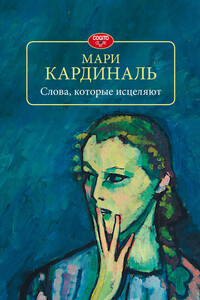
«Слова, которые исцеляют» (1975) – одна из самых известных книг Мари Кардиналь – написана на основе ее собственного опыта в психоанализе. Изображен тот период и те условия, что привели автора к психической нестабильности, а затем к постепенному выздоровлению. Сюжет вращается вокруг женщины, переживающей эмоциональный срыв, порожденный ее отношениями с матерью. Героиня проходит длительный курс психоанализа. Постепенно она понимает, что была не в состоянии справиться с жесткими рамками кодекса поведения патриархальной системы, регулирующими ее жизнь с детства.

В своей книге я написала все свои препятствия, страхи на пути к выздоровлению. Я уверена, что каждый из вас найдет именно в ней именно то, что в данный момент нужно. Между строк можно увидеть себя и провести параллель, даже если у вас вопрос, проблема, связаны не со здоровьем, как у меня. Мне будет приятно услышать от вас лично, чем была полезна моя книга. Для меня это важно, ведь творчество мое не имеет границ и готова написать вам следующую книгу, которая будет так же вам полезна, как и эта.

Человек есть по замыслу Бога существо богоподобное, и потому его нормальная жизнь возможна не иначе, как в общении с Богом, чтобы достигнуть своего истинного назначения и вечного блаженства. История грехопадения Адама и Евы повлияла на все последующее развитие человечества. Принципиальное значение грехопадения наших прародителей заключалось прежде всего в том, что человек перенес центр своей жизни и деятельности с Бога на самого себя. Созданный Богом человек сознательно и свободно решился вместо воли Божией поставить свою волю началом своей жизнедеятельности, самого себя и свою самость сделать центром существующего мира и целью своей жизни.

Раскрываются причины уникального явления общества, характерного для всех цивилизованных стран, — малой продолжительности жизни врачей, среднее значение которой на 15–20 лет ниже жизни их пациентов. Показано, что среди причин имеются такие необычные, как высокая чувствительность и культ смерти. Представлены теория Любви, Разума и Жизни, а также теория Смысла Жизни и теория преждевременной старости. Формулируются положения духовной психологии. Предложен авторский взгляд на концепцию Человека, болезни и здоровья.