Единственная сверхдержава [заметки]
1
Lieven A. The Secret Policeman’s Ball: the United States, Russia and the international order after 11 September (“International Affairs”, v. 78, #2, 2002, p.245-246).
2
Donnelly Th. The Past as Prologue: An Imperial Manual (“Foreign Affairs”, July/August 2002, p.87)
3
Donnelly Th. The Past as Prologue: An Imperial Manual (“Foreign Affairs”, July/August 2002, p.87)
4
Brooks S. and Wohlworth W. American Primacy in Perspective (“Foreign Affairs”, July/August 2002, p.26).
5
«The Economist”, June 29, 2002, p.3.
6
Ikenberry J. After Victory: Institutions, Strategic Restraint, and the Rebuilding of Order after Major Wars. Princeton: Princeton University Press, 2000, p. 8.
7
Patrick S. More Power to You: Strategic Restraint, Democracy Promotion, and American Primacy («International Studies Review», Spring 2002, p. 118).
8
Ikenberry J. After Victory: Institutions, Strategic Restraint, and the Rebuilding of Order after Major Wars. Princeton: Princeton University Press, 2000, p. 172.
9
Patrick S. More Power to You: Strategic Restraint, Democracy Promotion, and American Primacy («International Studies Review», Spring 2002, p. 120).
10
Brinkly D. The Clinton Doctrine (“Foreign Policy”, #106 (1997), p.111-127).
11
Lieven A. The Secret Policeman’s Ball: the United States, Russia and the international order after 11 September (“International Affairs”, v. 78, #2, 2002, p.247).
12
Brooks S. and Wohlworth W. American Primacy in Perspective (“Foreign Affairs”, July/August 2002, p.24).
13
Ikenberry J. Getting hegemony right (“National Interest”, Spring 2001).
14
Cox M., Ikenberry J. and Inogouchi T. (eds). American Democracy Promotion: Impulses, Strategies, and Impacts. Oxford: Oxford University Press, 2000.
15
Cox M., Ikenberry J. and Inogouchi T. (eds). American Democracy Promotion: Impulses, Strategies, and Impacts. Oxford: Oxford University Press, 2000, p. 66.
16
Patrick S. More Power to You: Strategic Restraint, Democracy Promotion, and American Primacy («International Studies Review», Spring 2002, p. 122).
17
Цит. по: Chace J. Imperial America and the Common Interest (“World Policy Journal”, Winter 2002, p19)
18
Hirsh M. Bush and the World (“Foreign Affairs”, September/October 2002, p. 23).
19
Mandelbaum M. Inadequacy of American Power (“Foreign Affairs”, September/October 2002, p.61).
20
Santis De H. Mutualism. An American Strategy for the Next Century («World Policy Journal», Winter 1998/99, p. 43).
21
Santis De H. Mutualism. An American Strategy for the Next Century («World Policy Journal», Winter 1998/99, p. 42).
22
Cutter B., Spero J., Tyson L. New World, New Deal. A Democratic approach to Globalization («Foreign Affairs», March/april 2000, p. 80).
23
Boot M. The Savage Wars of Peace. Small Wars and the Rise of American Power. New York: Basic Books, 2002.
24
Sorrel M. Branding the New Era («Foreign Policy». Summer 2000. Р. 61-61).
25
Haass R. The Reluctant Sheriff. The United States After the Cold War. N.Y., 1997, p. 2.
26
Mandelbaum M. Inadequacy of American Power (“Foreign Affairs”, September/October 2002, p.61).
27
Mandelbaum M. Inadequacy of American Power (“Foreign Affairs”, September/October 2002, p.61).
28
Donnelly Th. The Past as Prologue: An Imperial Manual (“Foreign Affairs”, July/August 2002, p.87)
29
Ikenberry J. America’s Imperial Ambition (“Foreign Affairs”, September-October 2002, p.47).
30
Boot M. The Savage Wars of Peace. Small Wars and the Rise of American Power. New York: Basic Books, 2002, р.14.
31
Bacevich A. New Rome, New Jerusalem («Wilson Quarterly», Summer 2002, p.50).
32
«Economist”, June 29-July 5 (A Survey of America’s World Role, p.23).
33
Moravcsik A. Multilateralism and US Foreign Policy. New York: Lynne Rienner Publishers, 2001.
34
Wilkinson D. Unipolarity Without Hegemony.(«International Studies Review», Summer 1999, p.152).
35
Ibidem.
36
Wilkinson D. Unipolarity Without Hegemony.(«International Studies Review», Summer 1999, p.155).
37
Rice C. Promoting the National Interest («Foreign Affairs», Jan/Feb. 2000, p. 46).
38
Kissinger H. Diplomacy. New York: Touchstone, 1994, p. 21.
39
Туроу Л. Будущее капитализма. Новосибирск, 1999, с. 195.
40
Kissinger H. Does America Need a Foreign Policy? N.Y., 2001.
41
Nye J. The Paradox of American Power. N.Y., 2002.
42
Huntington S. The Lonely Superpower (“Foreign Affairs”, March/April 1999, p.40).
43
Huntington S. The Lonely Superpower// Foreign Affairs, March/April 1999, P.35.
44
«Washington Post”, March 19, 2002.
45
«New Yorker”, April 1, 2002, p.12.
46
Haas R. What to Do With American Primacy («Foreign Affairs», September/October 1999, p. 37).
47
Mallaby S. The Reluctant Imperialist. Terrorism, failed States, and the Case for American Empire (“Foreign Affairs”, March/April 2002, p.2-7).
48
Kaplan R. Warrior Politics: Why Leadership Demands a Pagan Ethos. New York, 2002, p.46
49
«Atlantic Monthly Magazine”, March 2002, p.46
50
Eakin E. All Roads Lead to D.C.” (“New York Times” March 31, 2002).
51
Renwick N. America’s Word Identity. The Politics of Exclusion. New York: St.Martin’s Press, 2000, p. 64.
52
Boot M. The Case for American Empire («Wall-Street Journal”, Nov.17, 2001).
53
Santis De H. Mutualism. An American Strategy for the Next Century («World Policy Journal», Winter 1998/99, p. 42).
54
Zuckerman M. A Second American Century («Foreign Affairs», May-June 1998, p. 18-31).
55
Chace J. Imperial America and the Common Interest (“World Policy Journal”, Winter 2002, p.12)
56
Smith D., Corbin M., Hellman Ch. Reforging the Sword. Forces for a 21>st Century Security Strategy. Washington, 2001, p.30.
57
Kurth J. The Adolescent Empire. America and the Imperial Idea (“The National Interest”, Summer 1997, .3)
58
Bacevich A. New Rome, New Jerusalem («Wilson Quarterly», Summer 2002, p.54).
59
Zuckerman M. A Second American Century («Foreign Affairs», May/June 1998, p. 31).
60
Krauthammer Ch. The Unipolar Moment. («Foreign Affairs», Summer 1991, p.23-24).
61
Wallerstein I. The Eagle Has Crash Landed (“Foreign Policy”, July-August 2002, p.27).
62
Glennon M. What’s Law Got to Do with It («Wilson Quarterly», Summer 2002, p. 59).
63
Chace J. and Rizopulos N. Toward a New Concert of Nations. An American Perspective («World Policy Journal», Fall 1999, p. 2).
64
Kennedy P. The Next American Century ? («World Policy Journal», Spring 1999, p. 57).
65
Pfaff W. The Coming Clash of Europe with America («World Policy Journal», Winter 1998/99, p. 6).
66
Kagan R. and Kristol W. The Present Danger («The National Interest», Spring 2000, p. 67).
67
Brands H. W. What America Owes the World: The Struggle for the Soul of Foreign Policy. Cambridge, U.K.: Cambridge University Press, 1998, p. VII.
68
Kagan R. and Kristol W. The Present Danger («The National Interest», Spring 2000, p. 69).
69
Binnendijk H. Back to Bipolarity? («The Washington Quarterly», Autumn 1999, p. 10).
70
Ikenberry J. America’s Liberal Hegemony («Current history», January 1999, p. 26).
71
Cutter B., Spero J., Tyson L. New World, New Deal. A Democratic approach to Globalization («Foreign Affairs», March/april 2000, p. 81).
72
Mallaby S. The Reluctant Imperialist (“Foreign Affairs”, March/April 2002, p.2-7).
73
«New York Times», September 19, 2001.
74
Mallaby S. The Reluctant Imperialist (“Foreign Affairs”, March/April 2002, p.6).
75
«Foreign Affairs», March/April 1999, p. 37.
76
Cutter B., Spero J., Tyson L. A Democratic Approach to Globalization («Foreign Affairs», March/April 2000, p. 80).
77
«Financial Times», June 23, 2002.
78
Rieff D. Sustaining the Unsustainable («World Policy Journal», Spring 1999, p. 97).
79
Rieff D. Sustaining the Unsustainable («World Policy Journal», Spring 1999, p. 96).
80
Maynes Ch. W. America’s Fading Commitments («World Policy Journal», Summer 1999, p. 12).
81
“New York Times”, April 9, 2002.
82
Mandelbaum M. The Inadequacy of American Power (“Foreign Affairs”, September/October 2002, p. 61-62).
83
Parker J. Two new presidents (In: The World in 2000. The Economist Publication. London, 1999, p. 14).
84
?м.: Ikenberry J. America’s Imperial Ambition (“Foreign Affairs”, September-October 2002, p.44-60).
85
«World Policy Journal», Winter 1999/2000, p. 113.
86
Smith D., Corbin M., Hellman Ch. Reforging the Sward. Forces for a 21>st Securitu Strategy. W., 2001, p.25.
87
Smith D., Corbin M., Hellman Ch. Reforging the Sward. Forces for a 21>st Securitu Strategy. W., 2001, p. 10.
88
Smith D., Corbin M., Hellman Ch. Reforging the Sward. Forces for a 21>st Securitu Strategy. W., 2001, p.27-28.
89
QDR 2001: The Battle Begins; Jane’s Defense Weekly, May 16, 2001.
90
Smith D., Corbin M., Hellman Ch. Reforging the Sward. Forces for a 21>st Securitu Strategy. W., 2001, p.30.
91
Heisburg F. American Hegemony? Perceptions of the US Abroad («Survival», Winter 1999-2000, p. 16).
92
The World in 2002. The Economist Publications. London, 2002, p. 86; “The Economist”, June 29-July 5, 2002 (Present at the Creation, p. 4).
93
Rielly J. (ed.) American Public Opinion and U.S. Foreign Policy, 1995, Chicago: Council on Foreign Relations, 1995, p. 24-25.
94
«Survival», Winter 1999-2000, p. 112.
95
“The Economist”, June 29-July 5, 2002 (Present at the Creation, p. 4).
96
OECD, Science, Technology, and Industry: Scoreboard of Indicators 1997. Paris, OECD, 1997; «New York Times», May 11, 1999, p.C1.
97
«International Security», Summer 1999, p. 17 (note).
98
Zakaria Fareed. The Challenges of American Hegemony («International Journal», Winter 1998-9, p. 13).
99
Smith D., Corbin M., Hellman Ch. Reforging the Sword. Forces for a 21>st Century Security Strategy. Washington, 2001, p.27.
100
“World Policy Journal”, Fall 1996, p.114-115.
101
“The Economist”, June 29-July 5, 2002 (Present at the Creation, p. 4).
102
Waltz K. Globalization and American Power («The National Interest», Spring 2000, p. 54).
103
Annual Report to the President and the Congress. Washington, 2000, p.5-9.
104
Smith D., Corbin M., Hellman Ch. Reforging the Sword. Forces for a 21>st Century Security Strategy. Washington, 2001, p.17-19.
105
Office of Management and Budget; International Institute for Strategic Studies. W., 2002.
106
Kagan R. and Kristol W. The Present Danger («The National Interest», Spring 2000, p. 63).
107
Brooks S. and Wohlworth W. American Primacy in Perspective (“Foreign Affairs”, July/August 2002, p.25).
108
Renwick N. America’s Word Identity. The Politics of Exclusion. New York: St.Martin’s Press, 2000, p. 96.
109
Kegley Ch., Wittkopf E. American Foreign Policy. New York, 1996, p. 146.
110
Hirsh M. Bush and the World (“Foreign Affairs”, September/October 2002, p. 39).
111
«The Economist”, June 29, 2002, (A Survey of America’s World Role, p.8).
112
Renwick N. America’s Word Identity. The Politics of Exclusion. New York: St.Martin’s Press, 2000, p. 96.
113
Active Duty Military Personnel Strength by Regional Area and by Country. Wasington, Department of Defense. December 31, 2000.
114
«Foreign Service Journal», March 2000, p. 22.
115
“Survival”, Winter 1998-99, p.185.
116
Kupchan Ch. After Pax Americana. Benign Power, Regional Integration, and the Sources of a Stable Multipolarity (“International Security”, Fall 1998, p.77).
117
“The Military Balance,1998/99.”, Table 6, p. 34.
118
Steel R. A New Realism. (“World Policy Journal”, Summer 1997, p. 8).
119
Maynes Ch. W. “Principled” Hegemony. (“World Policy Journal”, p. 31).
120
«Frankfurter Rundschau»,16 juli 2002.
121
Smith D., Corbin M., Hellman Ch. Reforging the Sward. Forces for a 21>st Securitu Strategy. W., 2001, p.26.
122
Kagan R. and Kristol W. The Present Danger («The National Interest», Spring 2000, p. 63).
123
Bacevich A. Policing Utopia. The Military Imperatives of Globalization («National Interest», Summer 1999, p. 5).
124
«The National Interest», Spring 2000, p. 53.
125
Wohlforth W. The Stability of a Unipolar World («International Security», Summer 1999, p. 18).
126
Perry W. and Carter A. Preventive Defense: A New Security Strategy for America. Washington: Brookings Institution Press, 1999, p. 9-11.
127
«New York Times», March 8, 1992, p. A14.
128
«The National Interest», Spring 1999, р. 5.
129
«New York Times», October 12, 2000.
130
Craig Smith. China Sends Its Army Money, and Taiwan a Signal (“New York Times”, March 11, 2001).
131
“The Economist”, June 29-July 5, 2002 (Present at the Creation, p. 4).
132
Wallerstein I. Geopolitics and Geoculture: Essays on the Changing World-System. Cambridge: Cambridge University Press, 1991, 193.
133
Lieven A. The Secret Policeman’s Ball: the United States, Russia and the international order after 11 September (“International Affairs”, v. 78, #2, 2002, p.246).
134
Baruah S. Globalization — Facing the Inevitable? («World Policy Journal», Winter 1999/2000, p. 108).
135
Modelski G., Tompson W. The Long and Short of Global Politics in the Twenty-first Century: An Evolutionary Approach («International Studies Review». Summer 1999, p.137).
136
«Foreign Affairs», May/June 2000, p. 121.
137
Barber B. Jihad vs Mc World: How the Planet is both Falling Apart and Coming together and What this Means for Democracy. N.Y., 1995, p. 299-301.
138
Renwick N. America’s Word Identity. The Politics of Exclusion. New York: St.Martin’s Press, 2000, p. 64.
139
Huntington S. The Erosion of American National Interests («Foreign Affairs», Sept.-Oct. 1997).
140
Ashley R. Living on Border Lines. (In: Der Derian J., Shapiro M. — eds. International/Intertextual Relations. Lexington: Lexington Books, 1989, p. 264-265).
141
Pfaff W. The Coming Clash of Europe with America («World Policy Journal», Winter 1998/99, p. 5).
142
Maynes Ch. Pax Americana: The Impossible Dream («Foreign Service Journal», March 2000, p. 23).
143
Kurth J. The Adolescent Empire. America and the Imperial Idea (“The National Interest”, Summer 1997, p.5).
144
Joffe J. How America Does It («Foreign Affairs», 1997, N 5, p. 13-27).
145
Lewis F. The 7 1/2 Directorate («Foreign Policy», 1991, N 2, p. 34-35).
146
Kegley C. And Raymond G. A Multipolar Peace? Great Powers Politics in the 21>st Century. N.Y., 1994, p. 195-196.
147
«The Times”, February 18, 2002.
148
«Observer”, April 7, 2002.
149
Kupchan Ch. Life after Pax Americana («World Policy Journal», Fall 1999, p. 21).
150
Rieff D. A Second American Century? The Paradoxes of Power («World Policy Journal», Winter 1999/2000, p. 7).
151
McRae H. The World in 2020. Power, Culture and Prosperity. Boston, 1994, p. 268.
152
Bell C. American Ascendancy. And the Pretense of Concert («The National Interest», Fall 1999, p. 59).
153
http://news.bbc.co.uk/russian/news/newsid_1077000/1077540.stm
154
>* Brooks S. and Wohlworth W. American Primacy in Perspective (“Foreign Affairs”, July/August 2002, p.27).
155
Krauthammer Ch. What’s Wrong with the «Pentagon Paper?» («Washington Post», March 13, 1992, p. A25).
156
Kristol W. and Kagan R. Toward a Neo-Reaganite Foreign Policy («Foreign Affairs», July/August 1996, p. 23).
157
Bell C. American Ascendancy. And the Pretense of Concert («The National Interest», Fall 1999, p.61).
158
Waltz K. The Origins of War in Neorealist Theory («Journal of Interdisciplinary History», 1988, N 4, p. 615-628).
159
Wohlforth W. The Stability of a Unipolar World («International Security», Summer 1999, p. 35).
160
Wohlforth W. The Stability of a Unipolar World («International Security», Summer 1999, p.29).
161
Wohlforth W. The Stability of a Unipolar World («International Security», Summer 1999, p. 31).
162
Brzezinski Zb. A Geostrategy for Eurasia («Foreign Affairs», September/October 1999, p. 58).
163
Bacevich A. Policing Utopia. The Military Imperatives of Globalization («National Interest», Summer 1999, p. 13).
164
U.S. Department of Commerce, Office of Technology Policy. The New Innovators: Global Patenting Trends in Five Sectors. Washington, 1998.
165
Glennon M. What’s Law Got to Do with It? («Wilson Quarterly», Summer 2002, p. 61).
166
Rosenau J. Along the Domestic-Foreign Frontier: Exploring Governance in a Turbulent World. Cambridge, 1997, p. 103-114; Wilkinson D. Unipolatity Without Hegemony («International Studies Review», Summer 1999, p. 141).
167
Rieff D. A Second American Century? The Paradoxes of Power («World Policy Journal», Winter 1999/2000, p. 7).
168
Grook C. Gambling on the new economy ( In: The World in 2000. The Economist Publication. London, 1999, p. 14).
169
Bell C. American Ascendancy. And the Pretense of Concert («The National Interest», Fall 1999, p. 55).
170
Falk R. World Orders, Old and New («Current History», January 1999, p. 20).
171
Ikenberry J. America’s Liberal Hegemony («Current history», January 1999, p. 26).
172
Binnendijk H. Back to Bipolarity? («The Washington Quarterly», Autumn 1999, p. 10).
173
Jervis R. The Future of World Politics (In: Lynn-Jones S. And Miller S.-eds. America’s Strategy in a Changing World. Cambridge, 1993, p. 25).
174
Smith D., Corbin M., Hellman Ch. Reforging the Sword. Forces for a 21>st Century Security Strategy. Washington, 2001, p.26
175
Rose G. Present Laughter or Utopian Bliss? («The National Interest», Winter 1999/2000, p. 43).
176
Santis De H. Mutualism. An American Strategy for the Next Century («World Policy Journal», Winter 1998/99, p. 41).
177
Tucker R. Alone or With Others. The Temptations of Post-Cold War Power («Foreign Affairs», November/December 1999, p. 19).
178
«The National Interst», Spring 2000, p. 75.
179
См.: Maynes Ch. W. U.S. role in the world: what are the choices? («Great Decisions 2000». W., 2000, p. 13).
180
Maynes Ch. W. U.S. role in the world: what are the choices? («Great Decisions 2000». W., 2000, p. 13).
181
General Graves B. Erskine Distinguished Lecture, Marine base at Quantico, VA, February 23, 1998.
182
Bacevich A. Policing Utopia. The Military Imperatives of Globalization («National Interest», Summer 1999, p. 12).
183
Rice C. Promoting the National Interest («Foreign Affairs», Jan/Feb. 2000, p. 47).
184
Rice C. Promoting the National Interest («Foreign Affairs», Jan/Feb. 2000, p. 48-51).
185
Mallaby S. The Reluctant Imperialist. Terrorism, failed States, and the Case for American Empire (“Foreign Affairs”, March/April 2002, p.2).
186
Haass R. The Reluctant Sheriff. N.Y.: Council on Foreign Relations, 1997.
187
Abrams E. To Fight the Good Fight («The National Interest», Spring 2000, p. 75).
188
Maynes Ch. W. U.S. role in the world: what are the choices? («Great Decisions 2000». W., 2000, p. 15).
189
Maynes Ch. W. U.S. role in the world: what are the choices? («Great Decisions 2000». W., 2000, p. 14).
190
Bergsten C.F. America and Europe: Clash of the Titans? («Foreign Affairs», March-April 1999, p. 20).
191
Maynes Ch. W. U.S. role in the world: what are the choices? («Great Decisions 2000». W., 2000, p. 16).
192
Kupchan Ch. Life after Pax Americana («World Policy Journal», Fall 1999, p. 26).
193
«International Journal», Winter 1998-9, p. 23.
194
Zakaria Fareed. The Challenges of American Hegemony («International Journal», Winter 1998-9, p. 23).
195
«The National Interest», Spring 2000, p. 76.
196
Walker M. The President They Deserve. London: Vintage Books, 1997, p. 365.
197
Mallaby S. The Reluctant Imperialist. Terrorism, failed States, and the Case for American Empire (“Foreign Affairs”, March/April 2002, p.3).
198
Hirsh M. Bush and the World («Foreign Affairs”, September/October 2002, p.37).
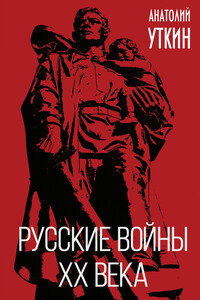
Анатолий Иванович Уткин (1944–2010) – крупнейший специалист в области новейшей истории. Его работы отличаются тщательностью проработки темы, научным подходом, большим количеством используемого фактического материала, в т. ч. иностранных источников. В своей фундаментальной книге, вызвавшей большой читательский интерес, А.И.Уткин скрупулезно исследовал проблемы, которые касаются влияния войн XX века на развитие России. Автор считает, что на протяжении двадцатого столетия неоднократно предпринимались попытки убрать Россию-СССР с политической арены мира как великую державу.
После Второй мировой войны передовые рубежи обороны СССР отодвинулись далеко на запад. Помимо военного значения, протекторат Советского Союза над Восточной Европой давал нашей стране и огромные экономические преимущества; не оставались внакладе и сами восточноевропейские страны — в рамках работы Совета экономической взаимопомощи они получали такие выгоды, о которых раньше не смели и мечтать.И вот в течение всего пяти лет, во второй половине 1980-х, СССР поспешно оставил свои позиции в Европе и пошел на беспрецедентные уступки США в области вооружений в этом регионе.
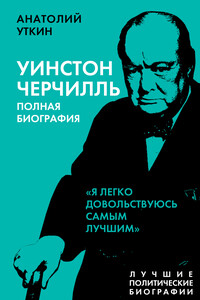
Полная биография Уинстона Черчилля, принадлежащая перу выдающегося российского историка А.И. Уткина, представляет собой яркое описание политической и частной жизни известного мирового лидера. Автору удается дать портрет не только своего героя, но и времени, в котором он жил, и в котором судьба России нередко была связана с политикой Черчилля. Несмотря на обилие фактического материала, книга очень легко читается: недаром она была признана в США лучшей иностранной биографией.
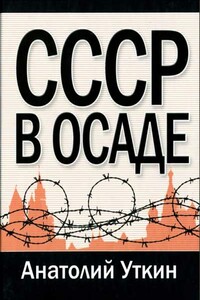
Анатолий Иванович Уткин (1944–2010) — крупнейший советский и российский историк и политолог, специалист в области международных отношений, признанный эксперт по внешней политике США, советник Комитета по международным делам Государственной Думы.В книге, представленной вашему вниманию, А.И. Уткин подробно описал беспрецедентную в истории политику Запада во второй половине XX века, направленную против советского и российского государства. Военное, экономическое и дипломатическое давление на нашу страну было настолько велико, что с полным правом можно говорить об «осаде СССР-России» Западом.
С точки зрения западного мира, Россия была хороша, сражаясь против Германии в фактическом одиночестве, защищая от нацистского варварства цивилизацию, но недостаточно привлекательна при обустройстве нового мира. В Восточной Европе американцы усмотрели опасность того, что они назвали советским экспансионизмом. Однако было ясно, что именно война окончательно и бесповоротно уничтожила традиционные восточно-европейские политические и экономические структуры, и ничто не могло изменить этот факт, ибо не Советский Союз, а лидеры «старого порядка» в Восточной Европе сделали данный коллапс неизбежным.
США явили миру феноменальный пример великой промышленной державы, но и страны, отмеченной страстью к «желтому дьяволу» и бездуховностью. Сегодня США действительно предстают сверхдержавой, навязывающей всему миру свой порядок, свое мироустройство, свою идеологию. Какое поведение выстраивать в этой ситуации России — вот в чем вопрос.
Самые громкие выстрелы звучат, когда происходят политические убийства. Некоторые из них меняют судьбы целых народов. В серии исторических очерков, объединённых под названием «Самые громкие выстрелы в истории и знаменитые террористы», известный журналист, международный обозреватель, телеведущий Леонид Млечин рассказывает о самых известных политических убийствах и терактах, унесших жизни значительных государственных и политических деятелей разных стран и повлиявших на ход дальнейшей истории.
Книга охватывает четыре столетия истории народа тверских карел – с момента переселения их в пределы Тверской области и до испытаний последних лет. Автор прослеживает непростую и временами трагическую жизнь карел Тверщины и старается найти ответы на актуальные вызовы времени. Проблемы языка, самоопределения и государственности как никогда остро стоят перед карельским народом, и от выбранных решений будет зависеть ни много ни мало сохранение этноса и будущее Тверской Карелии.
Монография современного австрийского историка Фердинанда Опля посвящена одной из самых известных личностей XII столетия и всего европейского Средневековья — правителю Священной Римской империи Фридриху I Барбароссе. Труд, первое издание которого было приурочено к 800-летней годовщине со дня смерти монарха, сочетает в себе яркое и подробное изложение биографии императора (первая часть книги) с комплексным описанием своеобразия его политической деятельности, взаимодействия с разными сословиями и институтами средневекового общества (второй раздел)
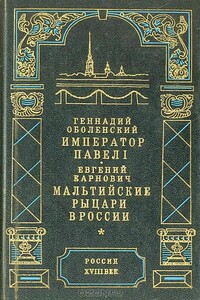
Роман Г. Оболенского рассказывает об эпохе Павла I. Читатель узнает, почему в нашей истории так упорно сохранялась легенда о недалеком, неумном, недальновидном царе и какой был на самом деле император Павел I.
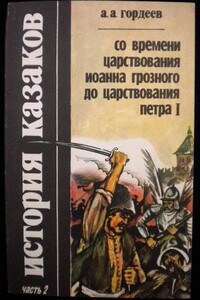
Автор - Андрей Андреевич Гордеев (1886-1977) - полковник Донского казачьего войска, в эмиграции с 1920 г.Первое издание в России обширного исторического труда Андрея Андреевича Гордеева (1886–1977), потомственного донского казака, офицера-фронтовика, полковника Донской белоказачьей армии, с 1920 г. жившего в эмиграции. Еще при жизни автора (1968) его живо и увлекательно написанное исследование, впервые опубликованное в Париже, стало заметным явлением в кругах эмиграции. Автор возводит происхождение казачества к взимавшейся Золотой Ордой с покоренной Руси «дани кровью» – «тамги».
Предсказывать будущее своей страны — неблагодарное дело. Очень сложно предугадать дальнейший ход событий и тем более на столько лет вперёд, поскольку необходимо учитывать множество параметров. Но можно быть уверенным только в одном: к 2050 г. Украина кардинально преобразится. Она либо распадётся, а её территории поглотят более сильные соседние государства, либо же выйдет из состояния депрессии и начнёт грандиозное шествие по миру. Третьего не дано. Учитывая современное состояние Украины, вероятность второго сценария невелика, но именно его осуществления панически боится как Европа, так и Россия.