Can You Speak Over the Telephone. Как вести беседу по телефону - [5]
III. Study the texts carefully and answer these questions.
1. What should you do if you want to make a call from your telephone?
2. What do you say when you answer the telephone?
3. What do you do when you make a call from a coin-box telephone?
4. How does a person make a call from an extension phone?
5. What should you do to get the best from STD?
6. What are the advantages of Subscriber Trunk Dialling?
7. How do people have to make their calls if the numbers they are calling are not on STD or ISD?
8. What information is to be given when a trunk-call is booked?
9. What trunk-calls can be booked?
10. In what case would you book a personal call?
11. Will you define an ADC call?
12. When do you think collect calls are accepted by subscribers?
13. What is the charge for a trunk-call based on?
14. What information can be obtained from a telephone directory?
II
TELEPHONE PHRASES
1. A: Hello!
B: May I speak to Mr Stock, please?
A: Speaking.
B: Good morning, Mr Stock. This is Surikov calling.
A: Good morning, Mr Surikov.
2. A: Hello.
B: Could I speak to Mr Ivanov?
A: Who’s calling, please?
B: This is Brown from the Foreign Office.
A: Thank you. I’m putting you through.
I: Ivanov speaking.
3. A: Soviet Embassy. Good morning.
B: Good morning. Could you put me through to Mr Sokolov?
A: Sorry. The line is engaged. Can you hold on?
B: All right. Thank you.
4. A: Five-seven-three; one-nine-oh-four.
B: Good evening. Can I speak to Mr Jones, please?
A: Sorry. Mr Jones is on the other line. Will you wait, please?
B: All right.
A: Sorry to have kept you waiting. I’m putting Mr Jones on the line.
B: Thank you.
5. A: Hello.
B: Hello. David Black speaking. May I have a word with Mr Ivanov?
A: I’ll see if he is in. (A minute later.) I’m afraid Mr Ivanov is out at the moment.
B: Could you take a message?
A: Yes, of course.
6. A: Hello. This is Petrov from the Soviet Trade Delegation. Could you put me through to Mr Russell, please?
B: Hold on a moment, please. Sorry. Mr Russell is not in now and he won’t be back until late this afternoon.
A: Would you ask him to call me when he gets back? B: Certainly.
7. A: Hello. May I speak to Mr Roberts?
B: Sorry, sir. Mr Roberts is not available. Is there any message?
A: No, thank you. I’ll call back later.
B: Right. Good-bye.
8. A: Hello. May I speak with Mr Black for a minute?
B: Hold the line, please.
A: Thank you.
B: Sorry. There is no reply at his number.
9. A: Foreign Office. Good afternoon. Can I help you?
B: Good afternoon. I’d like to speak to Mr Tate.
A: What extension, please?
B: I think it’s twenty three.
A: Thank you. (After a moment.) You are through.
10. A: Good morning.
B: Good morning. May I have extension thirty-two, please?
A: Busy. Will you hold on, please?
B: Yes. Thank you.
11. A: Good morning. May I speak to Mr Parsons?
B: Mr Who?
A: Parsons: P-a-r-s-o-n-s.
B: Oh, I see. Mr Parsons. I thought at first you said Marshall. Could you give me your name, please?
A: Yes, Stogov. S — for sugar, T — for Tommy, О — for orange, G — for George, О — for orange, V — for Victor.
B: Thank you, Mr Stogov. Trying to connect you.
12. A: Three-four-five; eight-double seven-nine.
B: Can I speak to Mr Scott?
A: I’m afraid you’ve got the wrong number.
B: Oh, sorry to have troubled you.
A: That’s all right.
13. A: Hello. I’d like to talk to Mr Smith.
B: I’m afraid you have the wrong number. What number were you calling?
A: I was calling 340-1907.
B: This is 340-1907. But there is no one by the name of Smith here. This is a private residence.
A: I’m sorry to have bothered you.
B: That’s quite all right.
14. A: I’m sorry. I can’t hear what you are saying. Could you speak up, please?
B: Hello, hello… Are you there?
A: Your voice is fading and there’s some background noise interfering. Hello, hello… (No reply.) Operator, we had a very bad connection and could scarcely hear each other. Then we were cut off completely. Could you help us?
Operator. Yes, sir. I’ll try to do something about it.
15. A: International. Good evening.
B: Good evening. I want to book a call to Moscow for 10 p.m. My name is Grachev.
A: Good. What number are you calling from?
B: It’s 843-1227.
A: What number do you want in Moscow?
B: 244-40-90.
A: Would you like to make it personal?
B: No. I just want a station-to-station call.
A: Thank you.
16. A: Number, please.
B: 437-8181. Can I have a personal call to Manchester 645-9302 with ADC, please?
A: Will it be on credit?
B: Yes, it will.
A: Who are you calling?
B: Mr Kapp.
A: Your number, please?
B: 01-193-4005.
17. A: I’m terribly sorry that you have been disconnected. I’ll try to connect you again. (After a moment.) There seems to be some interruption in our connection with Chicago. I’ll call you back as soon as there is another circuit open.
B: Will it take very long?
A: It’s hard to say. I’ll keep working on your call and ring you as soon as I have your party again. It shouldn’t be more than ten or fifteen minutes.
B: Thank you. I’ll wait for your call.
18. A: Hello. I’m wondering if you could help me. I’ve been dialling 340-1908 for the past hour but I can’t get through.
B: One moment, please. I’ll check the line. (After a moment.) You are through now, sir. Go ahead, please.
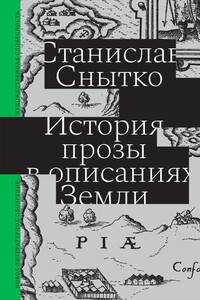
«Надо уезжать – но куда? Надо оставаться – но где найти место?» Мировые катаклизмы последних лет сформировали у многих из нас чувство реальной и трансцендентальной бездомности и заставили переосмыслить наше отношение к пространству и географии. Книга Станислава Снытко «История прозы в описаниях Земли» – художественное исследование новых временных и пространственных условий, хроника изоляции и одновременно попытка приоткрыть дверь в замкнутое сознание. Пристанищем одиночки, утратившего чувство дома, здесь становятся литература и история: он странствует через кроличьи норы в самой их ткани и примеряет на себя самый разный опыт.
В сборнике представлены теоретические сведения о семантической структуре слова, о структуре текста, о типах речи, подобраны упражнения для анализа текста, также образцы рецензий на фрагменты рассказов из КИМов ЕГЭ.
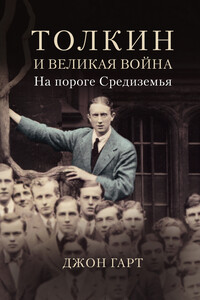
Книга Дж. Гарта «Толкин и Великая война» вдохновлена давней любовью автора к произведениям Дж. Р. Р. Толкина в сочетании с интересом к Первой мировой войне. Показывая становление Толкина как писателя и мифотворца, Гарт воспроизводит события исторической битвы на Сомме: кровопролитные сражения и жестокую повседневность войны, жертвой которой стало поколение Толкина и его ближайшие друзья – вдохновенные талантливые интеллектуалы, мечтавшие изменить мир. Автор использовал материалы из неизданных личных архивов, а также послужной список Толкина и другие уникальные документы военного времени.

В новой книге известного писателя Елены Первушиной на конкретных примерах показано, как развивался наш язык на протяжении XVIII, XIX и XX веков и какие изменения происходят в нем прямо сейчас. Являются ли эти изменения критическими? Приведут ли они к гибели русского языка? Автор попытается ответить на эти вопросы или по крайней мере дать читателям материал для размышлений, чтобы каждый смог найти собственный ответ.
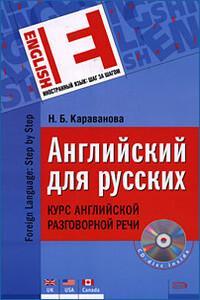
Предлагаемое издание – учебник нового, современного типа, базирующийся на последних разработках методики обучения языкам, максимально отвечающий потребностям современного общества.Его основная цель – научить свободно и правильно говорить на английском языке, понимать разговорную речь и ее нюансы.Отличительными чертами учебника являются:· коммуникативная методика подачи и закрепления материала;· перевод на английский язык лексики и диалогов учебника носителем языка;· грамматические комментарии, написанные на основе сопоставительного изучения языков и имеющие также коммуникативную направленность.Учебник предназначен для студентов, преподавателей, а также для всех, кто хочет научиться свободно общаться на английском языке.
Доклад С.Логинова был прочитан на заседании Семинара 13 декабря 1999 года, посвященном теме «Институт редакторов в современном литературном процессе»).От автора: статья написана на основе фактов, все приведённые имена и фамилии подлинные. Случайных оскорблений здесь нет.